-
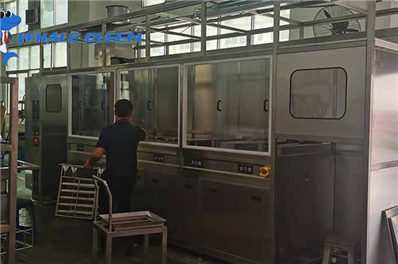 Upgraded version of blue whale Ultrasonic Parts Cleaners
First, the shape of the ultrasonic cleaning machine upgrade PC material: transparent, not ordinary plastic, non-toxic, high-temperature resistance, impact resistance. This will give us an insight into what's going on inside. Stainless steel: hi
-
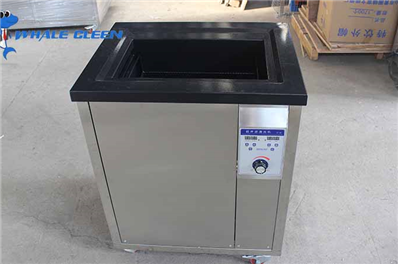 Selection of cleaning agent for industrial ultrasonic parts cleaner
With the improvement of industrial cleaning efficiency, the application of large industrial ultrasonic parts cleaner is becoming more and more widely used, and cleaning agents are an important factor affecting the ultrasonic cleaning effect. There are man
-
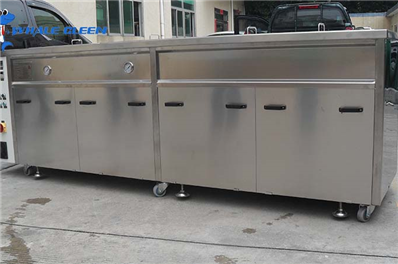 Ultrasonic Cleaning Machine for Blind Holes: How Whale Cleen Meets Strict Acceptance Standards
In precision manufacturing, the most difficult contamination is often the contamination you cannot see. Fine blind holes, narrow slots, threaded ports, and tight crevices can trap polishing dust, lapping residue, metal fines, and oil film. A part may look
-
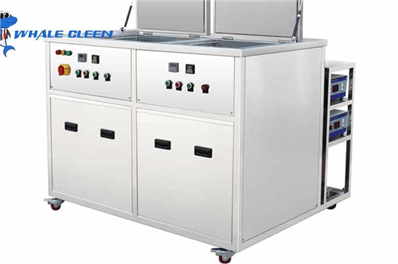 Stuck with Grinding Dust Embedded in Batch Workpiece Crevices? Manual Cleaning Is Draining Your Labor Budget and Driving Production Costs Through the Roof
Walk into any metalworking shop, stamping plant, or machining facility, and you will see the same scene repeated shift after shift: workers hunched over parts bins, scrubbing with brushes, picking at crevices with picks, blowing compressed air into blind
-
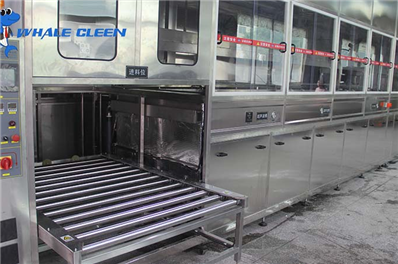 Can One Ultrasonic Cleaning Machine Really Solve Water Stain and Oxidation Problems on Die-Cast Parts?
Walk into any die-casting facility, and you will hear the same frustration from quality control inspectors and production managers alike. Aluminum die-cast parts emerge from the cleaning line looking perfectly clean—only to reveal white spots, cloudy patc
-
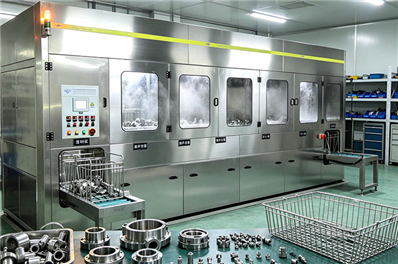 Industrial Ultrasonic Cleaning Machine: The Complete Solution for Manufacturing Precision Parts
In modern manufacturing, surface cleanliness is not merely an aesthetic consideration—it is a critical factor that directly impacts product performance, coating adhesion, and overall production yield. From automotive engine components and transmission par
-
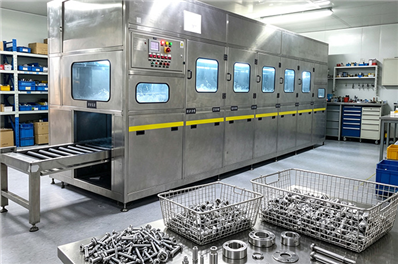 Ultrasonic vs. Electrolytic Ultrasonic Cleaning: What's the Real Difference in Metal Finishing Cleanliness?
In metal finishing and electroplating operations, cleanliness is not just a quality metric—it is the foundation upon which adhesion, corrosion resistance, and final product performance are built. A single speck of oil residue on a stamped metal part can c
-
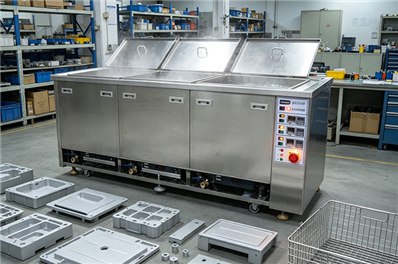 Ultrasonic Electrolytic Cleaning for Molds: Eliminate Gas Coke and Toner Residue That Causes Yellowing and Flow Marks
The Persistent Mold Contamination Problem In injection molding, the mold is the heart of production. But over time, even the best-maintained molds accumulate stubborn contaminants that no amount of wiping or solvent dipping can fully remove. Two of the
-
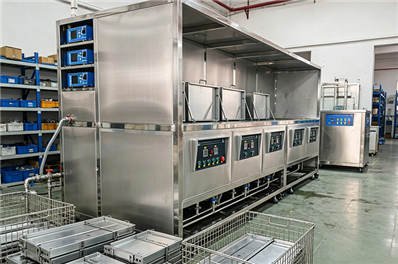 Ultrasonic Cleaning Machine: The Only Way to Eliminate Cutting Oil Sludge from Deep Grooves and Restore Plating Adhesion
For metal finishing shops and precision component manufacturers, few quality failures are as financially devastating as plating rejection caused by inadequate pre-cleaning.The scenario is painfully familiar. A batch of precision-machined components—hydrau
-
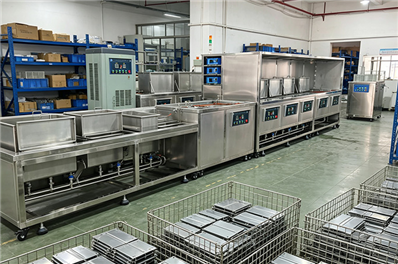 Ultrasonic Cleaning Machine: The Definitive Solution for Rust and Oil Contamination That Spray Cleaning Leaves Behind
In metal parts manufacturing and heavy equipment maintenance, few scenarios are as frustrating—and as costly—as the inspection failure that follows an inadequate cleaning process.The scenario plays out in workshops every day: a batch of precision metal co
-
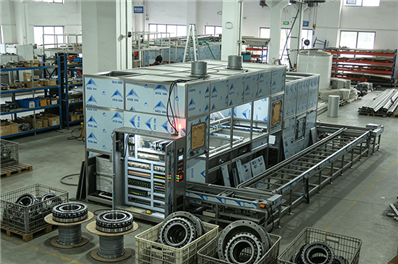 Ultrasonic Cleaning Machine: The Cost-Effective Solution for Mold Parts Cleaning
In the manufacturing industry, the cleaning of mold components—such as core pins, ejector pins, and intricate mold inserts—has long been a silent drain on production budgets. The costs are not limited to cleaning agents and labor; they extend to rejected
-
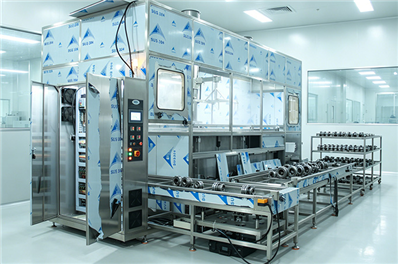 Thread Tap Residue Ruining Precision? How Ultrasonic Cleaning Eliminates Cutting Paste Without Damaging Thread Accuracy
In precision machining, few operations are as demanding as thread tapping. The cutting paste—a thick blend of lubricants, extreme-pressure additives, and fine abrasive particles—is essential for protecting taps and achieving clean thread profiles. But aft