-
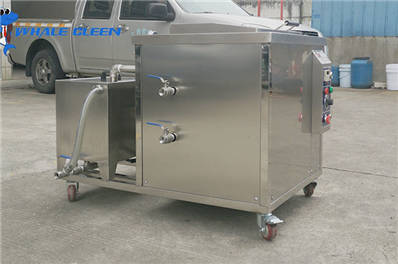 Cleaning Metal Lighters: Enhancing Ignition and Safety Performance with Ultrasonic Cleaning Machines
Metal lighters are popular devices used for igniting flames, but over time, they can accumulate fuel residue and dirt on both the surface and inside the mechanism. These contaminants can hinder proper ignition and compromise the safety performance of the
-
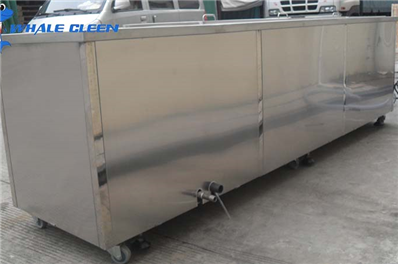 How do ultrasonic cleaners clean all kinds of workpieces for removing oil and wax? Why did you choose it?
How does the ultrasonic cleaning machine clean hardware except for oil and wax? This still has to start with the cavitation principle of ultrasonic cleaning, the ultrasonic cleaning machine produces thousands of bubbles in the ultrasonic cleaning work, in
-
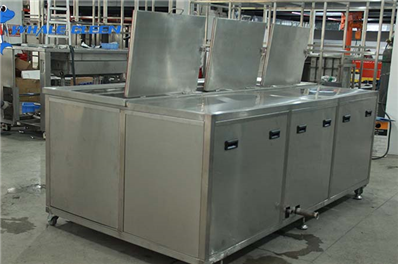 Oil removal effect and operation process of ultrasonic cleaning machine
Ultrasonic cleaning machine is a kind of cleaning craft, widely used in the hardware industry, cleaning effect is very clean. Generally used to remove oil, rust, Rust. For example, a large hardware parts manufacturer produces 3,000 hardware parts a day. M
-
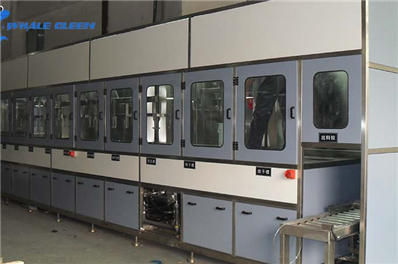 Classification of the ultrasonic cleansing slot. The oil removal effect of ultrasonic cleaning machine.
The cleaning trough in the ultrasonic cleaning machine is one of the important parts of the ultrasonic cleaning machine. On the one hand, the tank is a container for cleaning fluid, on the other hand, it is an indispensable medium for the Ultrasonic trans
-
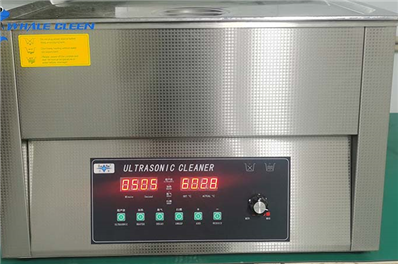 Advantages and application scenarios of small ultrasonic cleaning machine
As the saying goes, small has small benefits, big has big advantages, then, the advantages of a small ultrasonic cleaning machine and the main application of what is it? Small ultrasonic cleaning machine main application scene because of small ultrasonic
-
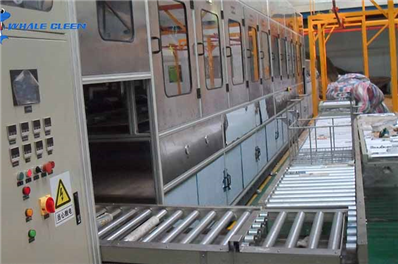 Can an ultrasonic cleaning machine remove oil dirt? What is the effect?
Can an ultrasonic cleaning machine remove oil stains? The answer is naturally can, want to know the main function of ultrasonic cleaning machine is to remove oil and dirt. The principle of ultrasonic oil removal: industrial ultrasonic cleaning mach
-
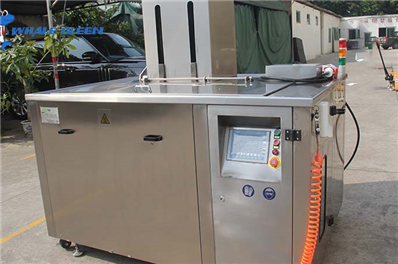 How Ultrasonic Cleaning Reaches the Thread Roots of Micro-Fasteners for Deep Chip and Oil Removal
In precision manufacturing, few challenges are as persistent—or as costly—as cleaning micro-fasteners. Screws, bolts, and threaded inserts with diameters under M2 feature intricate geometries: narrow thread valleys, blind holes, and sharp internal corners
-
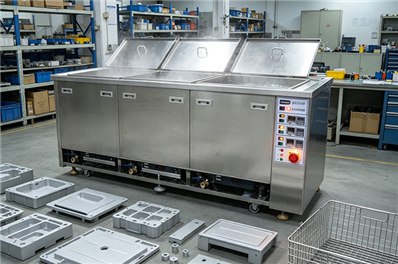 Ultrasonic Electrolytic Cleaning for Molds: Eliminate Gas Coke and Toner Residue That Causes Yellowing and Flow Marks
The Persistent Mold Contamination Problem In injection molding, the mold is the heart of production. But over time, even the best-maintained molds accumulate stubborn contaminants that no amount of wiping or solvent dipping can fully remove. Two of the
-
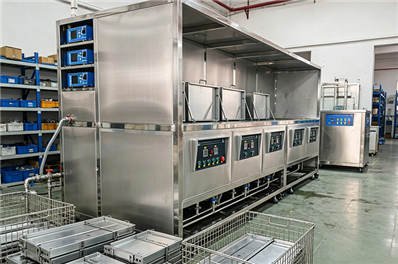 Ultrasonic Cleaning Machine: The Only Way to Eliminate Cutting Oil Sludge from Deep Grooves and Restore Plating Adhesion
For metal finishing shops and precision component manufacturers, few quality failures are as financially devastating as plating rejection caused by inadequate pre-cleaning.The scenario is painfully familiar. A batch of precision-machined components—hydrau
-
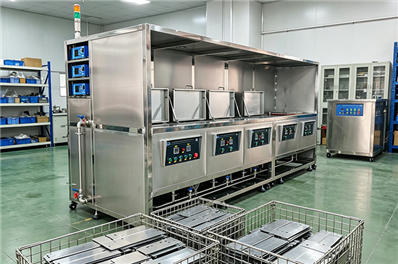 Ultrasonic Cleaning Machine: Breaking the Production Bottleneck When Piles of Oily, Chip-Covered Parts Stall Your Shop Floor
Walk into almost any machining workshop, and you will see the same scene: pallets stacked high with freshly machined parts, their surfaces glistening with cutting oil and clinging to metal chips, grinding dust, and microscopic debris. The parts are ready
-
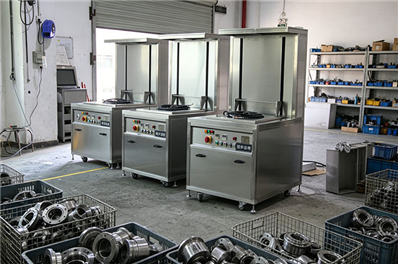 From Dirty to Spotless: How Long Does Ultrasonic Automatic Cleaning Take for a Multilayer PCB?
Walk onto the floor of any PCB assembly shop, and you will see it: boards fresh off the soldering line, covered in flux residues, ionic contaminants, and microscopic debris. The clock is ticking. Production schedules depend on getting these boards clean—f
-
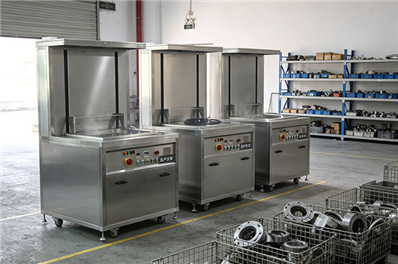 PCB Water Spots and White Residue After Cleaning? This Automated Ultrasonic Cleaner Saved Our Yield
For electronics manufacturers, few things are more frustrating than watching a batch of perfectly assembled PCBs emerge from the cleaning line covered in unsightly water spots and chalky white residues. The boards looked flawless before cleaning. Now they