-
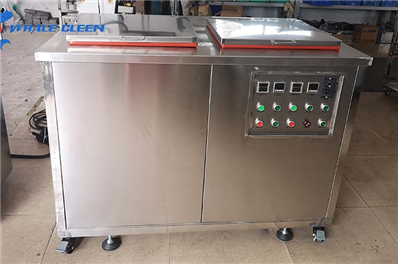 Ultrasonic Cleaning Machine for Batch Sensor Housings: How Whale cleen Prevents Scratches
Batch cleaning sensor housings is one of the most demanding tasks in precision manufacturing. These components often feature machined surfaces, threaded ports, blind holes, and tight tolerances. Contaminants such as cutting oil, metal fines, polishing res
-
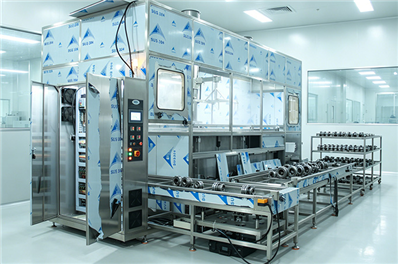 Thread Tap Residue Ruining Precision? How Ultrasonic Cleaning Eliminates Cutting Paste Without Damaging Thread Accuracy
In precision machining, few operations are as demanding as thread tapping. The cutting paste—a thick blend of lubricants, extreme-pressure additives, and fine abrasive particles—is essential for protecting taps and achieving clean thread profiles. But aft
-
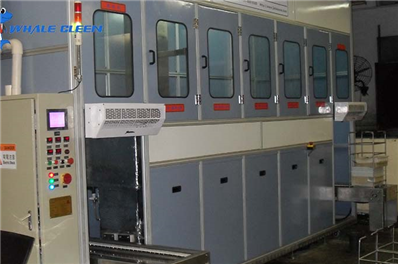 Ultrasonic Cleaning Machine: Solving the Micro-Hole Contamination Challenge in Sensor Housings
In automotive, aerospace, industrial automation, and electronics manufacturing, sensor housings are everywhere. These components often feature micro-holes, blind holes, internal channels, and threaded ports. During machining, stamping, molding, or assembl
-
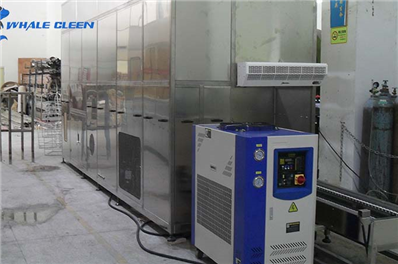 How to Remove Grinding Dust from Blind Holes and Gaps: Industrial Ultrasonic Cleaning Practical Guide
Grinding, deburring, and polishing operations leave fine dust that is easy to see on open surfaces and almost impossible to remove from blind holes and narrow gaps. Compressed air blows some dust out but pushes the rest deeper. Brushes cannot reach the bo
-
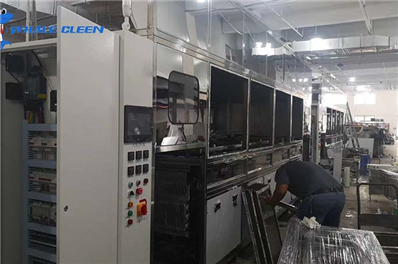 Ultrasonic Cleaning Machine: How to Remove Thick Oxide Scale Without Acid Pickling
Thick oxide scale is one of the most stubborn contaminants in industrial parts cleaning. It forms on steel, castings, forgings, and welded components after heat treatment, hot rolling, or high-temperature processing. In many plants, the default solution i
-
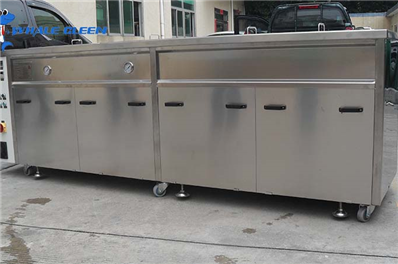 Ultrasonic Cleaning Machine for Blind Holes: How Whale Cleen Meets Strict Acceptance Standards
In precision manufacturing, the most difficult contamination is often the contamination you cannot see. Fine blind holes, narrow slots, threaded ports, and tight crevices can trap polishing dust, lapping residue, metal fines, and oil film. A part may look
-
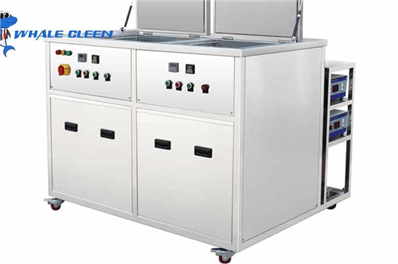 Stuck with Grinding Dust Embedded in Batch Workpiece Crevices? Manual Cleaning Is Draining Your Labor Budget and Driving Production Costs Through the Roof
Walk into any metalworking shop, stamping plant, or machining facility, and you will see the same scene repeated shift after shift: workers hunched over parts bins, scrubbing with brushes, picking at crevices with picks, blowing compressed air into blind
-
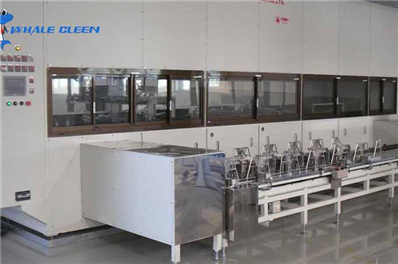 Same Ultrasonic Cleaning, Why Are Some Aerospace Fastener Yield Rates So Much Higher?
In aerospace manufacturing, few quality metrics are as unforgiving as fastener cleanliness. A single micro-fastener — a titanium alloy bolt, a high-strength steel screw, a threaded insert — can carry cutting fluids, lapping compounds, or microscopic metal
-
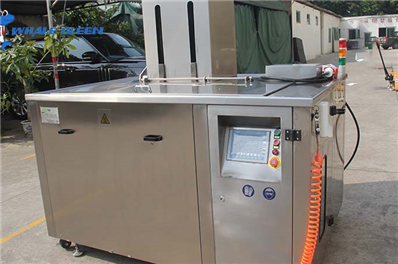 How Ultrasonic Cleaning Reaches the Thread Roots of Micro-Fasteners for Deep Chip and Oil Removal
In precision manufacturing, few challenges are as persistent—or as costly—as cleaning micro-fasteners. Screws, bolts, and threaded inserts with diameters under M2 feature intricate geometries: narrow thread valleys, blind holes, and sharp internal corners
-
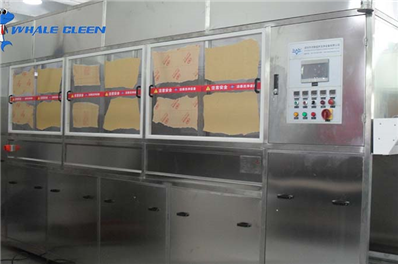 Ultrasonic Cleaning Machine: Solving the Batch Cleanliness Inconsistency Crisis in Aerospace Fastener Manufacturing
In aerospace manufacturing, a single contaminated fastener can compromise an entire assembly. Threaded surfaces trap machining oils, metal chips, and microscopic particulates that, if not completely removed, directly affect torque values, joint integrity,
-
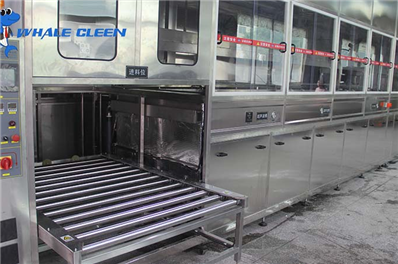 Can One Ultrasonic Cleaning Machine Really Solve Water Stain and Oxidation Problems on Die-Cast Parts?
Walk into any die-casting facility, and you will hear the same frustration from quality control inspectors and production managers alike. Aluminum die-cast parts emerge from the cleaning line looking perfectly clean—only to reveal white spots, cloudy patc
-
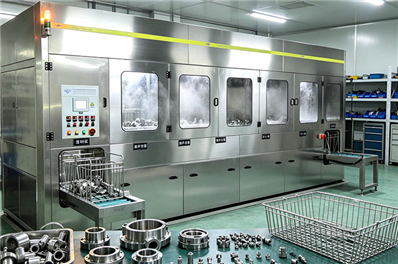 Industrial Ultrasonic Cleaning Machine: The Complete Solution for Manufacturing Precision Parts
In modern manufacturing, surface cleanliness is not merely an aesthetic consideration—it is a critical factor that directly impacts product performance, coating adhesion, and overall production yield. From automotive engine components and transmission par