-
 Enhancing Metal Surface Treatment with Ultrasonic Cleaning: A Comprehensive Overview
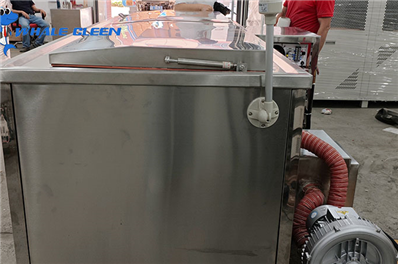
Ultrasonic cleaning has emerged as a vital technology in various industrial applications, particularly in metal surface treatment. The process uses high-frequency ultrasonic waves to remove contaminants from metal surfaces, significantly improving the eff
-
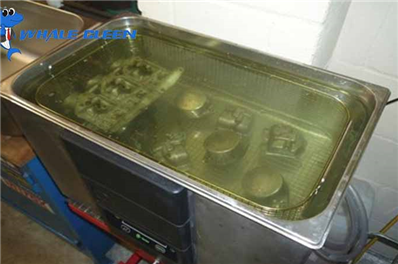 Application example of ultrasonic water bath
Ultrasonic cleaning machine has been widely used in metal surface treatment, they can greatly improve product quality, improve production efficiency, reduce labor intensity, and reduce environmental pollution. It is also widely used in the field of electr
-
 Ultrasonic Cleaning Machines: A Revolutionary Tool in Metalworking
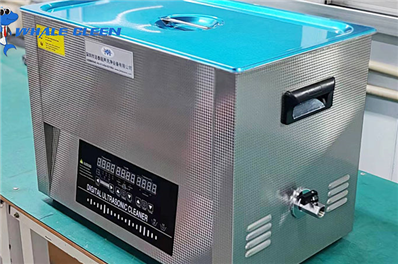
Metalworking is a key pillar of numerous industries, including automotive, aerospace, manufacturing, and engineering. Within this domain, maintaining the cleanliness of metal parts is essential to ensure product quality, longevity, and functional efficien
-
 Enhanced Cleaning Efficacy of Ultrasonic Cleaning Machines for Metal Signage
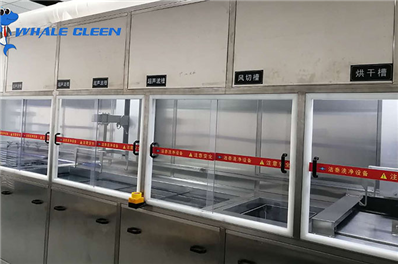
Ultrasonic cleaning machines have demonstrated exceptional efficacy in the cleaning of metal signage. Metal signs, often utilized for identification, information dissemination, and brand representation, necessitate consistent surface cleanliness for maint
-
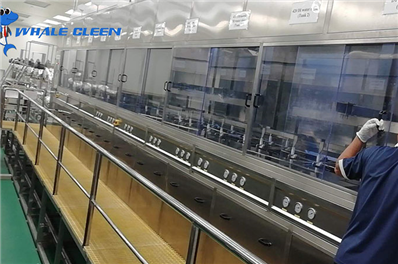 Ultrasonic Cleaning for Rapid Revitalization of Metal Components: A Professional Perspective
In the realm of industrial manufacturing, metal components play a crucial role in various machinery and equipment. However, over time, these components tend to accumulate dirt, grease, and rust, which diminish their performance and lifespan. Ultrasonic cl
-
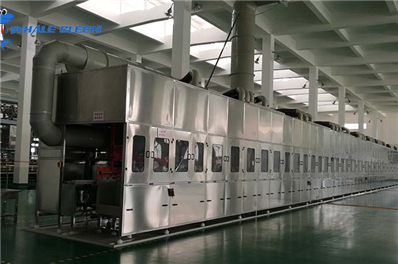 Ultrasonic Cleaning Machine Solves High-Volume Mold Release Oil and Oxidation Scale Cleaning
Manual wiping consumes labor hours, and when facing large batches of workpieces with mold release oil and oxidation scale, it quickly becomes overwhelming. In die-casting, forging, stamping, and machining operations, parts often leave production with a co
-
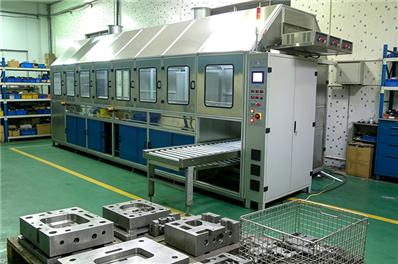 No Harsh Chemicals? How to Achieve Micron-Level Cleanliness for Nickel-Plated Substrates
You've dialed in the nickel plating bath chemistry. The temperature is right, the current density is optimized, and the dwell time is precisely controlled. Yet the plating still blisters. The cross-hatch test fails. The adhesion just isn't there.T
-
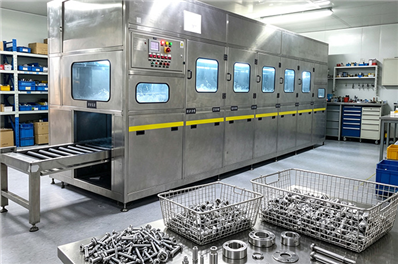 Ultrasonic vs. Electrolytic Ultrasonic Cleaning: What's the Real Difference in Metal Finishing Cleanliness?
In metal finishing and electroplating operations, cleanliness is not just a quality metric—it is the foundation upon which adhesion, corrosion resistance, and final product performance are built. A single speck of oil residue on a stamped metal part can c
-
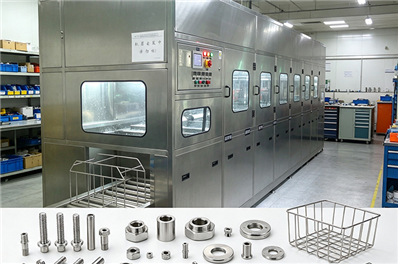 Ultrasonic Cleaning Machine: Why Disassemble Molds When You Can Clean Carbon Deposits in Minutes?
In industrial manufacturing, few maintenance tasks are as time-consuming and costly as mold cleaning. Production managers know the drill all too well: shutdown the line, wait for the mold to cool, disassemble every component, scrub stubborn carbon deposit
-
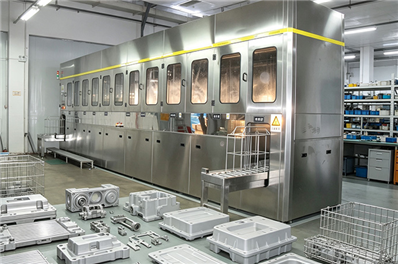 How Many Types of Electroplating Hardware Blanks Can One Ultrasonic Cleaning Machine Handle?
Walk into any hardware electroplating facility, and you will see a staggering variety of workpieces moving through the production line. Stamped brackets, machined housings, threaded fasteners, die-cast components, precision turned parts—each with its own
-
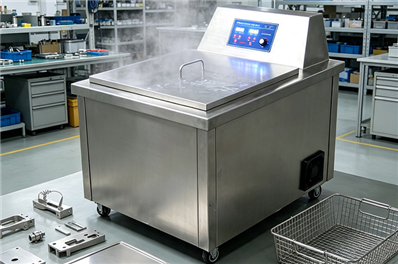 Ultrasonic Cleaning Machine: How Powerful Is It Really? A Shocking Test in Hardware Electroplating Pretreatment
If you have ever walked through a hardware electroplating line, you have seen the frustration firsthand. Parts come out of the bath with patches of peeling plating. Edges look dull. Blind holes show signs of uneven coverage. The plating bath chemistry is
-
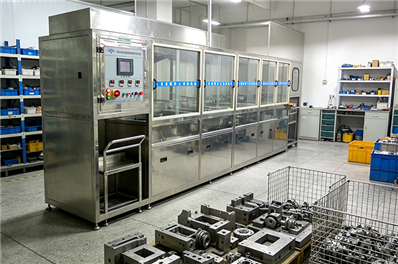 One Ultrasonic Machine, Three Critical Cleaning Tasks – Can It Really Handle Silicon Material, Solar Cells, and Terminal Blocks in One Go?
In photovoltaic manufacturing, semiconductor fabrication, and electronic component production, cleaning is never a single-step affair. Different materials, different contaminants, and different surface sensitivities demand different approaches – or so the