-
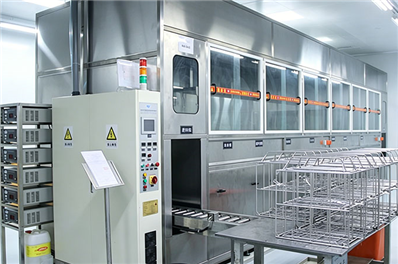 Precision Bearings Prone to Chipping and Scratching? Automated Ultrasonic Cleaning Machine Avoids Component Damage
Precision bearings are the lifeblood of modern mechanical transmission systems—from automotive drivetrains and high-speed machining spindles to aerospace actuators and industrial gearboxes. Yet, in countless workshops and production lines, the delicate ta
-
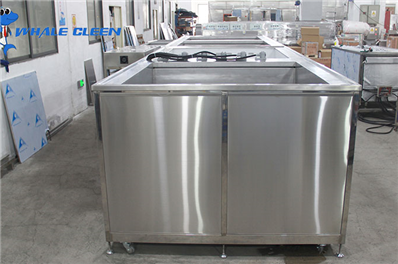 Industrial Ultrasonic Cleaning Machine: The Complete Solution for Stubborn Oil and Carbon Deposit Removal on Gears and Bearings
In the machinery manufacturing and heavy equipment maintenance sectors, few maintenance tasks are as persistently frustrating as cleaning gears and bearings. These precision components—the “skeleton and joints” of mechanical transmission systems—are routi
-
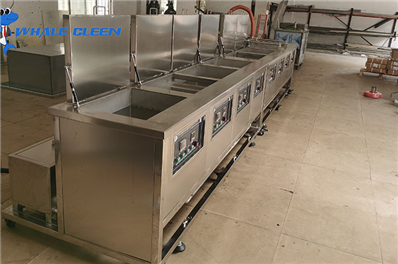 Enhancing Industrial Maintenance: Ultrasonic Bearing Cleaning Machines
Ultrasonic bearing cleaning machines are specialized equipment designed for the thorough cleaning of bearings and their components using ultrasonic cleaning technology. Bearings are crucial mechanical components commonly found in various industrial applic
-
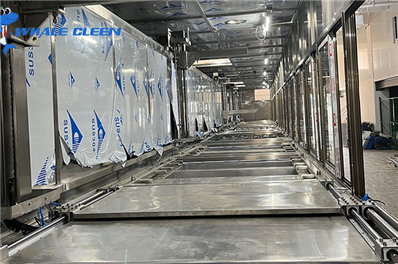 Determining Optimal Power Levels for Bearing Ultrasonic Cleaning Machines
Determining the appropriate power for a bearing ultrasonic cleaning machine requires a comprehensive understanding of various factors including the size and material of the bearings, the level of contamination, the properties of the cleaning solution, and
-
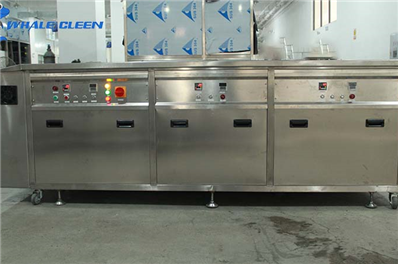 The characteristics and price of automatic ultrasonic cleaning machine and points for attention
An automatic ultrasonic cleaning machine is mainly used for auto parts, compressor parts, gears, and bearings before processing and assembly cleaning. It will replace traditional manual cleaning, cleaning, and oil cleaning, it has been widely used in elec
-
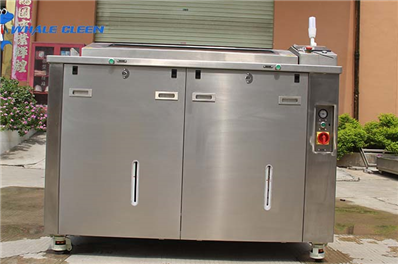 Bearing ultrasonic cleaning machine
Bearing ultrasonic cleaning machine is a kind of ultrasonic cleaning equipment used to clean bearings. With the increasing degree of mechanization, the use of bearings has been quite common, and the cleanliness of bearings has been more and more concerned
-
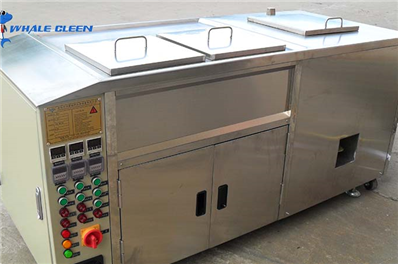 How to clean the hardware chain with ultrasonic cleaning machine
In our hardware parts, there is a very heavy very complex workpiece, such as bearings, gears, gaskets, chains, and so on, in which the degree of complexity of the chain is first. The chain, on the other hand, acts as a central nervous system transport for
-
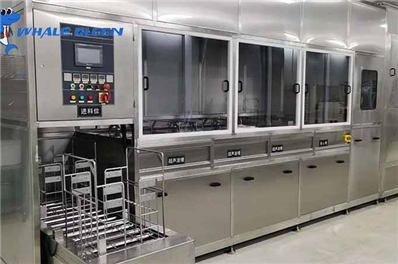 Fully Automatic Ultrasonic Cleaning Machine For Metal Parts-Blue whale ultrasonic cleaner tank
The whole process of an automatic ultrasonic cleaning machine is mechanical automatic. It applies to plating parts, vacuum plating parts, locks, motor parts, bearings, die ware, stainless steel tableware, compressors, clock parts, precision textile equipm
-
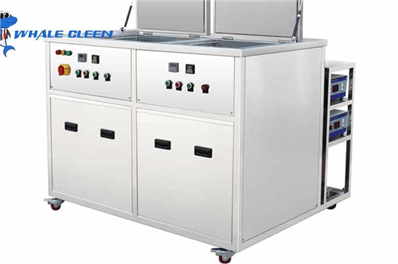 Stuck with Grinding Dust Embedded in Batch Workpiece Crevices? Manual Cleaning Is Draining Your Labor Budget and Driving Production Costs Through the Roof
Walk into any metalworking shop, stamping plant, or machining facility, and you will see the same scene repeated shift after shift: workers hunched over parts bins, scrubbing with brushes, picking at crevices with picks, blowing compressed air into blind
-
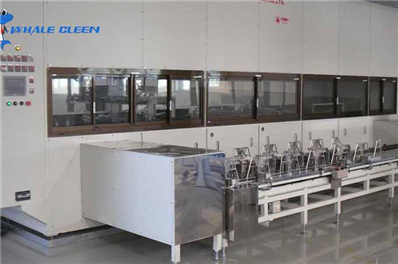 Same Ultrasonic Cleaning, Why Are Some Aerospace Fastener Yield Rates So Much Higher?
In aerospace manufacturing, few quality metrics are as unforgiving as fastener cleanliness. A single micro-fastener — a titanium alloy bolt, a high-strength steel screw, a threaded insert — can carry cutting fluids, lapping compounds, or microscopic metal
-
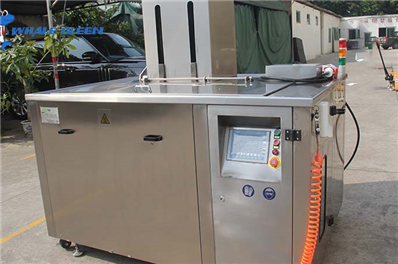 How Ultrasonic Cleaning Reaches the Thread Roots of Micro-Fasteners for Deep Chip and Oil Removal
In precision manufacturing, few challenges are as persistent—or as costly—as cleaning micro-fasteners. Screws, bolts, and threaded inserts with diameters under M2 feature intricate geometries: narrow thread valleys, blind holes, and sharp internal corners
-
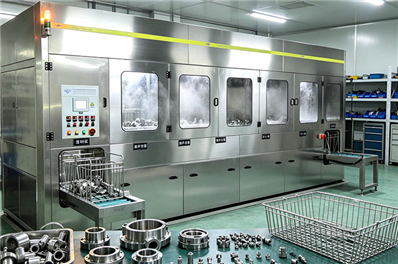 Industrial Ultrasonic Cleaning Machine: The Complete Solution for Manufacturing Precision Parts
In modern manufacturing, surface cleanliness is not merely an aesthetic consideration—it is a critical factor that directly impacts product performance, coating adhesion, and overall production yield. From automotive engine components and transmission par