-
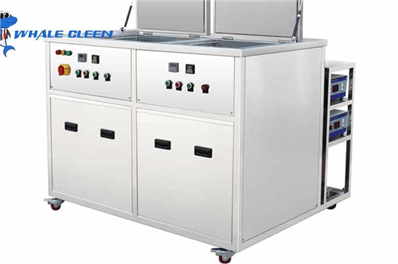 Stuck with Grinding Dust Embedded in Batch Workpiece Crevices? Manual Cleaning Is Draining Your Labor Budget and Driving Production Costs Through the Roof
Walk into any metalworking shop, stamping plant, or machining facility, and you will see the same scene repeated shift after shift: workers hunched over parts bins, scrubbing with brushes, picking at crevices with picks, blowing compressed air into blind
-
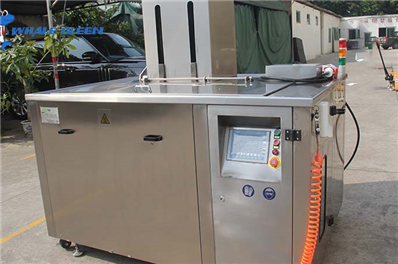 How Ultrasonic Cleaning Reaches the Thread Roots of Micro-Fasteners for Deep Chip and Oil Removal
In precision manufacturing, few challenges are as persistent—or as costly—as cleaning micro-fasteners. Screws, bolts, and threaded inserts with diameters under M2 feature intricate geometries: narrow thread valleys, blind holes, and sharp internal corners
-
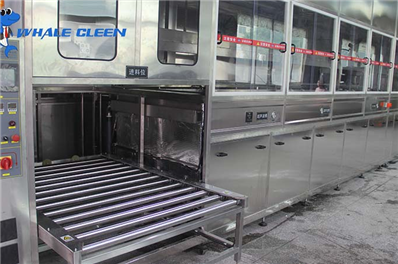 Can One Ultrasonic Cleaning Machine Really Solve Water Stain and Oxidation Problems on Die-Cast Parts?
Walk into any die-casting facility, and you will hear the same frustration from quality control inspectors and production managers alike. Aluminum die-cast parts emerge from the cleaning line looking perfectly clean—only to reveal white spots, cloudy patc
-
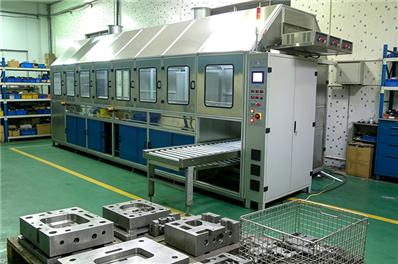 No Harsh Chemicals? How to Achieve Micron-Level Cleanliness for Nickel-Plated Substrates
You've dialed in the nickel plating bath chemistry. The temperature is right, the current density is optimized, and the dwell time is precisely controlled. Yet the plating still blisters. The cross-hatch test fails. The adhesion just isn't there.T
-
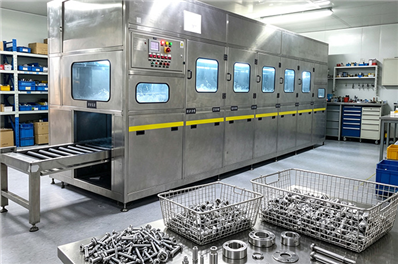 Ultrasonic vs. Electrolytic Ultrasonic Cleaning: What's the Real Difference in Metal Finishing Cleanliness?
In metal finishing and electroplating operations, cleanliness is not just a quality metric—it is the foundation upon which adhesion, corrosion resistance, and final product performance are built. A single speck of oil residue on a stamped metal part can c
-
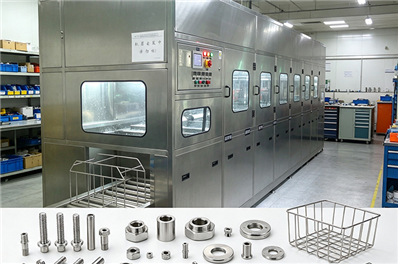 Ultrasonic Cleaning Machine: Why Disassemble Molds When You Can Clean Carbon Deposits in Minutes?
In industrial manufacturing, few maintenance tasks are as time-consuming and costly as mold cleaning. Production managers know the drill all too well: shutdown the line, wait for the mold to cool, disassemble every component, scrub stubborn carbon deposit
-
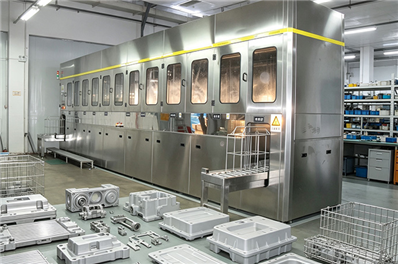 How Many Types of Electroplating Hardware Blanks Can One Ultrasonic Cleaning Machine Handle?
Walk into any hardware electroplating facility, and you will see a staggering variety of workpieces moving through the production line. Stamped brackets, machined housings, threaded fasteners, die-cast components, precision turned parts—each with its own
-
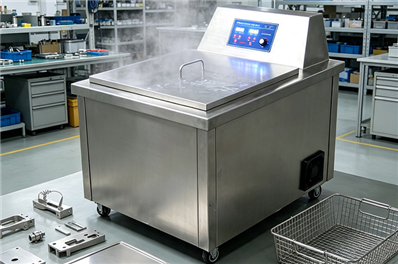 Ultrasonic Cleaning Machine: How Powerful Is It Really? A Shocking Test in Hardware Electroplating Pretreatment
If you have ever walked through a hardware electroplating line, you have seen the frustration firsthand. Parts come out of the bath with patches of peeling plating. Edges look dull. Blind holes show signs of uneven coverage. The plating bath chemistry is
-
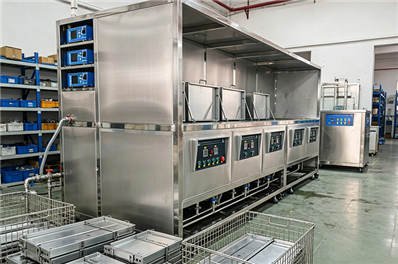 Ultrasonic Cleaning Machine: The Only Way to Eliminate Cutting Oil Sludge from Deep Grooves and Restore Plating Adhesion
For metal finishing shops and precision component manufacturers, few quality failures are as financially devastating as plating rejection caused by inadequate pre-cleaning.The scenario is painfully familiar. A batch of precision-machined components—hydrau
-
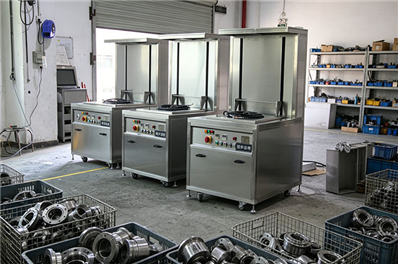 From Dirty to Spotless: How Long Does Ultrasonic Automatic Cleaning Take for a Multilayer PCB?
Walk onto the floor of any PCB assembly shop, and you will see it: boards fresh off the soldering line, covered in flux residues, ionic contaminants, and microscopic debris. The clock is ticking. Production schedules depend on getting these boards clean—f
-
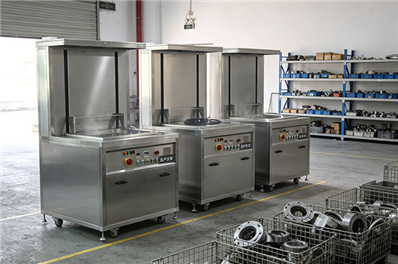 PCB Water Spots and White Residue After Cleaning? This Automated Ultrasonic Cleaner Saved Our Yield
For electronics manufacturers, few things are more frustrating than watching a batch of perfectly assembled PCBs emerge from the cleaning line covered in unsightly water spots and chalky white residues. The boards looked flawless before cleaning. Now they
-
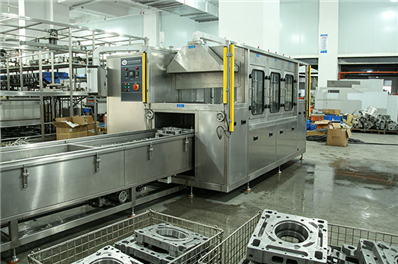 FPC Flexible Board Easily Damaged by Manual Cleaning? Finally, a Solution for High-Volume Degreasing
In electronics manufacturing, few components are as delicate—and as critical—as Flexible Printed Circuits (FPCs). Thin as paper, with trace widths often below 0.03mm, FPCs are the backbone of smartphones, wearables, tablets, and countless other compact de