-
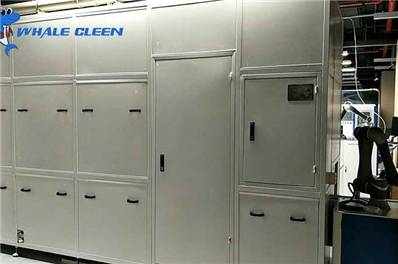 The Cost Trap: Why Your Ultrasonic Cleaning Machine Investment May Be Backward
Why do some manufacturers spend $30,000 on equipment and only $3,000 on maintenance over its lifetime—while you seem to have spent the opposite?If this scenario sounds painfully familiar, you are not alone. Many industrial buyers fall into a common trap:
-
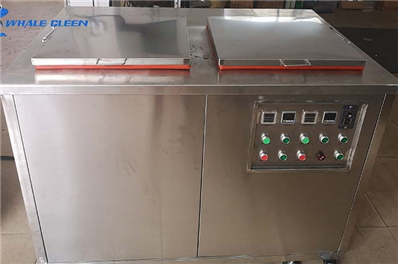 Stubborn Oil in Blind Holes & Microholes? Try Ultrasonic Cleaners for Degreasing and Descaling Before Electroplating
Conclusion: Blind-hole oil is hard to remove mostly because liquid cannot enter and residue cannot drain out, not because the oil itself is difficult to stripFor blind hole cleaning, degreasing and oxide removal should be separated into two sequential sta
-
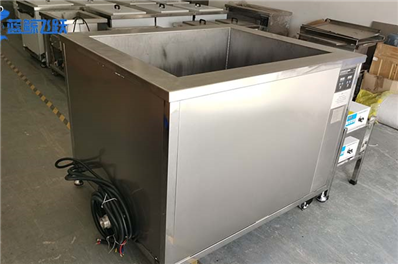 Industrial Ultrasonic Cleaning Machine: Reliable Precision Cleaning Solution from Whale Cleen
Facing stubborn machining coolant residue and precision part damage from traditional washing? Many manufacturers still rely on manual scrubbing or high-pressure spray to remove cutting oil, coolant residue and fine metal chips. These old methods struggle
-
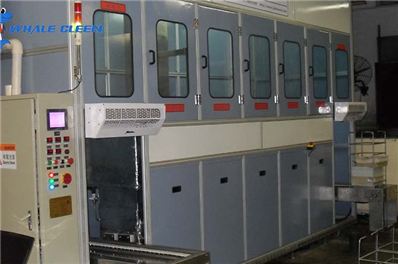 Ultrasonic Cleaning Machine: Solving the Micro-Hole Contamination Challenge in Sensor Housings
In automotive, aerospace, industrial automation, and electronics manufacturing, sensor housings are everywhere. These components often feature micro-holes, blind holes, internal channels, and threaded ports. During machining, stamping, molding, or assembl
-
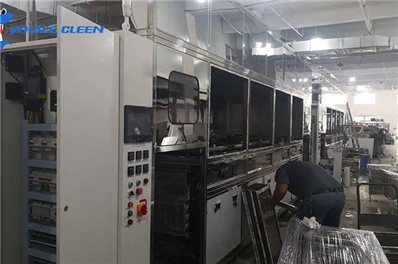 Ultrasonic Cleaning Machine: How to Remove Thick Oxide Scale Without Acid Pickling
Thick oxide scale is one of the most stubborn contaminants in industrial parts cleaning. It forms on steel, castings, forgings, and welded components after heat treatment, hot rolling, or high-temperature processing. In many plants, the default solution i
-
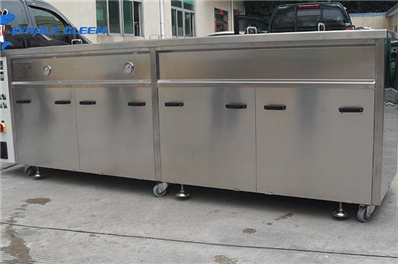 Ultrasonic Cleaning Machine for Blind Holes: How Whale Cleen Meets Strict Acceptance Standards
In precision manufacturing, the most difficult contamination is often the contamination you cannot see. Fine blind holes, narrow slots, threaded ports, and tight crevices can trap polishing dust, lapping residue, metal fines, and oil film. A part may look
-
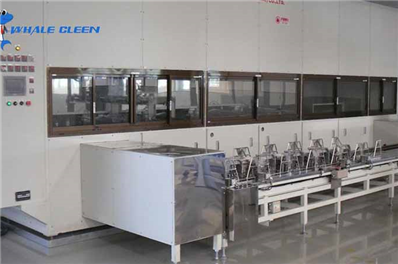 Same Ultrasonic Cleaning, Why Are Some Aerospace Fastener Yield Rates So Much Higher?
In aerospace manufacturing, few quality metrics are as unforgiving as fastener cleanliness. A single micro-fastener — a titanium alloy bolt, a high-strength steel screw, a threaded insert — can carry cutting fluids, lapping compounds, or microscopic metal
-
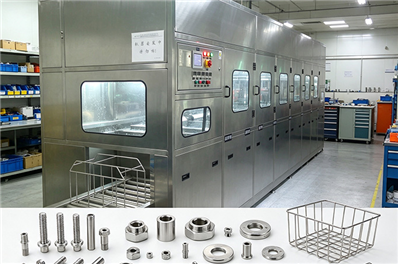 Ultrasonic Cleaning Machine: Why Disassemble Molds When You Can Clean Carbon Deposits in Minutes?
In industrial manufacturing, few maintenance tasks are as time-consuming and costly as mold cleaning. Production managers know the drill all too well: shutdown the line, wait for the mold to cool, disassemble every component, scrub stubborn carbon deposit
-
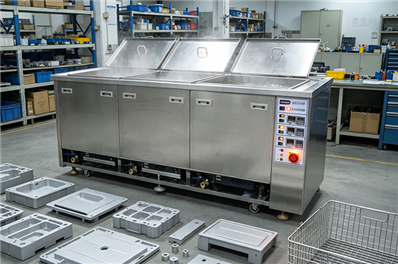 Ultrasonic Electrolytic Cleaning for Molds: Eliminate Gas Coke and Toner Residue That Causes Yellowing and Flow Marks
The Persistent Mold Contamination Problem In injection molding, the mold is the heart of production. But over time, even the best-maintained molds accumulate stubborn contaminants that no amount of wiping or solvent dipping can fully remove. Two of the
-
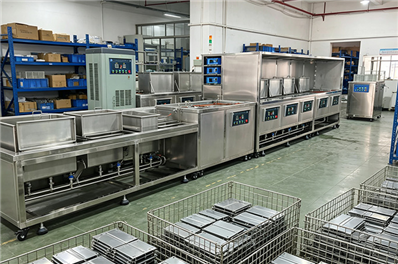 Ultrasonic Cleaning Machine: The Definitive Solution for Rust and Oil Contamination That Spray Cleaning Leaves Behind
In metal parts manufacturing and heavy equipment maintenance, few scenarios are as frustrating—and as costly—as the inspection failure that follows an inadequate cleaning process.The scenario plays out in workshops every day: a batch of precision metal co
-
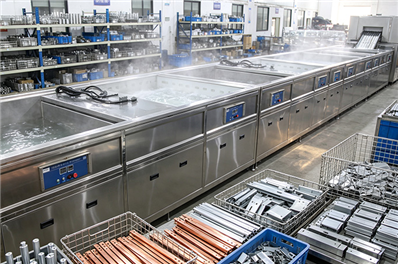 How to Select an Ultrasonic Cleaning Machine for Engine Cylinder Blocks
In heavy-duty equipment repair and engine remanufacturing, the cleaning of cylinder blocks is a critical and demanding task. These large, complex cast-iron or steel components contain intricate networks of oil galleries, water jackets, blind holes, and pr
-
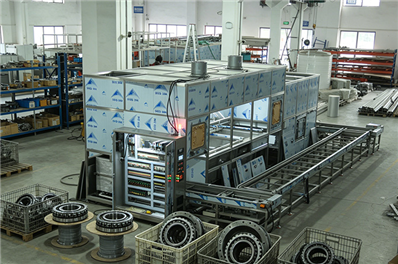 Ultrasonic Cleaning Machine: The Cost-Effective Solution for Mold Parts Cleaning
In the manufacturing industry, the cleaning of mold components—such as core pins, ejector pins, and intricate mold inserts—has long been a silent drain on production budgets. The costs are not limited to cleaning agents and labor; they extend to rejected