-
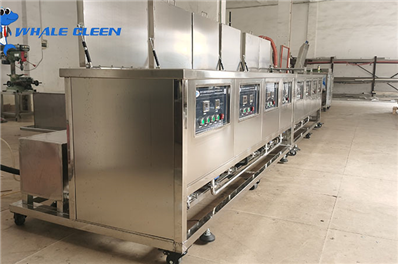 Methods for Evaluating the Cleaning Effect of Ultrasonic Cleaning Equipment
As a type of cleaning equipment that utilizes high-frequency sound waves to generate strongeddy currentsandimpact force,ultrasonic cleaning equipmenthas been widely used in various fields, such as automotive maintenance,mechanical processing, electronic c
-
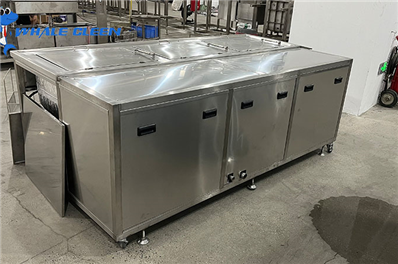 Ultrasonic Cleaning Equipment: The Efficient Tool for Cleaning Electronic Components
The rapid advancement in electronics has necessitated stringent cleanliness standards for electronic components. Dust, flux residues, and other contaminants can severely affect the performance and longevity of these components. Traditional cleaning method
-
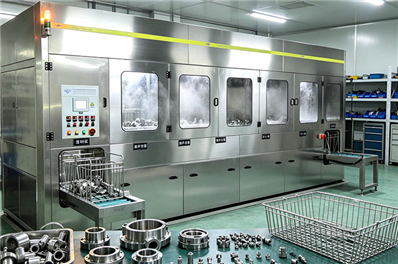 Industrial Ultrasonic Cleaning Machine: The Complete Solution for Manufacturing Precision Parts
In modern manufacturing, surface cleanliness is not merely an aesthetic consideration—it is a critical factor that directly impacts product performance, coating adhesion, and overall production yield. From automotive engine components and transmission par
-
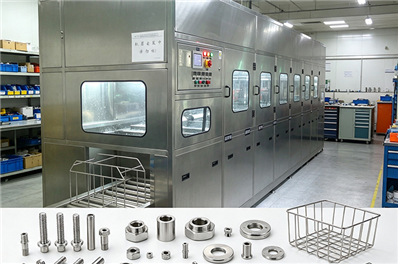 Ultrasonic Cleaning Machine: Why Disassemble Molds When You Can Clean Carbon Deposits in Minutes?
In industrial manufacturing, few maintenance tasks are as time-consuming and costly as mold cleaning. Production managers know the drill all too well: shutdown the line, wait for the mold to cool, disassemble every component, scrub stubborn carbon deposit
-
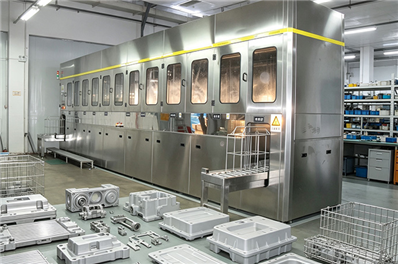 How Many Types of Electroplating Hardware Blanks Can One Ultrasonic Cleaning Machine Handle?
Walk into any hardware electroplating facility, and you will see a staggering variety of workpieces moving through the production line. Stamped brackets, machined housings, threaded fasteners, die-cast components, precision turned parts—each with its own
-
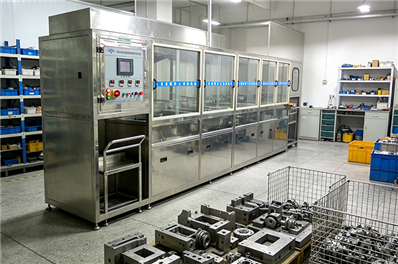 One Ultrasonic Machine, Three Critical Cleaning Tasks – Can It Really Handle Silicon Material, Solar Cells, and Terminal Blocks in One Go?
In photovoltaic manufacturing, semiconductor fabrication, and electronic component production, cleaning is never a single-step affair. Different materials, different contaminants, and different surface sensitivities demand different approaches – or so the
-
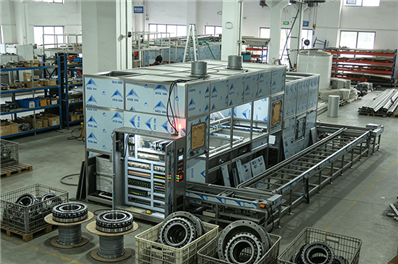 Ultrasonic Cleaning Machine: The Cost-Effective Solution for Mold Parts Cleaning
In the manufacturing industry, the cleaning of mold components—such as core pins, ejector pins, and intricate mold inserts—has long been a silent drain on production budgets. The costs are not limited to cleaning agents and labor; they extend to rejected
-
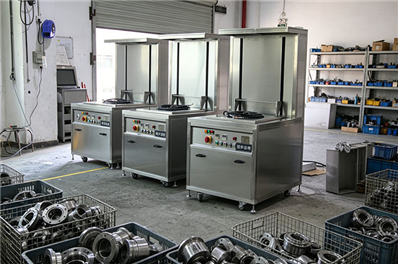 From Dirty to Spotless: How Long Does Ultrasonic Automatic Cleaning Take for a Multilayer PCB?
Walk onto the floor of any PCB assembly shop, and you will see it: boards fresh off the soldering line, covered in flux residues, ionic contaminants, and microscopic debris. The clock is ticking. Production schedules depend on getting these boards clean—f
-
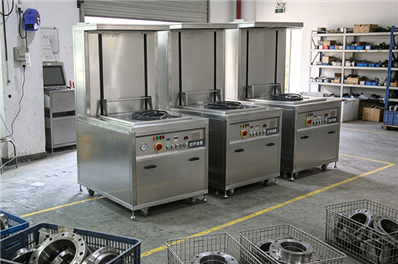 Why Are Leading Manufacturers Switching to Industrial Ultrasonic Automated Cleaning Machines for PCB Cleaning?
Walk into any modern electronics manufacturing facility, and you will notice a striking pattern. The factories that consistently deliver high-quality PCBs—with minimal defects, predictable throughput, and low rework rates—have one thing in common: they ha
-
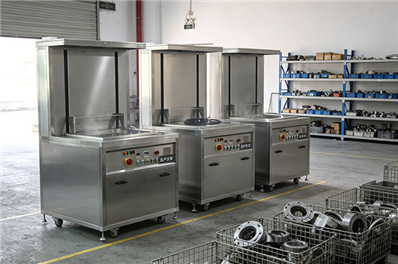 PCB Water Spots and White Residue After Cleaning? This Automated Ultrasonic Cleaner Saved Our Yield
For electronics manufacturers, few things are more frustrating than watching a batch of perfectly assembled PCBs emerge from the cleaning line covered in unsightly water spots and chalky white residues. The boards looked flawless before cleaning. Now they
-
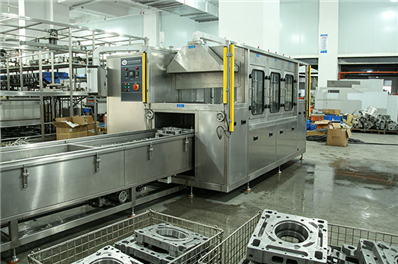 FPC Flexible Board Easily Damaged by Manual Cleaning? Finally, a Solution for High-Volume Degreasing
In electronics manufacturing, few components are as delicate—and as critical—as Flexible Printed Circuits (FPCs). Thin as paper, with trace widths often below 0.03mm, FPCs are the backbone of smartphones, wearables, tablets, and countless other compact de
-
 How to Thoroughly Remove Micro‑Pore Contaminants in Hydraulic Components? This Ultrasonic Equipment Has Become the Industry Standard
In hydraulic system manufacturing, there is a scenario that plays out repeatedly in quality inspection rooms: A valve body passes every dimensional check, assembles perfectly, and ships to the customer. Then, after a few hundred operating hours, the syste