In photovoltaic manufacturing, semiconductor fabrication, and electronic component production, cleaning is never a single-step affair. Different materials, different contaminants, and different surface sensitivities demand different approaches – or so the conventional wisdom goes.
Silicon materials require removal of cutting fluids, metal shavings, and organic residues without scratching the delicate surface. Solar cells need ultra-clean surfaces free from dust and ionic contaminants to ensure optimal conversion efficiency. Terminal blocks and electrical connectors must be stripped of oils, fluxes, and oxidation layers to guarantee reliable conductivity.
Traditionally, manufacturers have relied on multiple dedicated cleaning stations – one for silicon, one for cells, one for terminals – each with its own chemistry, its own operators, and its own bottlenecks. The result? Fragmented workflows, excessive floor space consumption, high labor costs, and constant quality inconsistencies as materials move from one cleaning station to the next.
The Question That Changes Everything
What if a single ultrasonic cleaning machine could handle all three – silicon material, solar cells, and terminal blocks – with equal effectiveness?
The answer is not just theoretical. Whale Cleen has been delivering exactly this kind of versatile cleaning capability to manufacturers across the photovoltaic and electronics industries since 2003.
Why Ultrasonic Cleaning Breaks the "One Material, One Machine" Rule
The secret lies in the physics of ultrasonic cavitation. High-frequency sound waves propagate through a cleaning solution, generating millions of microscopic bubbles that rapidly form and collapse. Each implosion releases intense localized energy, creating shock waves that dislodge contaminants from every surface they touch – regardless of the material's shape, size, or complexity.
This makes ultrasonic cleaning fundamentally different from spray washing, chemical immersion, or manual scrubbing:
Whale Cleen: One Machine, Multiple Applications
Whale Cleen is a high-tech enterprise that integrates R&D, manufacturing, marketing, and after-sales service for ultrasonic cleaning equipment. With a 10,000-square-meter production base and a focus that began in 2003, the company has accumulated deep expertise in designing cleaning solutions that serve major industries.
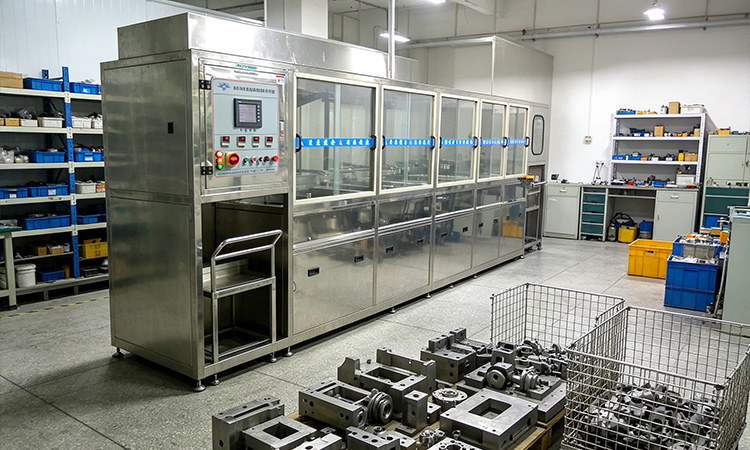
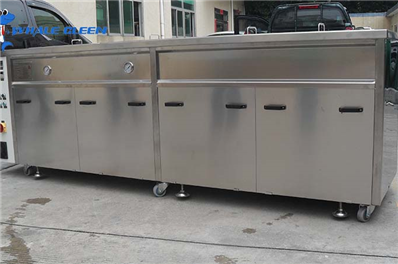
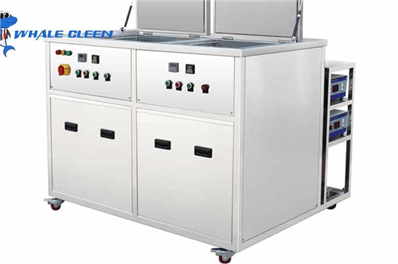
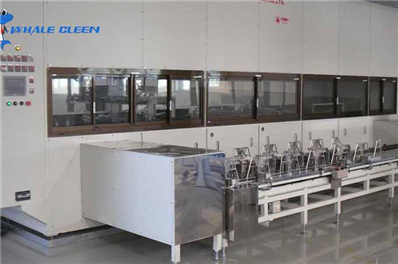
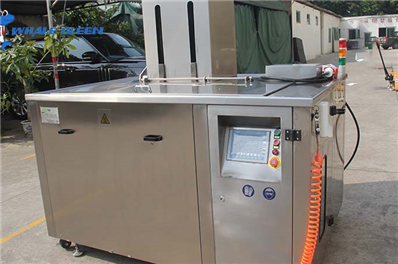
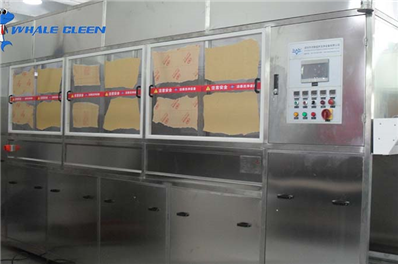
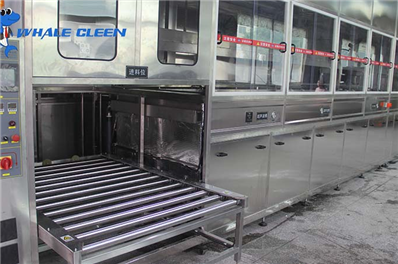
Whale Cleen's industrial ultrasonic cleaning machines are engineered for versatility. The company designs and produces automatic ultrasonic cleaning machines, custom ultrasonic cleaning machines, and large industrial ultrasonic cleaning machines capable of handling high-volume production demands. This means manufacturers can configure a single cleaning system with adjustable parameters – frequency, temperature, cleaning cycle, and solution chemistry – to accommodate different materials and contamination profiles.
For silicon material cleaning: The ultrasonic action removes cutting fluids and metal particles from ingots and wafers without introducing scratches that could compromise downstream processing.
For solar cell cleaning: The gentle yet thorough cavitation eliminates dust and organic residues from cell surfaces, ensuring maximum light absorption and conversion efficiency.
For terminal block cleaning: Ultrasonic waves penetrate into terminal housings and contact surfaces, stripping away oils, fluxes, and oxidation that could impair electrical performance.
The Operational Advantage: From Fragmented to Streamlined
The real-world impact goes beyond technical capability. When one ultrasonic cleaning machine can handle multiple material types, the entire production workflow transforms:
Whale Cleen's commitment to customization means that manufacturers are not forced into a one-size-fits-all solution. The company works closely with clients to design cleaning systems that match specific production requirements – whether that means automated loading and unloading, integrated drying stages, or specialized fixturing for delicate components.
From Bottleneck to Breakthrough
For manufacturers wrestling with the complexity of cleaning multiple material types across disjointed workstations, the question is no longer "Can one machine do it all?" – it's "Why are we still using multiple machines?"
Whale Cleen's ultrasonic cleaning solutions demonstrate that versatility and efficiency are not mutually exclusive. One machine, properly configured, can indeed handle silicon material, solar cells, and terminal blocks – delivering consistent, high-quality results across the board while simplifying operations and reducing costs.
When your cleaning process stops being a fragmented burden and becomes a streamlined enabler, your entire production line moves faster, smoother, and more profitably.