-
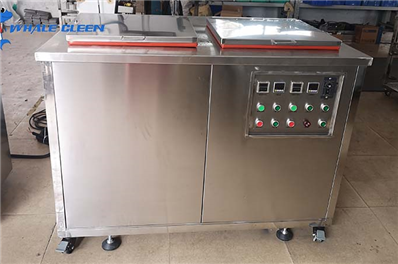 Frequent Downtime? Can’t Find After-Sales Support? For Large Ultrasonic Cleaning Machines, Choose an Experienced Manufacturer That Specializes in Non-Standard Customization
Imagine this: Your production line is running at full capacity. Critical components are moving through the cleaning station—the final step before assembly. Then, without warning, your large ultrasonic cleaning machine goes dark.The red alarm light flashes
-
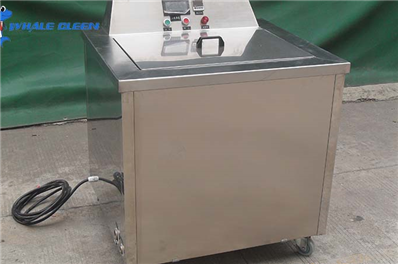 What are the characteristics of a small ultrasonic cleaning machine?
With the development of ultrasonic technology, now the ultrasonic cleaning machine has changed dramatically, the frequency can be used in 20-100kHz at the same time, and high-frequency cleaning technology has broken through the scope and effect of ultraso
-
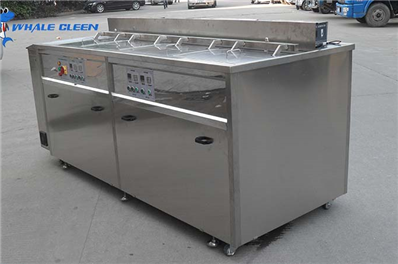 The price and characteristics of a small ultrasonic cleaning machine
The ultrasonic cleaning machine has been developed from the end of the 19th century and the beginning of the 20th century to the production, development, and use of major manufacturers. Next, Kitai will tell you the price of a small ultrasonic cleaning ma
-
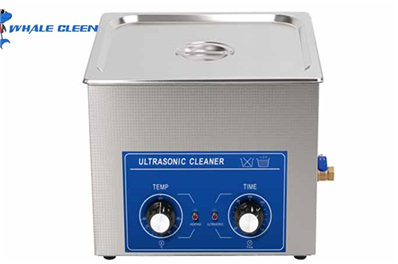 There are several categories of ultrasonic cleaning machines. How to classify?
With the development of technology, ultrasonic cleaning machine has entered every household, from the common dishwasher, and glasses ultrasonic cleaning machine to large-scale industrial ultrasonic cleaning machine, it can be said that there are many kind
-
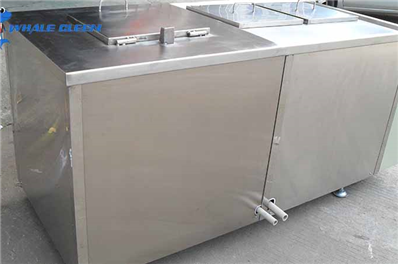 What are the categories of ultrasonic cleaning machines? Precautions and common problems of ultrasonic cleaning machines
Along with the rapid development of our country's manufacturing industry, the ultrasonic cleaning machine, as an excellent instrument and equipment in cleaning tools, must have its presence in every field of work, because to cooperate with the work re
-
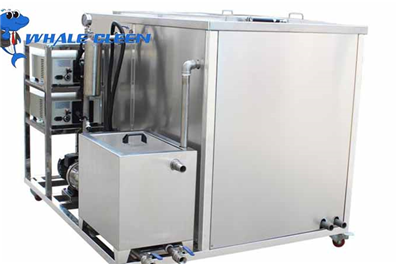 Breakthrough and application of automotive single tank ultrasound cleaning machine
With the rapid development of the industry, industrial enterprises are facing the pressure of internal and external competition. For example, the rapid development of the automotive industry has become our daily important means of transportation. T
-
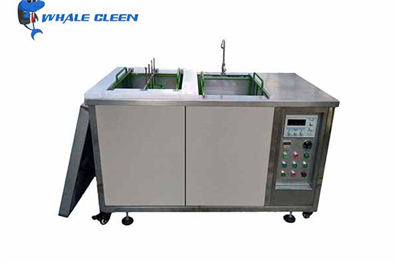 Type, parameter, and precautions for ultrasonic cleaning machine
At present, the ultrasonic cleaning machine has gradually replaced the traditional methods of soaking, scrubbing, pressure cleaning, vibration cleaning, steam cleaning. And it has been applied to a more professional manufacturer. The efficiency and high c
-
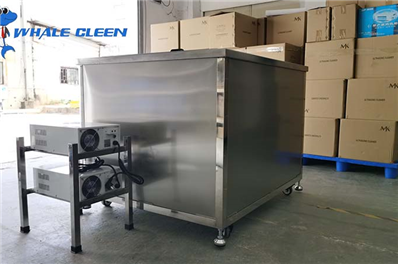 Precision Parts Cleaning: Why Ultrasonic Cleaning Is Increasingly Preferred for Cutting Fluid Residue Removal
Conclusion: Cutting fluid residue is trapped in locations that cannot be reached by flowing liquid Cutting fluid residue essentially stays in cavities where free-flowing liquid cannot refresh. Ultrasonic cleaning delivers cavitation into blind holes an
-
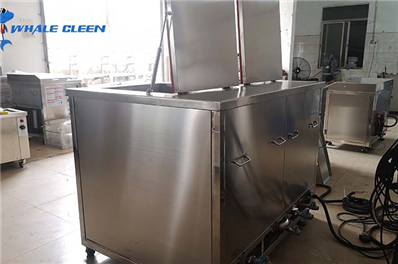 How Does an Ultrasonic Cleaning Machine Remove Aviation Lubricant, Carbon Black and Coolant Residue in One Pass?
Conclusion: One loading is achievable, but one tank is notThe three contaminants have opposing chemical properties, and no single chemistry removes all of them. To finish in one loading, the line must be staged: solvent or emulsifying stage for oil, water
-
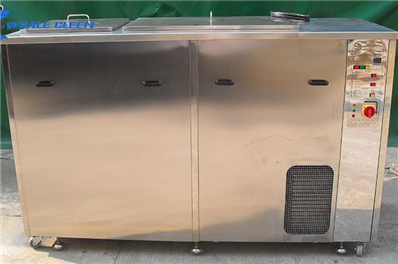 Ultrasonic Cleaning Machine for Thin Blades: How Precision Cavitation Cleans Without Deformation
Thin blades—turbine foils, compressor vanes, surgical cutting edges, semiconductor lead frames—share a common cleaning dilemma. Contaminants cling to surfaces that cannot tolerate brushing, scraping, or high-pressure spray. A blade thin enough to flex bet
-
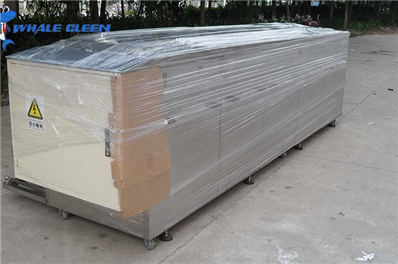 Sensor Metal Housing Cleaning: Ultrasonic vs. Spray—Where the Difference Actually Lives
A sensor housing comes off the machining line with cutting oil, metal fines, and oxidized particles packed into thread roots, blind-hole bottoms, and mating seams. It goes through a spray washer, comes out looking clean, and passes a visual check. Weeks l
-
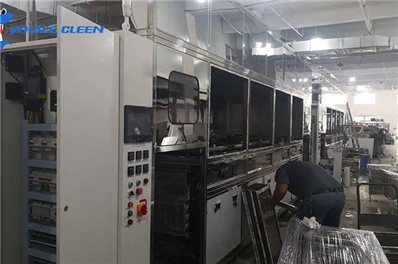 Ultrasonic Cleaning Machine: How to Remove Thick Oxide Scale Without Acid Pickling
Thick oxide scale is one of the most stubborn contaminants in industrial parts cleaning. It forms on steel, castings, forgings, and welded components after heat treatment, hot rolling, or high-temperature processing. In many plants, the default solution i