-
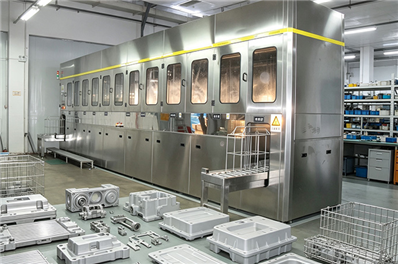 How Many Types of Electroplating Hardware Blanks Can One Ultrasonic Cleaning Machine Handle?
Walk into any hardware electroplating facility, and you will see a staggering variety of workpieces moving through the production line. Stamped brackets, machined housings, threaded fasteners, die-cast components, precision turned parts—each with its own
-
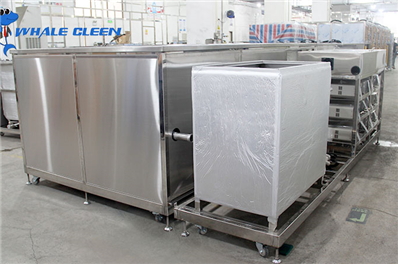 The Same Circuit Board, Different Results: Why Leading Electronics Manufacturers Are Switching to Industrial Ultrasonic Automatic Cleaning Machines
Look at the two PCBs. The first was cleaned with a manual brush and solvent dip. The second came from a fully automated ultrasonic cleaning line. To the naked eye, they look identical—solder joints shining, surfaces spotless, ready for assembly. But un
-
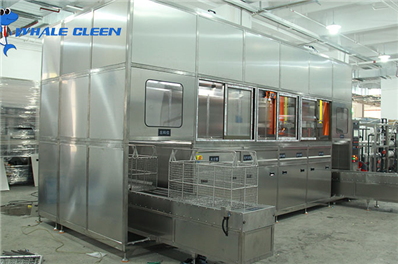 Metal Degreasing Without Strong Acid Soaking: The Hidden Cleaning Advantages of Ultrasonic Technology
In metal parts manufacturing, few processes carry as many hidden costs—and as many risks—as strong acid soaking for degreasing and rust removal. For decades, countless factories have relied on aggressive acid baths to strip oil, grease, and oxidation from
-
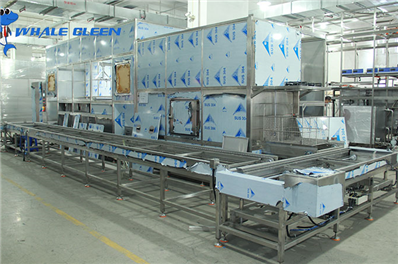 Hydraulic Valve Body Dead‑End Grease Is Hard to Remove – What Are the Practical Ultrasonic Cleaning Tips?
In any hydraulic system, the valve body is the command center. Its internal network of intersecting oil channels, precision spool bores, and tiny flow passages directs the flow, pressure, and direction of hydraulic fluid. A single valve body may contain d
-
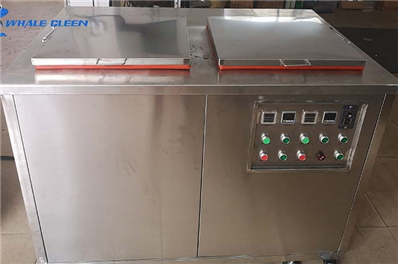 Stubborn Oil in Blind Holes & Microholes? Try Ultrasonic Cleaners for Degreasing and Descaling Before Electroplating
Conclusion: Blind-hole oil is hard to remove mostly because liquid cannot enter and residue cannot drain out, not because the oil itself is difficult to stripFor blind hole cleaning, degreasing and oxide removal should be separated into two sequential sta
-
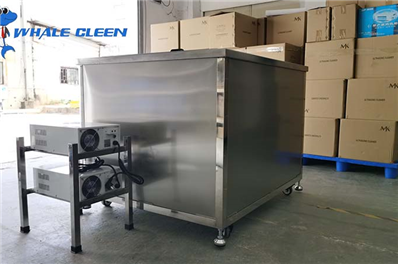 Precision Parts Cleaning: Why Ultrasonic Cleaning Is Increasingly Preferred for Cutting Fluid Residue Removal
Conclusion: Cutting fluid residue is trapped in locations that cannot be reached by flowing liquid Cutting fluid residue essentially stays in cavities where free-flowing liquid cannot refresh. Ultrasonic cleaning delivers cavitation into blind holes an
-
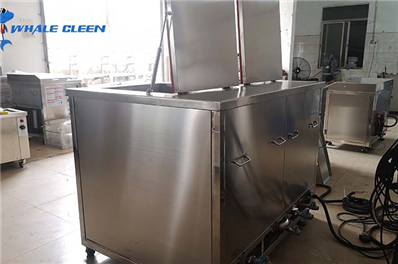 How Does an Ultrasonic Cleaning Machine Remove Aviation Lubricant, Carbon Black and Coolant Residue in One Pass?
Conclusion: One loading is achievable, but one tank is notThe three contaminants have opposing chemical properties, and no single chemistry removes all of them. To finish in one loading, the line must be staged: solvent or emulsifying stage for oil, water
-
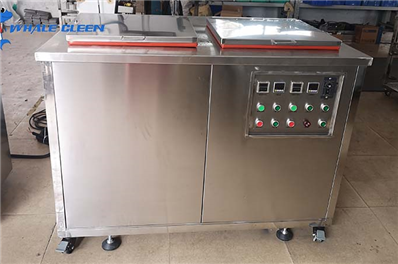 Ultrasonic Cleaning Machine for Batch Sensor Housings: How Whale cleen Prevents Scratches
Batch cleaning sensor housings is one of the most demanding tasks in precision manufacturing. These components often feature machined surfaces, threaded ports, blind holes, and tight tolerances. Contaminants such as cutting oil, metal fines, polishing res
-
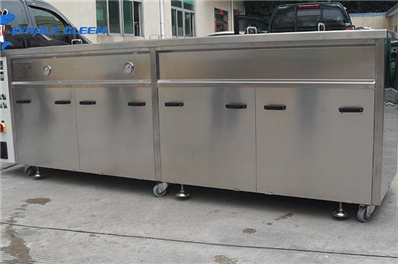 Ultrasonic Cleaning Machine for Blind Holes: How Whale Cleen Meets Strict Acceptance Standards
In precision manufacturing, the most difficult contamination is often the contamination you cannot see. Fine blind holes, narrow slots, threaded ports, and tight crevices can trap polishing dust, lapping residue, metal fines, and oil film. A part may look
-
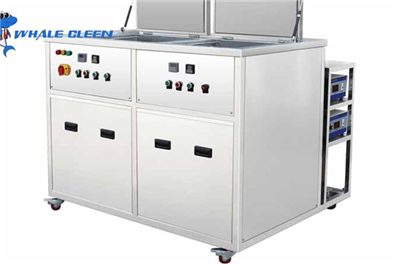 Stuck with Grinding Dust Embedded in Batch Workpiece Crevices? Manual Cleaning Is Draining Your Labor Budget and Driving Production Costs Through the Roof
Walk into any metalworking shop, stamping plant, or machining facility, and you will see the same scene repeated shift after shift: workers hunched over parts bins, scrubbing with brushes, picking at crevices with picks, blowing compressed air into blind
-
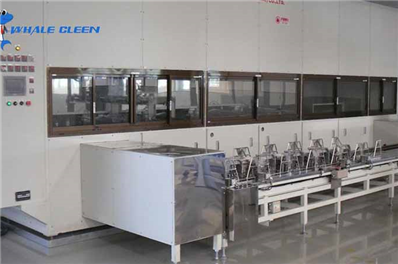 Same Ultrasonic Cleaning, Why Are Some Aerospace Fastener Yield Rates So Much Higher?
In aerospace manufacturing, few quality metrics are as unforgiving as fastener cleanliness. A single micro-fastener — a titanium alloy bolt, a high-strength steel screw, a threaded insert — can carry cutting fluids, lapping compounds, or microscopic metal
-
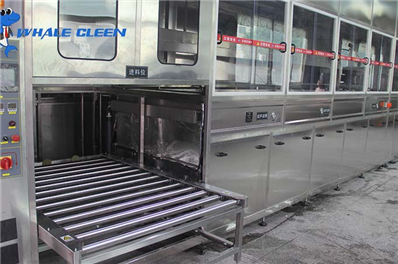 Can One Ultrasonic Cleaning Machine Really Solve Water Stain and Oxidation Problems on Die-Cast Parts?
Walk into any die-casting facility, and you will hear the same frustration from quality control inspectors and production managers alike. Aluminum die-cast parts emerge from the cleaning line looking perfectly clean—only to reveal white spots, cloudy patc