-
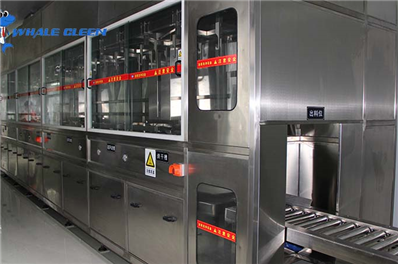 Why Does the Ultrasonic Cleaner Turn Things Black? Unveiling the Causes and Solutions
Discovering black particles floating in the water or a dark film on your items after ultrasonic cleaning can be alarming. Is your jewelry ruined? Is the machine faulty? In most cases, this "blackening" is a normal—even positive—indicator of the
-
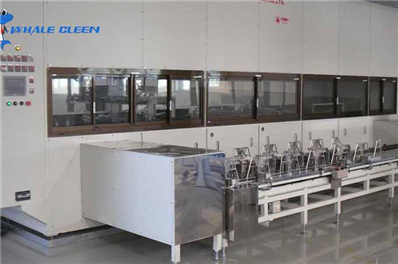 Same Ultrasonic Cleaning, Why Are Some Aerospace Fastener Yield Rates So Much Higher?
In aerospace manufacturing, few quality metrics are as unforgiving as fastener cleanliness. A single micro-fastener — a titanium alloy bolt, a high-strength steel screw, a threaded insert — can carry cutting fluids, lapping compounds, or microscopic metal
-
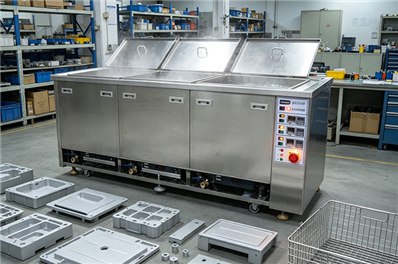 Ultrasonic Electrolytic Cleaning for Molds: Eliminate Gas Coke and Toner Residue That Causes Yellowing and Flow Marks
The Persistent Mold Contamination Problem In injection molding, the mold is the heart of production. But over time, even the best-maintained molds accumulate stubborn contaminants that no amount of wiping or solvent dipping can fully remove. Two of the
-
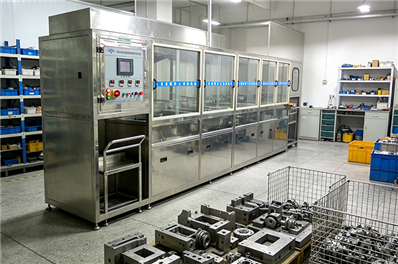 One Ultrasonic Machine, Three Critical Cleaning Tasks – Can It Really Handle Silicon Material, Solar Cells, and Terminal Blocks in One Go?
In photovoltaic manufacturing, semiconductor fabrication, and electronic component production, cleaning is never a single-step affair. Different materials, different contaminants, and different surface sensitivities demand different approaches – or so the
-
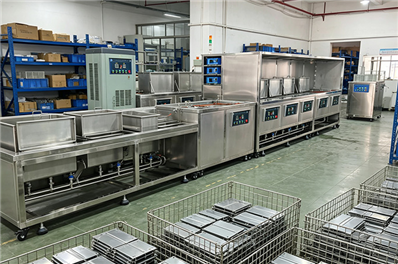 Ultrasonic Cleaning Machine: The Definitive Solution for Rust and Oil Contamination That Spray Cleaning Leaves Behind
In metal parts manufacturing and heavy equipment maintenance, few scenarios are as frustrating—and as costly—as the inspection failure that follows an inadequate cleaning process.The scenario plays out in workshops every day: a batch of precision metal co
-
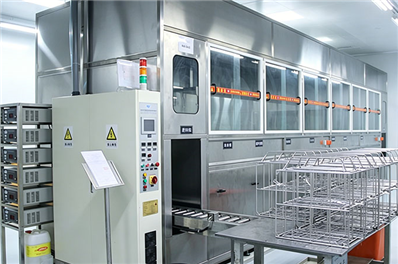 Precision Bearings Prone to Chipping and Scratching? Automated Ultrasonic Cleaning Machine Avoids Component Damage
Precision bearings are the lifeblood of modern mechanical transmission systems—from automotive drivetrains and high-speed machining spindles to aerospace actuators and industrial gearboxes. Yet, in countless workshops and production lines, the delicate ta
-
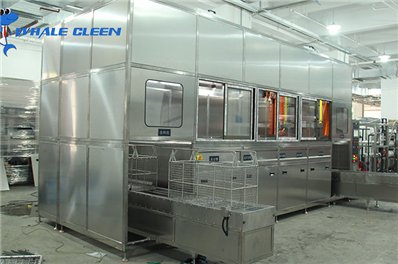 Metal Degreasing Without Strong Acid Soaking: The Hidden Cleaning Advantages of Ultrasonic Technology
In metal parts manufacturing, few processes carry as many hidden costs—and as many risks—as strong acid soaking for degreasing and rust removal. For decades, countless factories have relied on aggressive acid baths to strip oil, grease, and oxidation from
-
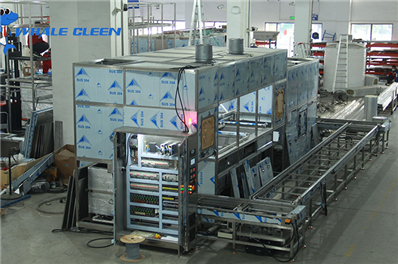 Fuel Nozzle Deep Degreasing Challenge: How Ultrasonic Cleaning Machines Remove Internal Deposits
Fuel nozzles are among the most precision-critical components in any engine—whether for diesel rail systems, gasoline direct injection, or gas turbines. Over their service life, three distinct contaminants accumulate inside the nozzle structure:Coked carb
-
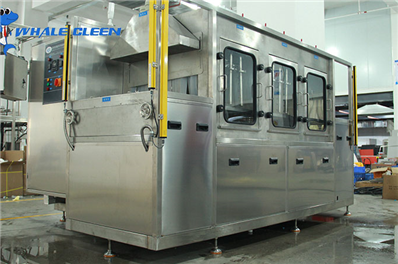 Why Is Ultrasonic Cleaning the Preferred Choice for Silicon Wafer Cleaning?
In semiconductor manufacturing, a single microscopic particle clinging to a silicon wafer surface can turn a high-value chip into scrap. As device geometries continue to shrink toward single-digit nanometer nodes, the tolerance for contamination has becom
-
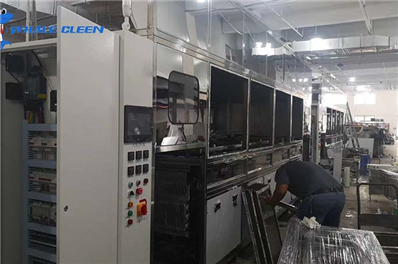 Struggling with Mold Residue That Compromises Part Quality? Discover Ultrasonic Cleaning Solutions
In precision manufacturing, the mold is the birthplace of your product. Every imperfection on the mold surface—every speck of carbon, every trace of resin, every microscopic oil residue—gets faithfully reproduced on every single part that emerges from it.
-
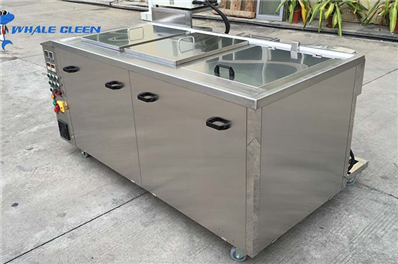 Why Did It Rust After Ultrasonic Cleaning? The Causes and Prevention Guide
You carefully place your metal items into the ultrasonic cleaner, expecting them to come out sparkling clean. Instead, you find unsightly orange or brown spots—rust. It's a frustrating and confusing experience.Why did it rust after ultrasonic cleaning
-
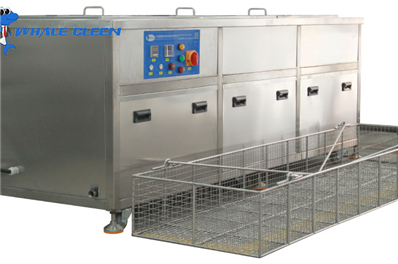 Why Do Ultrasonic Cleaners Cause Rust? Key Reasons and Prevention Strategies
Ultrasonic cleaners are widely used in industrial and precision cleaning due to their ability to remove contaminants from complex surfaces. However, users often encounter rust formation on processed metal parts, especially at the bottom. This article expl