-
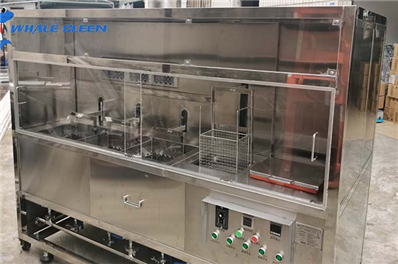 Three common industrial cleaning methods
Cleaning according to the different scope of cleaning, can be divided into civil cleaning and industrial cleaning, cleaning involved in industrial production are industrial-based cleaning category. Industrial cleaning can generally be divided into
-
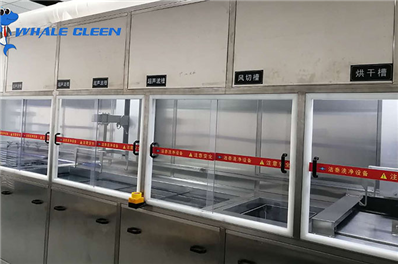 Enhanced Cleaning Efficacy of Ultrasonic Cleaning Machines for Metal Signage
Ultrasonic cleaning machines have demonstrated exceptional efficacy in the cleaning of metal signage. Metal signs, often utilized for identification, information dissemination, and brand representation, necessitate consistent surface cleanliness for maint
-
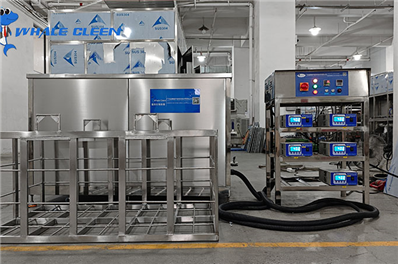 Ultrasonic Cleaners: The Cleaner Choice in Electronics Manufacturing
The electronics manufacturing industry is an intricate, highly regulated sector that requires precision at every step of the production process. One critical aspect is cleanliness—especially for sensitive components like printed circuit boards (PCBs), sem
-
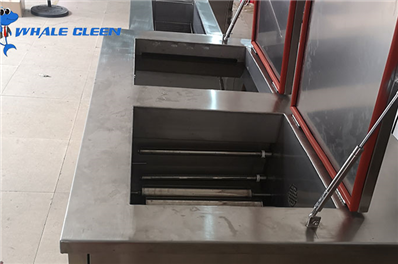 The Green Choice for Eco-Friendly Cleaning: Ultrasonic Cleaning Equipment
As environmental awareness continues to rise, the pollution issues associated with traditional cleaning methods have become increasingly concerning. Ultrasonic cleaning equipment, known for its high efficiency and eco-friendly nature, is gradually replaci
-
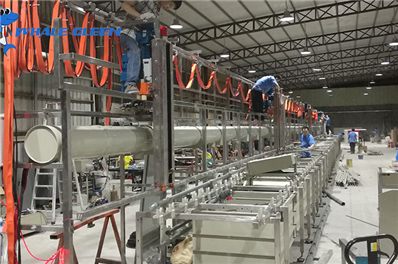 Ultrasonic Cleaning Technology: Revolutionizing Electronic Product Cleanliness
Ultrasonic cleaning technology has emerged as a groundbreaking revolution in addressing the challenges of cleaning electronic products. With its innovative approach and ability to target the micro-level contaminants, ultrasonic cleaning is reshaping the l
-
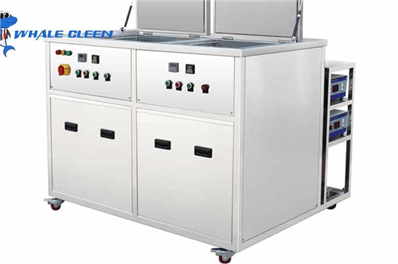 Stuck with Grinding Dust Embedded in Batch Workpiece Crevices? Manual Cleaning Is Draining Your Labor Budget and Driving Production Costs Through the Roof
Walk into any metalworking shop, stamping plant, or machining facility, and you will see the same scene repeated shift after shift: workers hunched over parts bins, scrubbing with brushes, picking at crevices with picks, blowing compressed air into blind
-
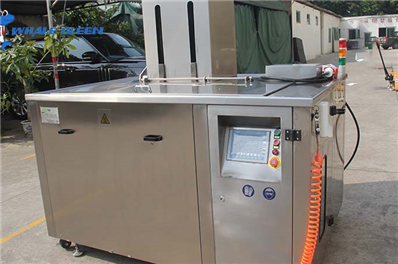 How Ultrasonic Cleaning Reaches the Thread Roots of Micro-Fasteners for Deep Chip and Oil Removal
In precision manufacturing, few challenges are as persistent—or as costly—as cleaning micro-fasteners. Screws, bolts, and threaded inserts with diameters under M2 feature intricate geometries: narrow thread valleys, blind holes, and sharp internal corners
-
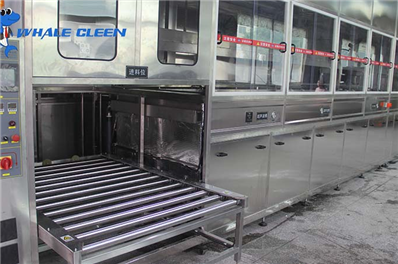 Can One Ultrasonic Cleaning Machine Really Solve Water Stain and Oxidation Problems on Die-Cast Parts?
Walk into any die-casting facility, and you will hear the same frustration from quality control inspectors and production managers alike. Aluminum die-cast parts emerge from the cleaning line looking perfectly clean—only to reveal white spots, cloudy patc
-
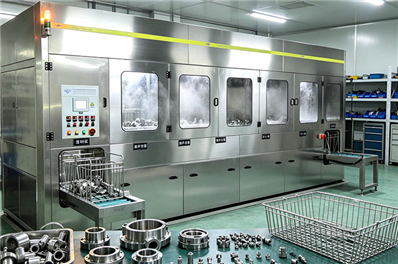 Industrial Ultrasonic Cleaning Machine: The Complete Solution for Manufacturing Precision Parts
In modern manufacturing, surface cleanliness is not merely an aesthetic consideration—it is a critical factor that directly impacts product performance, coating adhesion, and overall production yield. From automotive engine components and transmission par
-
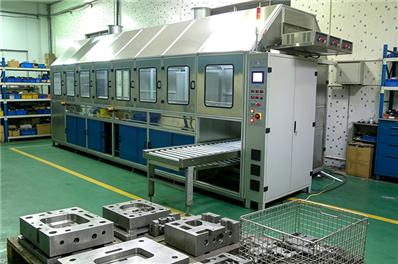 No Harsh Chemicals? How to Achieve Micron-Level Cleanliness for Nickel-Plated Substrates
You've dialed in the nickel plating bath chemistry. The temperature is right, the current density is optimized, and the dwell time is precisely controlled. Yet the plating still blisters. The cross-hatch test fails. The adhesion just isn't there.T
-
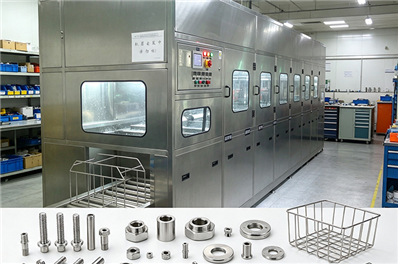 Ultrasonic Cleaning Machine: Why Disassemble Molds When You Can Clean Carbon Deposits in Minutes?
In industrial manufacturing, few maintenance tasks are as time-consuming and costly as mold cleaning. Production managers know the drill all too well: shutdown the line, wait for the mold to cool, disassemble every component, scrub stubborn carbon deposit
-
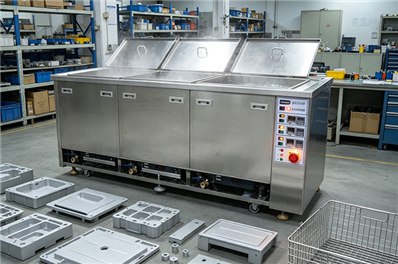 Ultrasonic Electrolytic Cleaning for Molds: Eliminate Gas Coke and Toner Residue That Causes Yellowing and Flow Marks
The Persistent Mold Contamination Problem In injection molding, the mold is the heart of production. But over time, even the best-maintained molds accumulate stubborn contaminants that no amount of wiping or solvent dipping can fully remove. Two of the