-
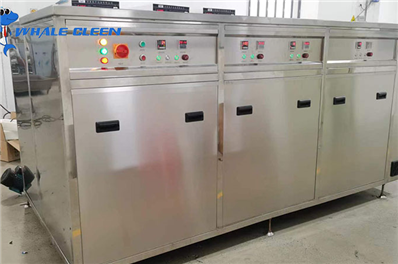 Understanding the Materials Used in Ultrasonic Cleaning Machines
Ultrasonic cleaning machines have become an essential tool in various industries, from medical equipment sterilization to precision engineering, thanks to their ability to clean delicate or intricate objects effectively. A critical aspect of their efficie
-
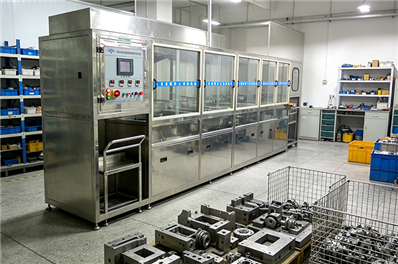 One Ultrasonic Machine, Three Critical Cleaning Tasks – Can It Really Handle Silicon Material, Solar Cells, and Terminal Blocks in One Go?
In photovoltaic manufacturing, semiconductor fabrication, and electronic component production, cleaning is never a single-step affair. Different materials, different contaminants, and different surface sensitivities demand different approaches – or so the
-
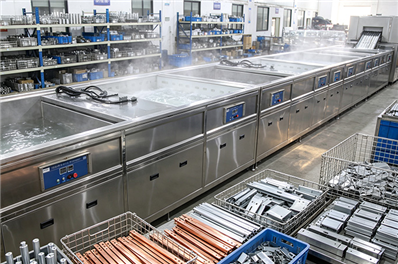 How to Select an Ultrasonic Cleaning Machine for Engine Cylinder Blocks
In heavy-duty equipment repair and engine remanufacturing, the cleaning of cylinder blocks is a critical and demanding task. These large, complex cast-iron or steel components contain intricate networks of oil galleries, water jackets, blind holes, and pr
-
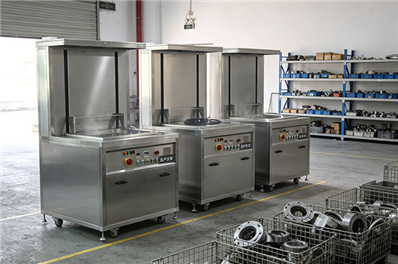 PCB Water Spots and White Residue After Cleaning? This Automated Ultrasonic Cleaner Saved Our Yield
For electronics manufacturers, few things are more frustrating than watching a batch of perfectly assembled PCBs emerge from the cleaning line covered in unsightly water spots and chalky white residues. The boards looked flawless before cleaning. Now they
-
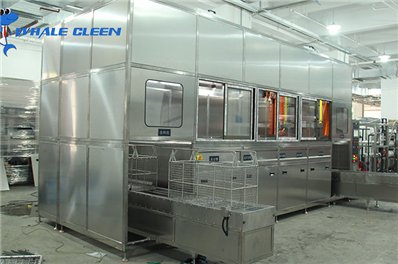 Metal Degreasing Without Strong Acid Soaking: The Hidden Cleaning Advantages of Ultrasonic Technology
In metal parts manufacturing, few processes carry as many hidden costs—and as many risks—as strong acid soaking for degreasing and rust removal. For decades, countless factories have relied on aggressive acid baths to strip oil, grease, and oxidation from
-
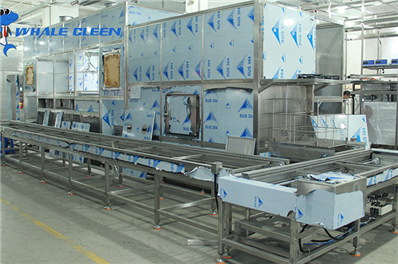 Ultrasonic Cleaning Machine for Aerospace Components: From High-Risk Traditional Methods to Non-Contact Degreasing That Safeguards Flight Safety
In the high-stakes world of aviation maintenance, cleaning is far from a routine chore — it is a direct pillar of flight safety. A single turbine blade contaminated with baked-on carbon deposits, a fuel nozzle with partially clogged orifices, or a hydraul
-
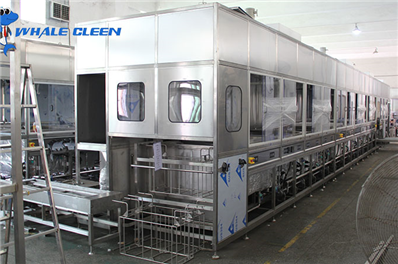 Precision Metal Stamping Parts Cleaning: Key Ultrasonic Equipment Selection Points — Why Whale Cleen Delivers Consistent, Damage‑Free Results
In high‑volume metal stamping production, cleaning is a process that is often underestimated—until it becomes the bottleneck. Stamped parts emerge from the press coated with heavy stamping oil, microscopic metal fines, and occasionally coolant residues. L
-
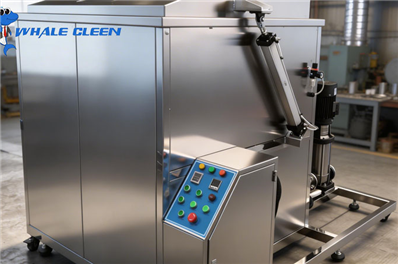 High-Volume Auto Parts Cleaning: Choosing the Right Ultrasonic Machine Saves Significant Costs
In the competitive world of automotive parts manufacturing, every minute and every cent counts. High-volume production of engine blocks, transmission housings, gears, shafts, and valve bodies demands not only precision machining but also equally precise a
-
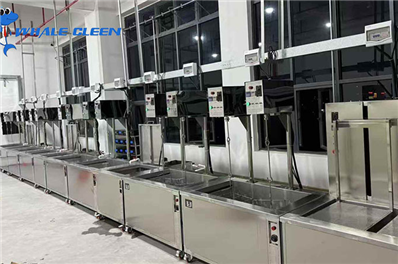 Vacuum Coating Pre-Cleaning: Dedicated Ultrasonic Cleaning Machines – A Head-to-Head Brand Comparison
In vacuum coating processes such as PVD (Physical Vapor Deposition) and CVD (Chemical Vapor Deposition), the quality of the final coating is directly determined by the cleanliness of the substrate. A single speck of oil, a microscopic particle, or a resid
-
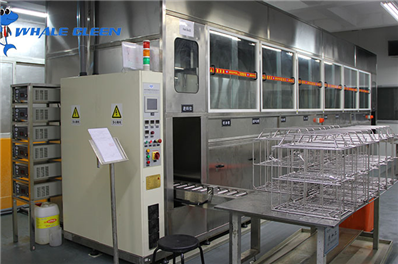 High-Cost-Performance Industrial Ultrasonic Cleaning Machine Brands: Avoid Common Selection Mistakes
In the world of industrial manufacturing, ultrasonic cleaning has become an essential process for ensuring product quality. From automotive parts and precision molds to metal components and electronic assemblies, the demand for reliable, efficient, and co
-
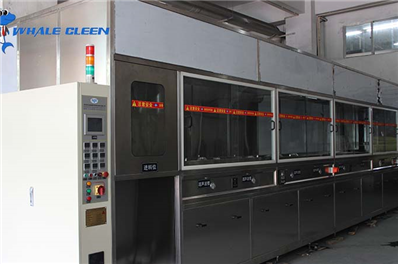 Big Ultrasonic Cleaning Machine: No Off‑the‑Shelf Units – Customized for Factory Non‑Standard Conditions
Walk into any real-world factory, machine shop, or auto parts plant. You will quickly notice that production conditions are rarely “standard.” Workpiece sizes vary wildly. Some components are covered in thick drawing grease, others in fine grinding dust.
-
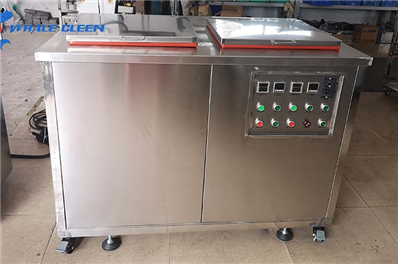 Frequent Downtime? Can’t Find After-Sales Support? For Large Ultrasonic Cleaning Machines, Choose an Experienced Manufacturer That Specializes in Non-Standard Customization
Imagine this: Your production line is running at full capacity. Critical components are moving through the cleaning station—the final step before assembly. Then, without warning, your large ultrasonic cleaning machine goes dark.The red alarm light flashes