In heavy-duty equipment repair and engine remanufacturing, the cleaning of cylinder blocks is a critical and demanding task. These large, complex cast-iron or steel components contain intricate networks of oil galleries, water jackets, blind holes, and precision-machined bearing surfaces. Over thousands of operating hours, they accumulate baked-on carbon, sludge, varnish, and abrasive metal fines that must be completely removed to ensure a reliable rebuild. Choosing the right ultrasonic cleaning machine for this application requires careful evaluation of the equipment and the manufacturer's capabilities.
An engine cylinder block is not a simple part. Its size and weight mean the cleaning system must be robust. Its complex internal passages mean the cleaning action must be able to reach everywhere the cleaning solution can flow. The risk of damage to critical surfaces—such as cylinder bores, crankshaft bearing journals, and camshaft bores—means the cleaning method must be effective yet safe, without causing erosion or dimensional change.
Traditional cleaning methods like hot tanks, abrasive blasting, or high-pressure washing often struggle to meet these demands. They may fail to reach internal passages, risk damaging machined surfaces, or pose environmental and safety concerns. An ultrasonic cleaning system, by contrast, uses cavitation to generate a gentle yet powerful scrubbing action that reaches every internal and external surface, making it the preferred choice for professional rebuilders.
When evaluating ultrasonic cleaning equipment for cylinder blocks, consider the following factors:
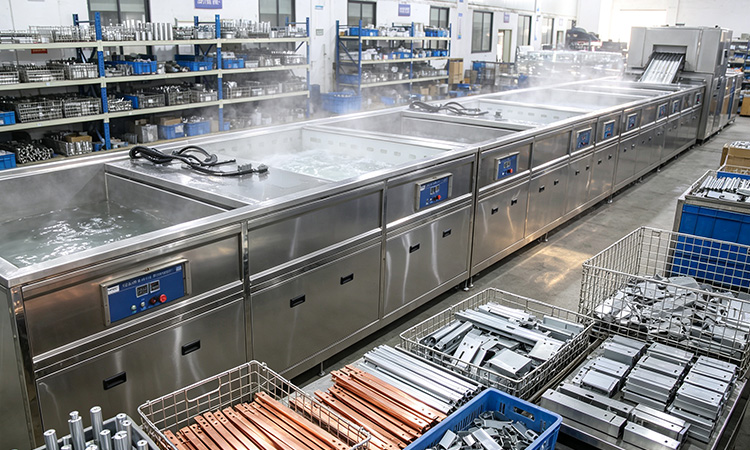
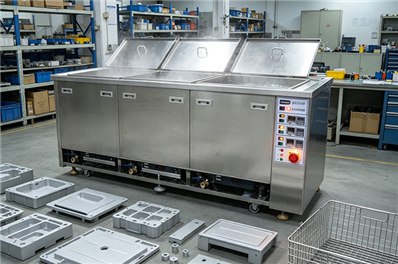
1. System Size and Load Capacity. The cleaning tank must be large enough to fully submerge the largest block you intend to clean. Beyond just volume, consider the weight capacity. Engine blocks can weigh hundreds of kilograms, so the tank structure, hoist, and basket must be designed for this heavy-duty load. The manufacturer should offer systems with appropriate dimensions and robust construction.
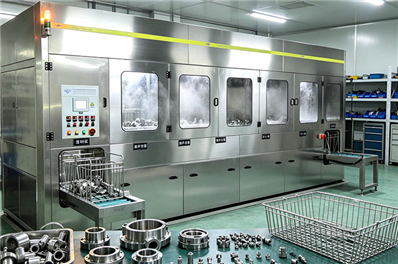
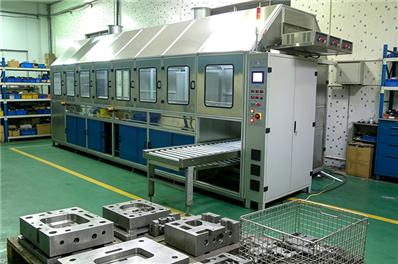
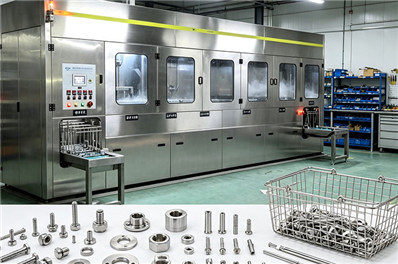
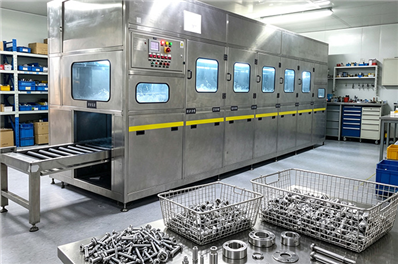
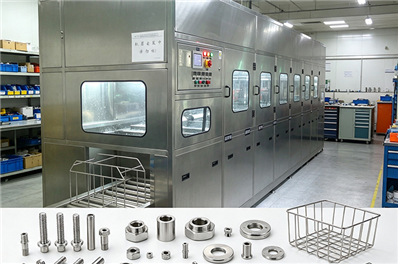
2. Automation Level for Workflow Efficiency. In a production environment, manual loading and unloading of a heavy block is time-consuming and presents safety risks. An automatic ultrasonic cleaning machine with a hoist or crane system is essential. Look for systems that can be fully automated, integrating cleaning, rinsing, and drying stages. This ensures consistent results and frees up personnel for other tasks.
3. Customization Capability for Your Specific Blocks. Not all cylinder blocks are the same. Some may have unique passages or specific materials. A "one-size-fits-all" machine may not deliver optimal results or fit your workspace. A manufacturer's ability to provide a custom ultrasonic cleaning machine is a significant advantage. This could involve tailoring the tank dimensions, transducer layout for uniform cleaning, or the control system to match your specific process requirements.
4. Manufacturer's Expertise and Support. Selecting equipment from an experienced manufacturer is crucial. Look for a company with a long track record in designing industrial cleaning solutions. An experienced manufacturer can provide guidance on the correct cleaning chemistry, cycle times, and temperature settings for an engine block. They should also offer robust after-sales support, including installation, training, and maintenance services.
Whale Cleen is a manufacturer that aligns with the needs of heavy-duty industrial cleaning. With a history focused on ultrasonic cleaning since 2003, the company has developed a strong competency in this field.
Proven Industrial Focus. Whale Cleen's core experience lies in providing professional cleaning solutions for the manufacturing sector. Their product range includes large industrial ultrasonic cleaning machines, which are essential for handling the scale of engine blocks. They also have the capability to produce automatic ultrasonic cleaning machines, enabling the workflow efficiency required in a professional rebuild shop.
Customization and Flexibility. Recognizing that applications vary, Whale Cleen emphasizes the ability to design and produce custom ultrasonic cleaning machines. This means they can work with a customer to create a system tailored to specific block sizes and shapes, which is far more effective than forcing the part into a standard, off-the-shelf tank. Their 10,000-square-meter production base indicates they have the resources for such tailored projects.
Comprehensive Service Model. As a high-tech enterprise that integrates R&D, manufacturing, marketing, and after-sales service, Whale Cleen offers a complete package. From evaluating your cleaning problem to designing a solution, manufacturing the machine, and providing ongoing support, they can serve as a single point of responsibility.
Selecting the right ultrasonic cleaning machine for engine cylinder blocks is about more than just buying a tank. It involves a careful assessment of size, capacity, automation, and the manufacturer's ability to provide a tailored, reliable solution. By choosing an experienced partner like Whale Cleen, which offers a range of industrial and custom systems backed by years of focused expertise, engine rebuilders can invest in equipment that ensures a thorough, safe, and efficient cleaning process, leading to more reliable engine rebuilds and longer service life.