-
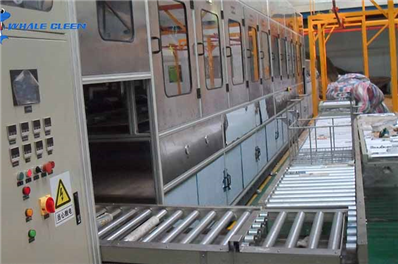 Why Do Ultrasonic Cleaners Heat Up? The Science Behind Temperature Rise and Practical Solutions
Ultrasonic cleaners have become essential tools in various industries, from jewelry cleaning to industrial parts maintenance. Many users notice that during operation, the cleaning solution and the device itself gradually heat up. This phenomenon often rai
-
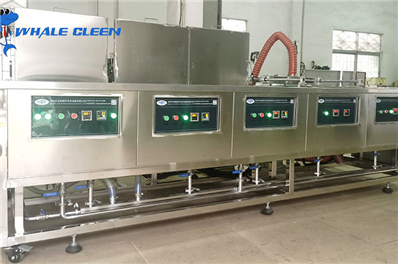 Ultrasonic Cleaning Machines: An Efficient Solution for Automotive Parts Cleaning
In the automotive industry, parts cleaning is a crucial step in ensuring the proper functioning, durability, and safety of various components. The cleaning process often needs to be thorough yet gentle enough to avoid damaging sensitive parts. Traditional
-
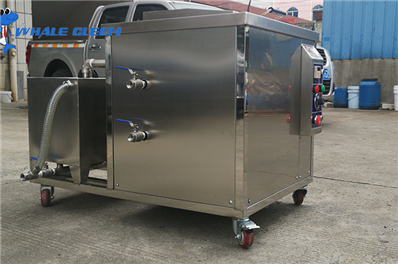 Ultrasonic Cleaning Equipment: The Superior Solution for Metal Parts Cleaning
In the realm of industrial cleaning, especially when it comes to metal parts, choosing the right cleaning method is crucial for maintaining both the performance and longevity of components. Ultrasonic cleaning equipment has emerged as a leading solution,
-
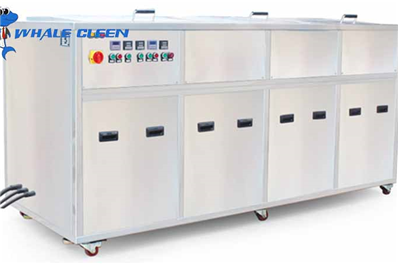 Why Do People Use Ultrasonic Cleaners? The Ultimate Guide to Ultrasonic Cleaning Technology
In today's world of advanced cleaning technology, ultrasonic cleaners have become increasingly popular across various sectors. But what drives people to choose these sophisticated cleaning devices? The answer lies in their unparalleled cleaning capabi
-
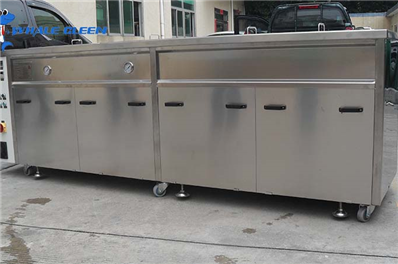 Ultrasonic Cleaning Machine for Blind Holes: How Whale Cleen Meets Strict Acceptance Standards
In precision manufacturing, the most difficult contamination is often the contamination you cannot see. Fine blind holes, narrow slots, threaded ports, and tight crevices can trap polishing dust, lapping residue, metal fines, and oil film. A part may look
-
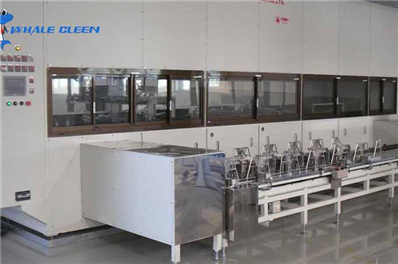 Same Ultrasonic Cleaning, Why Are Some Aerospace Fastener Yield Rates So Much Higher?
In aerospace manufacturing, few quality metrics are as unforgiving as fastener cleanliness. A single micro-fastener — a titanium alloy bolt, a high-strength steel screw, a threaded insert — can carry cutting fluids, lapping compounds, or microscopic metal
-
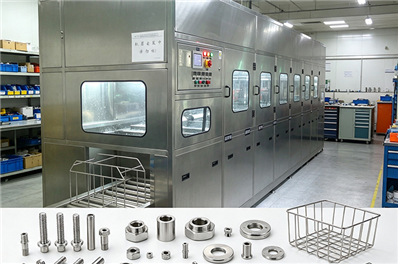 Ultrasonic Cleaning Machine: Why Disassemble Molds When You Can Clean Carbon Deposits in Minutes?
In industrial manufacturing, few maintenance tasks are as time-consuming and costly as mold cleaning. Production managers know the drill all too well: shutdown the line, wait for the mold to cool, disassemble every component, scrub stubborn carbon deposit
-
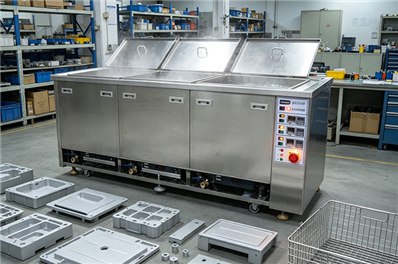 Ultrasonic Electrolytic Cleaning for Molds: Eliminate Gas Coke and Toner Residue That Causes Yellowing and Flow Marks
The Persistent Mold Contamination Problem In injection molding, the mold is the heart of production. But over time, even the best-maintained molds accumulate stubborn contaminants that no amount of wiping or solvent dipping can fully remove. Two of the
-
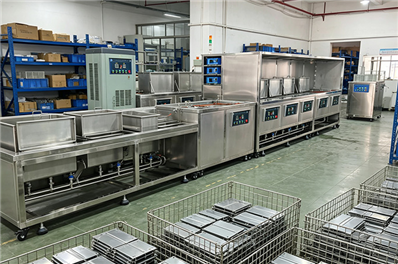 Ultrasonic Cleaning Machine: The Definitive Solution for Rust and Oil Contamination That Spray Cleaning Leaves Behind
In metal parts manufacturing and heavy equipment maintenance, few scenarios are as frustrating—and as costly—as the inspection failure that follows an inadequate cleaning process.The scenario plays out in workshops every day: a batch of precision metal co
-
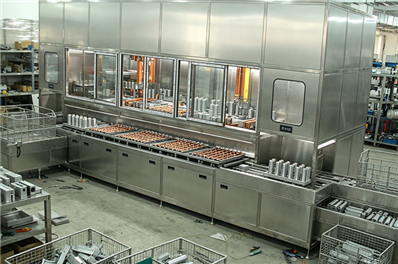 The Milling Cutter & Tap Cleaning Secret: Why Ultrasonic Outperforms Manual Methods
In any precision machining environment, the cleanliness of cutting tools like milling cutters and taps is directly linked to part quality, tool life, and production stability. Yet, the most common cleaning method—manual scrubbing with brushes, cloths, or
-
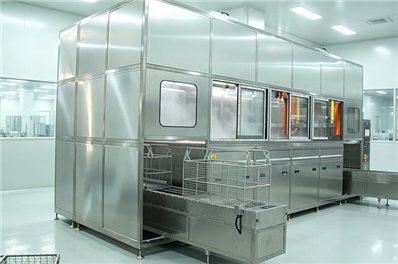 Precision Gauge Maintenance: How Ultrasonic Cleaning Avoids Costly Missteps
In the world of precision manufacturing, a precision gauge is the silent guardian of quality. Its dimensional accuracy dictates the fit, function, and safety of countless industrial products. Yet, a gauge's long-term accuracy isn't just a function
-
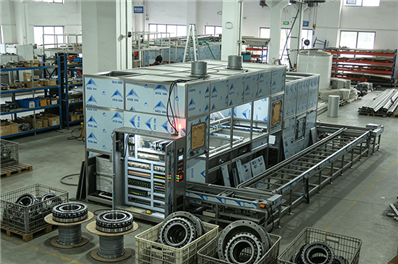 Ultrasonic Cleaning Machine: The Cost-Effective Solution for Mold Parts Cleaning
In the manufacturing industry, the cleaning of mold components—such as core pins, ejector pins, and intricate mold inserts—has long been a silent drain on production budgets. The costs are not limited to cleaning agents and labor; they extend to rejected