In precision machining, the cleanliness of tools like milling cutters and taps is not a minor detail—it is a critical factor determining part quality, tool longevity, and production reliability. However, the most common approach in many workshops—manual cleaning with brushes, rags, and solvent baths—creates a significant and costly performance gap. The difference between this outdated method and modern ultrasonic technology is stark, directly impacting a shop's efficiency and profitability.
Take a used milling cutter. Its flutes are packed with a tenacious mixture of cutting oil, fine metal chips, and abrasive particles. A tap, with its sharp threads and narrow chip clearance grooves, traps similar debris. The conventional response is to soak them in a solvent and attack the residue with a stiff brush. This approach seems straightforward but is fraught with issues.
Firstly, manual cleaning is labor-intensive and inconsistent. Each tool requires individual attention, and results vary widely based on the operator's effort and technique. This variability is the enemy of quality control. Secondly, and more damaging, manual scrubbing is inherently abrasive. Bristles and cloths can dull the sharp cutting edges of a milling cutter or alter the delicate thread profile of a tap, directly reducing tool life and compromising machining accuracy. Thirdly, these methods are ineffective in hidden areas. The bristles cannot reach deep into flute geometry or thread roots, leaving contaminants to act as abrasives during the next use, accelerating wear and leading to premature failure. The net result is higher tooling costs, more frequent changeovers, and an elevated risk of producing out-of-tolerance parts.
Ultrasonic cleaning operates on a fundamentally different principle, effectively closing this performance gap. The technology generates cavitation—millions of microscopic bubbles that implode with tremendous energy, producing powerful micro-jets and shockwaves. These forces act on every surface the liquid contacts, including the most inaccessible internal features.
The advantages over manual cleaning are decisive:
Unmatched Thoroughness: Cavitation reaches into every flute, thread, and blind hole of the milling cutter and tap, ensuring complete removal of all contaminants. There are no "missed spots" or hidden deposits.
Absolute Safety: Because the cleaning action is physical but non-abrasive, it does not scratch or dull the tool's critical surfaces. The sharpness and dimensional integrity of the tool are perfectly preserved, extending its useful life significantly.
Standardized Efficiency: An ultrasonic cycle is repeatable and predictable. A batch of tools can be loaded, and within a set time, they will all emerge with the same high level of cleanliness, eliminating the variability of manual work.
This is the "secret" to the non-destructive cleaning of precision tools.
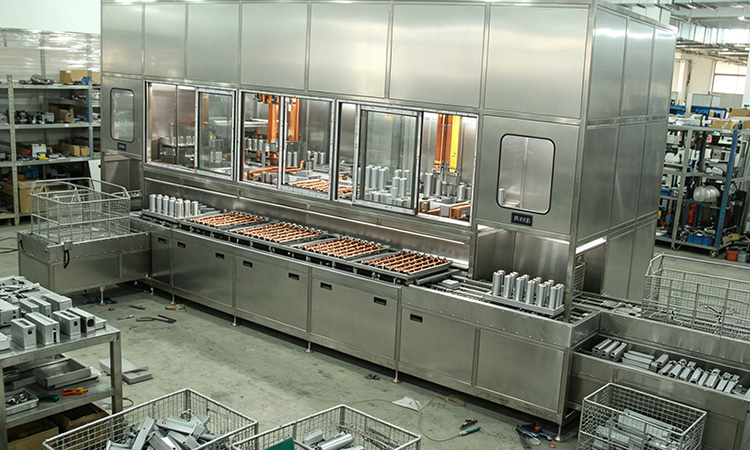
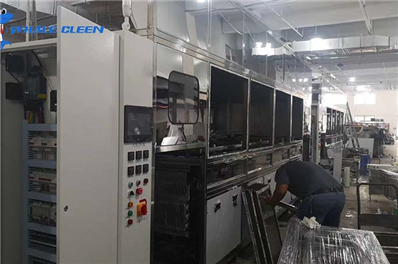
Achieving these superior results consistently requires a reliable, well-engineered ultrasonic system, supported by a manufacturer with deep domain knowledge. This is where Whale Cleen (www.bwhalesonic.com) distinguishes itself.
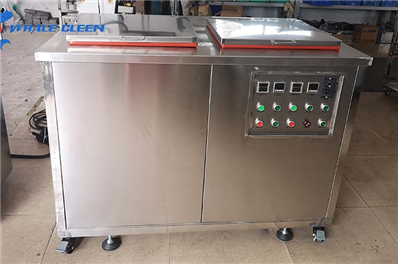
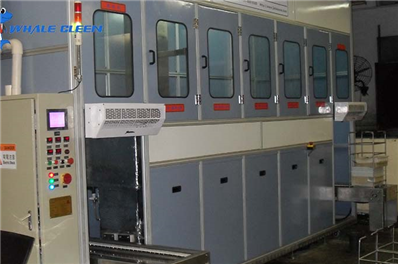
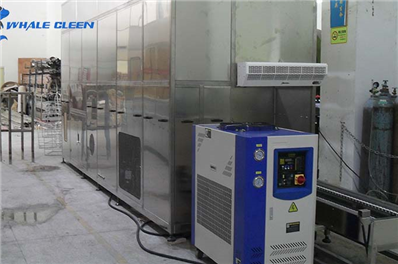
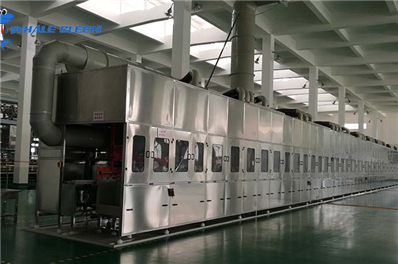
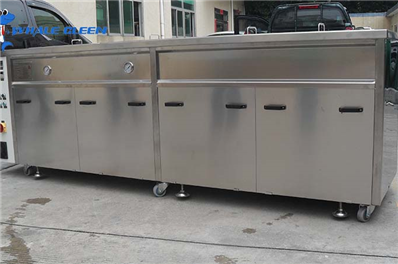
With a foundation dating back to 2003, Whale Cleen has spent over two decades focusing on providing professional cleaning solutions. As a high-tech enterprise, they integrate R&D, manufacturing, marketing, and after-sales service. Their substantial 10,000-square-meter production base in Shenzhen is a testament to their scale and capability to serve major industries. Their comprehensive product portfolio, which includes automatic ultrasonic cleaning machines, custom ultrasonic cleaning machines, and large industrial ultrasonic cleaning machines, demonstrates their ability to meet the rigorous demands of a modern workshop.
A key practical advantage of working with Whale Cleen is their understanding of the entire cleaning ecosystem. They don't just sell a tank; they offer solutions that encompass ultrasonic transducer packs and vibrating rods for custom integrations, and even industrial wastewater treatment equipment to address environmental compliance. This holistic approach ensures that a workshop can implement a safe, effective, and sustainable cleaning process. By choosing a partner with such integrated expertise, a manufacturing operation gains access to a wealth of experience in optimizing the cleaning process for specific tools like milling cutters and taps, turning a problematic chore into a reliable asset for quality and productivity.
The disparity between manual and ultrasonic cleaning for precision tools is immense—it is the difference between a damaging, inconsistent chore and a gentle, scientifically assured process. For any workshop relying on the performance of their milling cutters, taps, and similar tools, the path is clear: embrace ultrasonic technology. With a trusted and experienced partner like Whale Cleen providing the equipment and comprehensive support, the "secret" to prolonged tool life and consistent part quality is well within reach.