-
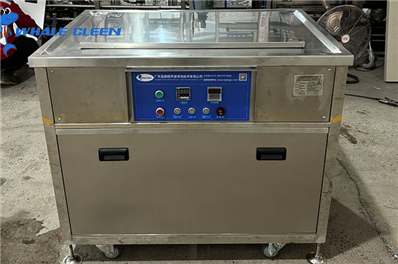 Determining Optimal Cleaning Time for Ultrasonic Cleaning of Aluminum Parts
Ultrasonic cleaning machines are widely used in various industries for cleaning metal parts, including aluminum components. Aluminum parts often accumulate contaminants such as oils, greases, metal fines, and oxides during manufacturing processes, which c
-
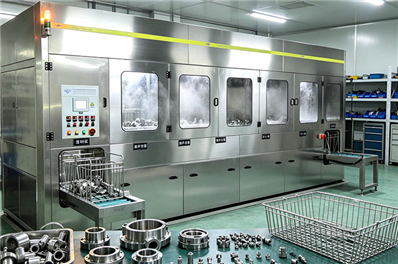 Industrial Ultrasonic Cleaning Machine: The Complete Solution for Manufacturing Precision Parts
In modern manufacturing, surface cleanliness is not merely an aesthetic consideration—it is a critical factor that directly impacts product performance, coating adhesion, and overall production yield. From automotive engine components and transmission par
-
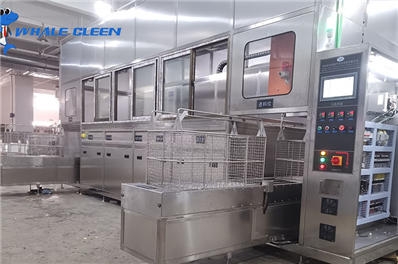 The Optimal Ultrasonic Cleaning Machine Frequency for Aluminum: A Professional Perspective
When it comes to cleaning aluminum parts using ultrasonic cleaning machines, selecting the appropriate frequency is crucial. Aluminum is a soft, lightweight, and malleable metal, making it susceptible to damage if not handled correctly. This article will
-
 Practical Tips for Using Ultrasonic Cleaners in Automotive Repair
Ultrasonic cleaners are invaluable tools in the automotive repair industry, providing an efficient and effective method for cleaning intricate and hard-to-reach parts. Utilizing high-frequency sound waves to agitate a cleaning solution, ultrasonic cleaner
-
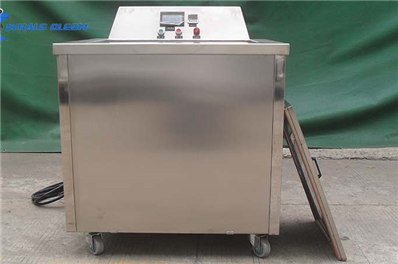 How to select the correct frequency for ultrasonic cleaning equipment
The cleaning effect of an industrial ultrasonic cleaning system depends on the high energy collapse of small cavitation bubbles formed by sound waves in cleaning fluid. When bubbles burst, they release a burst of energy that removes impurities and contami
-
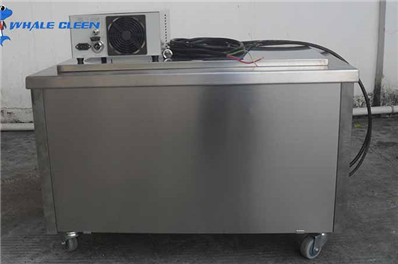 How to choose the right frequency for digital ultrasonic cleaners?
The cleaning effect of the industrial ultrasonic cleaning system depends on the high-energy collapse of the tiny air blow bubbles formed by the sound waves in the cleaning solution. When the bubbles are ruptured, they release the energy that burst in an i
-
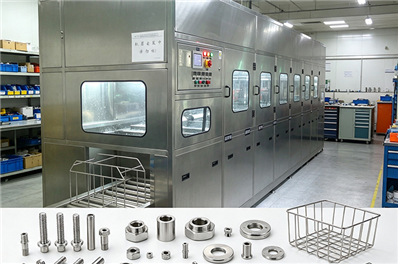 Ultrasonic Cleaning Machine: Why Disassemble Molds When You Can Clean Carbon Deposits in Minutes?
In industrial manufacturing, few maintenance tasks are as time-consuming and costly as mold cleaning. Production managers know the drill all too well: shutdown the line, wait for the mold to cool, disassemble every component, scrub stubborn carbon deposit
-
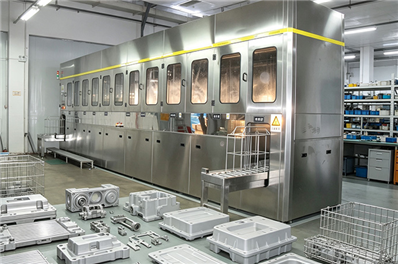 How Many Types of Electroplating Hardware Blanks Can One Ultrasonic Cleaning Machine Handle?
Walk into any hardware electroplating facility, and you will see a staggering variety of workpieces moving through the production line. Stamped brackets, machined housings, threaded fasteners, die-cast components, precision turned parts—each with its own
-
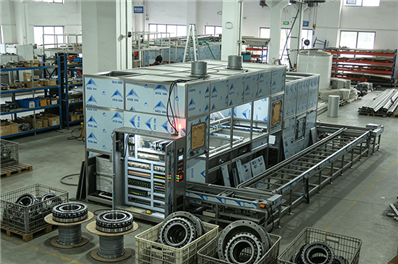 Ultrasonic Cleaning Machine: The Cost-Effective Solution for Mold Parts Cleaning
In the manufacturing industry, the cleaning of mold components—such as core pins, ejector pins, and intricate mold inserts—has long been a silent drain on production budgets. The costs are not limited to cleaning agents and labor; they extend to rejected
-
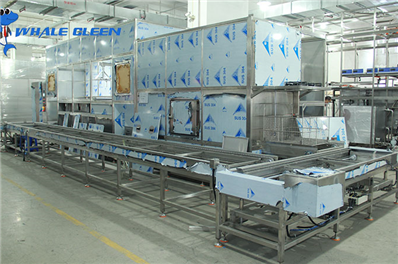 Hydraulic Valve Body Dead‑End Grease Is Hard to Remove – What Are the Practical Ultrasonic Cleaning Tips?
In any hydraulic system, the valve body is the command center. Its internal network of intersecting oil channels, precision spool bores, and tiny flow passages directs the flow, pressure, and direction of hydraulic fluid. A single valve body may contain d
-
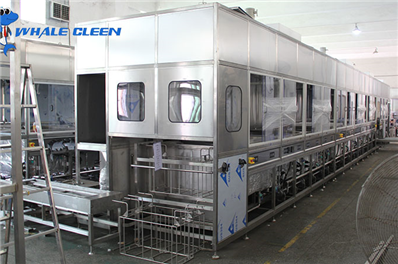 Precision Metal Stamping Parts Cleaning: Key Ultrasonic Equipment Selection Points — Why Whale Cleen Delivers Consistent, Damage‑Free Results
In high‑volume metal stamping production, cleaning is a process that is often underestimated—until it becomes the bottleneck. Stamped parts emerge from the press coated with heavy stamping oil, microscopic metal fines, and occasionally coolant residues. L
-
 New Standard for Engine Parts Cleaning: Why Top Factories Are Quietly Switching to Whale Cleen Ultrasonic
In the world of engine manufacturing and rebuilding, one truth remains constant: cleanliness is power. A cylinder head with clogged oil galleries, a crankshaft with residual grinding dust, or a piston ring groove packed with carbon – any of these can turn