-
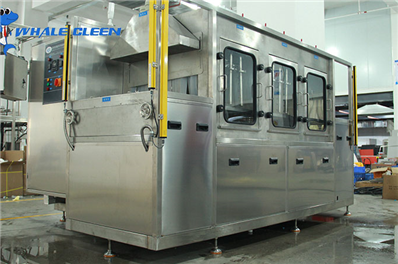 Why Is Ultrasonic Cleaning the Preferred Choice for Silicon Wafer Cleaning?
In semiconductor manufacturing, a single microscopic particle clinging to a silicon wafer surface can turn a high-value chip into scrap. As device geometries continue to shrink toward single-digit nanometer nodes, the tolerance for contamination has becom
-
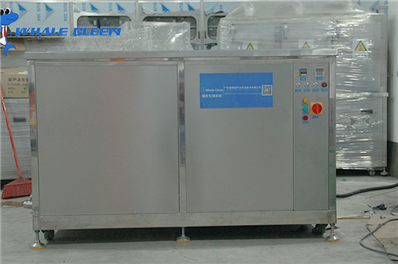 Cleaning Metal Mesh Filters: Ultrasonic Cleaning Machines for Removing Impurities, Particles, and Debris to Restore Filtration Efficiency and Lifespan
Cleaning metal mesh filters is a crucial step in restoring their filtration efficiency and extending their lifespan. Metal mesh filters often accumulate various impurities, particles, and debris on their surfaces over time, leading to a decline in filtrat
-
 Cleaning Metal Conveyor Belts: Enhancing Efficiency and Hygiene with Ultrasonic Cleaning
Metal conveyor belts are widely used in various industries for efficient material transportation. However, over time, these belts can accumulate dirt, grease, and particles on their surface and contact parts, leading to reduced performance and potential h
-
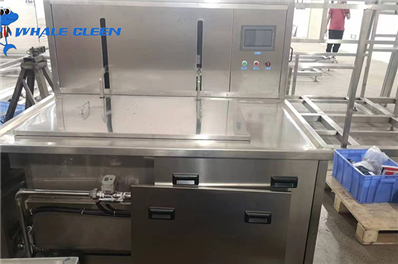 Application of Ultrasonic Cleaning Machines in Nanosensor Fabrication
Ultrasonic cleaning machines are widely used in the preparation of nanosensors due to their ability to effectively and efficiently clean delicate and sensitive surfaces. In this context, nanosensors refer to sensors with nanoscale dimensions or structures
-
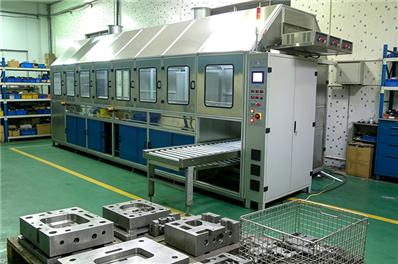 No Harsh Chemicals? How to Achieve Micron-Level Cleanliness for Nickel-Plated Substrates
You've dialed in the nickel plating bath chemistry. The temperature is right, the current density is optimized, and the dwell time is precisely controlled. Yet the plating still blisters. The cross-hatch test fails. The adhesion just isn't there.T
-
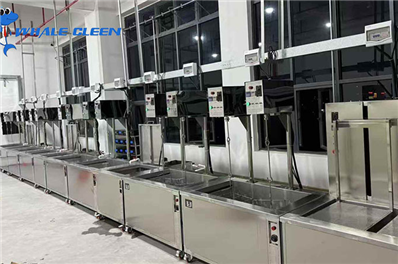 Vacuum Coating Pre-Cleaning: Dedicated Ultrasonic Cleaning Machines – A Head-to-Head Brand Comparison
In vacuum coating processes such as PVD (Physical Vapor Deposition) and CVD (Chemical Vapor Deposition), the quality of the final coating is directly determined by the cleanliness of the substrate. A single speck of oil, a microscopic particle, or a resid
-
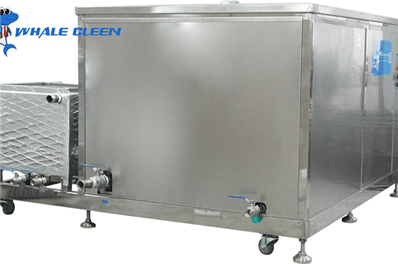 How Ultrasonic Cleaners Are Classified: A Comprehensive Guide to Types and Selection
Understanding Ultrasonic Cleaner Classification Criteria Ultrasonic cleaners are categorized by critical factors that determine their efficiency, compatibility, and suitability for specific tasks. Proper classification ensures optimal performance and l
-
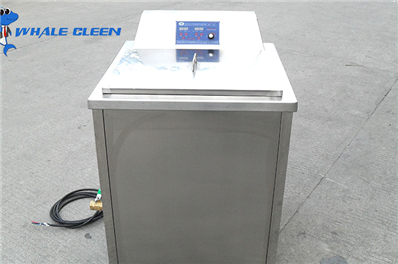 Enhancing Aerospace Equipment Performance with Ultrasonic Cleaning Technology
Aerospace equipment plays a pivotal role in space exploration, demanding unparalleled reliability and performance. Over time, environmental factors and various operational procedures before and after launch can lead to the accumulation of contaminants and
-
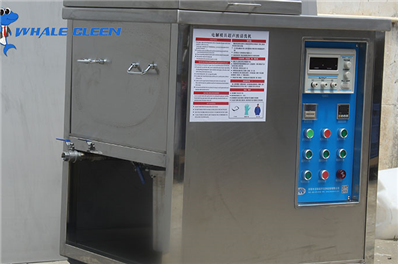 Ultrasonic Cleaning Machines: Enhancing Metal Parts Quality and Performance
Cleaning metal parts is an essential process to enhance their quality and performance. One effective method for achieving this is by utilizing ultrasonic cleaning machines. These machines utilize the power of ultrasonic waves to remove oil, dirt, and part
-
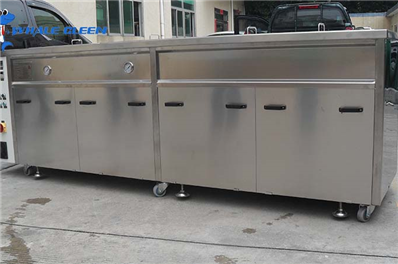 Ultrasonic Cleaning Machine for Blind Holes: How Whale Cleen Meets Strict Acceptance Standards
In precision manufacturing, the most difficult contamination is often the contamination you cannot see. Fine blind holes, narrow slots, threaded ports, and tight crevices can trap polishing dust, lapping residue, metal fines, and oil film. A part may look
-
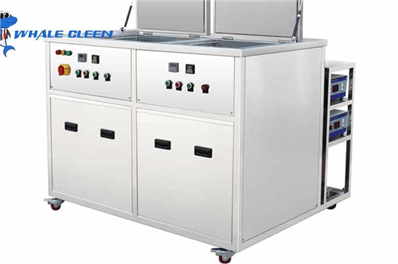 Stuck with Grinding Dust Embedded in Batch Workpiece Crevices? Manual Cleaning Is Draining Your Labor Budget and Driving Production Costs Through the Roof
Walk into any metalworking shop, stamping plant, or machining facility, and you will see the same scene repeated shift after shift: workers hunched over parts bins, scrubbing with brushes, picking at crevices with picks, blowing compressed air into blind
-
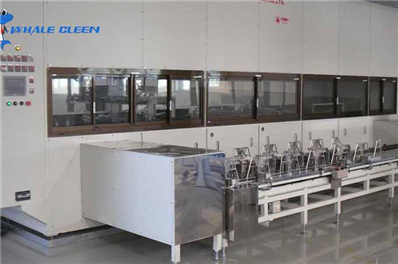 Same Ultrasonic Cleaning, Why Are Some Aerospace Fastener Yield Rates So Much Higher?
In aerospace manufacturing, few quality metrics are as unforgiving as fastener cleanliness. A single micro-fastener — a titanium alloy bolt, a high-strength steel screw, a threaded insert — can carry cutting fluids, lapping compounds, or microscopic metal