-
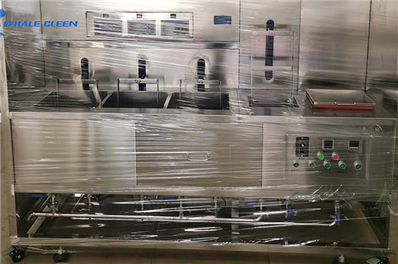 Ultrasonic Cleaner Lid Necessity: Safety, Efficiency, and Performance Explained
When you unbox your newultrasonic cleaner, the included lid might seem like a simple accessory—perhaps even an optional one. Many users are tempted to operate the machine without it, thinking it allows for better visibility or easier access. However, this
-
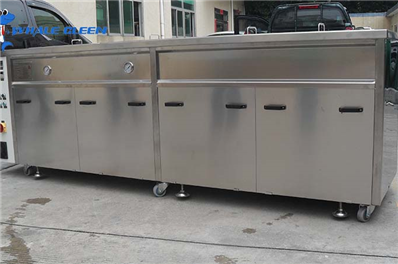 Ultrasonic Cleaning Machine for Blind Holes: How Whale Cleen Meets Strict Acceptance Standards
In precision manufacturing, the most difficult contamination is often the contamination you cannot see. Fine blind holes, narrow slots, threaded ports, and tight crevices can trap polishing dust, lapping residue, metal fines, and oil film. A part may look
-
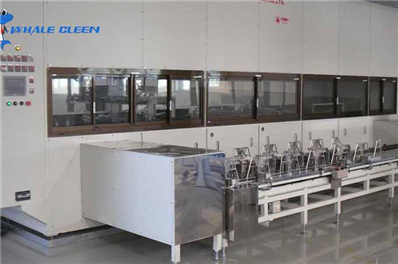 Same Ultrasonic Cleaning, Why Are Some Aerospace Fastener Yield Rates So Much Higher?
In aerospace manufacturing, few quality metrics are as unforgiving as fastener cleanliness. A single micro-fastener — a titanium alloy bolt, a high-strength steel screw, a threaded insert — can carry cutting fluids, lapping compounds, or microscopic metal
-
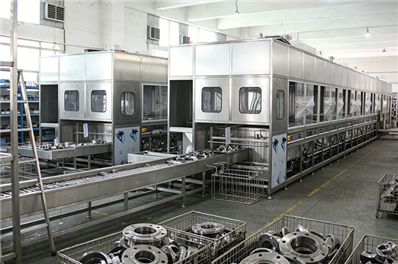 Batch Pneumatic Component Cleaning Fast and Reliable: How Ultrasonic Cleaning Works
Pneumatic components—valves, cylinders, manifolds, fittings—are the workhorses of automated production lines, material handling systems, and countless industrial machines. They depend on clean internal surfaces to seal properly, slide smoothly, and actuat
-
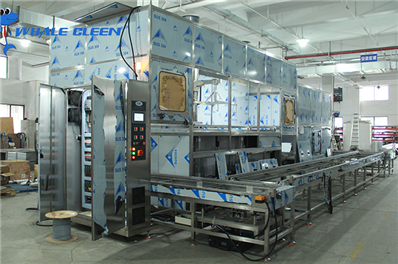 Want to Extend Turbine Disk Service Life? What Are the Key Selection Criteria for Ultrasonic Cleaning Machines?
In an aircraft engine overhaul shop, few components carry more weight—literally and metaphorically—than the turbine disk. Often described as the “backbone” of the engine, the turbine disk is a precision‑engineered component manufactured from nickel‑based
-
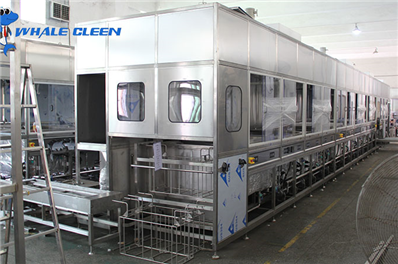 Precision Metal Stamping Parts Cleaning: Key Ultrasonic Equipment Selection Points — Why Whale Cleen Delivers Consistent, Damage‑Free Results
In high‑volume metal stamping production, cleaning is a process that is often underestimated—until it becomes the bottleneck. Stamped parts emerge from the press coated with heavy stamping oil, microscopic metal fines, and occasionally coolant residues. L
-
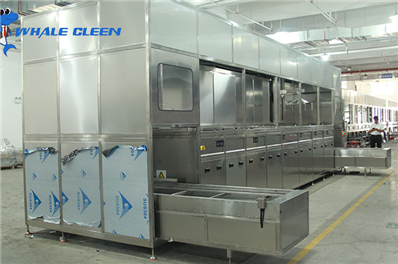 How to Choose a Fuel Injector Ultrasonic Cleaning Machine: A Practical Guide for Workshops and Engine Rebuilders
For automotive workshops, diesel service centers, and engine remanufacturing facilities, few problems are as common—and as frustrating—as clogged fuel injectors. Modern fuel injectors are precision components with microscopic spray holes (often 0.1–0.2 mm
-
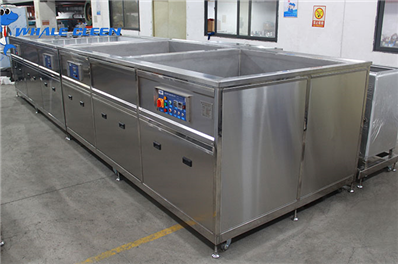 How to Choose a Fuel Injector Ultrasonic Cleaning Machine – A Practical Guide to Getting It Right
Fuel injectors are among the most precision-critical components in any modern engine. Over time, carbon deposits, varnish, and microscopic fuel residue accumulate inside the tiny orifices of the injector nozzle. These contaminants don't just reduce fu
-
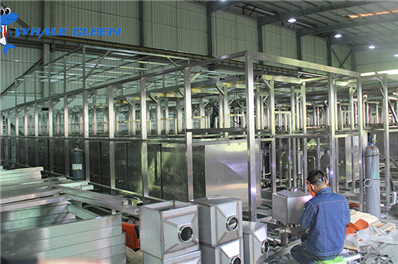 Batch Production Line: Practical Tips for Selecting Cylinder Block Cleaning Equipment – Featuring Whale Cleen Ultrasonic Technology
In high-volume manufacturing of engine blocks, cylinder heads, and similar castings, the cleaning process is not a secondary step—it is a critical bottleneck that directly impacts production throughput, component quality, and final assembly reliability. A
-
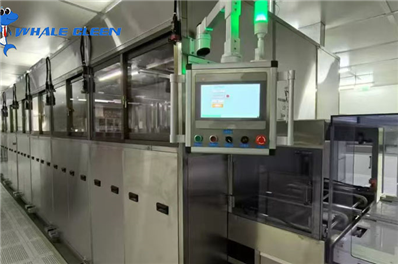 New Standard for Engine Parts Cleaning: Why Top Factories Are Quietly Switching to Whale Cleen Ultrasonic
In the world of engine manufacturing and rebuilding, one truth remains constant: cleanliness is power. A cylinder head with clogged oil galleries, a crankshaft with residual grinding dust, or a piston ring groove packed with carbon – any of these can turn
-
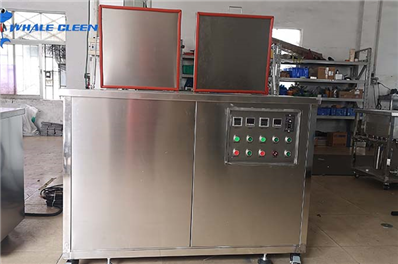 Production Capacity Stuck Because Cleaning Is Too Slow? Don't Let Your Cleaning Line Become the Factory's Bottleneck
Every production manager knows the feeling. You've optimized the machining center. You've streamlined assembly. You've even fine-tuned packaging. But somewhere in the middle of your production line, there's a bottleneck that no amount of s
-
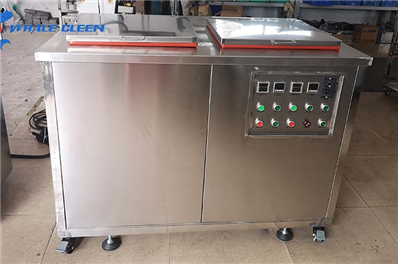 Cleaning Solution Splashing? Workers' Hands Getting Burned? That Primitive Cleaning Method Needs to Go—Whale cleen OEM/ODM Solutions
Walk into many manufacturing facilities, and you'll still see the same scene: a worker in rubber gloves, safety goggles, and a chemical-resistant apron, standing over an open tank of solvent. They're scrubbing parts with brushes, spraying with hig