-
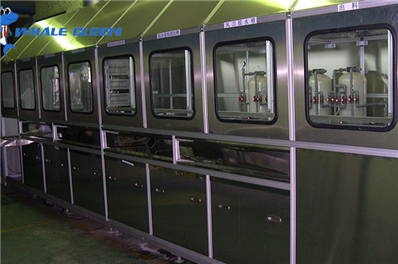 Optimal Trial Period for Ultrasonic Cleaning Machines: Balancing Evaluation and User Adaptation
The duration of a trial period for ultrasonic cleaning machines is a critical consideration that involves balancing the need for users to thoroughly evaluate the equipment's performance with the practicalities of adaptation and effectiveness assessmen
-
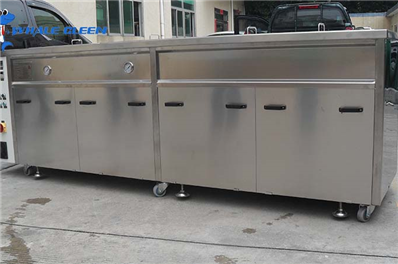 Ultrasonic Cleaning Machine for Blind Holes: How Whale Cleen Meets Strict Acceptance Standards
In precision manufacturing, the most difficult contamination is often the contamination you cannot see. Fine blind holes, narrow slots, threaded ports, and tight crevices can trap polishing dust, lapping residue, metal fines, and oil film. A part may look
-
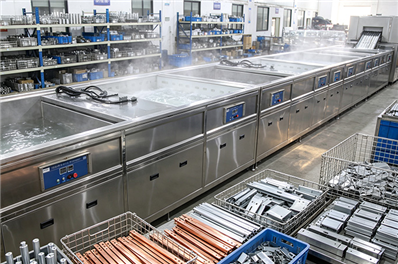 How to Select an Ultrasonic Cleaning Machine for Engine Cylinder Blocks
In heavy-duty equipment repair and engine remanufacturing, the cleaning of cylinder blocks is a critical and demanding task. These large, complex cast-iron or steel components contain intricate networks of oil galleries, water jackets, blind holes, and pr
-
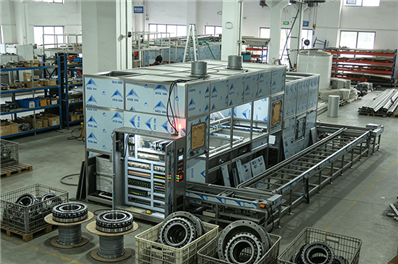 Ultrasonic Cleaning Machine: The Cost-Effective Solution for Mold Parts Cleaning
In the manufacturing industry, the cleaning of mold components—such as core pins, ejector pins, and intricate mold inserts—has long been a silent drain on production budgets. The costs are not limited to cleaning agents and labor; they extend to rejected
-
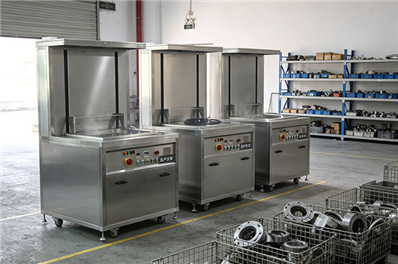 PCB Water Spots and White Residue After Cleaning? This Automated Ultrasonic Cleaner Saved Our Yield
For electronics manufacturers, few things are more frustrating than watching a batch of perfectly assembled PCBs emerge from the cleaning line covered in unsightly water spots and chalky white residues. The boards looked flawless before cleaning. Now they
-
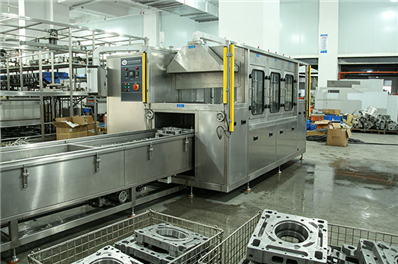 FPC Flexible Board Easily Damaged by Manual Cleaning? Finally, a Solution for High-Volume Degreasing
In electronics manufacturing, few components are as delicate—and as critical—as Flexible Printed Circuits (FPCs). Thin as paper, with trace widths often below 0.03mm, FPCs are the backbone of smartphones, wearables, tablets, and countless other compact de
-
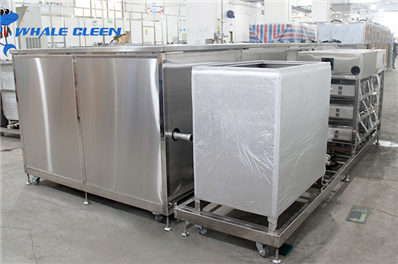 The Same Circuit Board, Different Results: Why Leading Electronics Manufacturers Are Switching to Industrial Ultrasonic Automatic Cleaning Machines
Look at the two PCBs. The first was cleaned with a manual brush and solvent dip. The second came from a fully automated ultrasonic cleaning line. To the naked eye, they look identical—solder joints shining, surfaces spotless, ready for assembly. But un
-
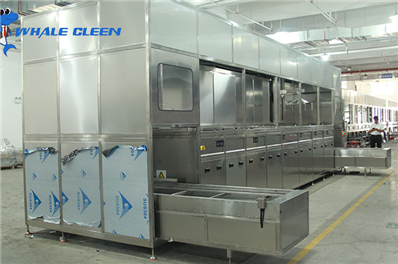 How to Choose a Fuel Injector Ultrasonic Cleaning Machine: A Practical Guide for Workshops and Engine Rebuilders
For automotive workshops, diesel service centers, and engine remanufacturing facilities, few problems are as common—and as frustrating—as clogged fuel injectors. Modern fuel injectors are precision components with microscopic spray holes (often 0.1–0.2 mm
-
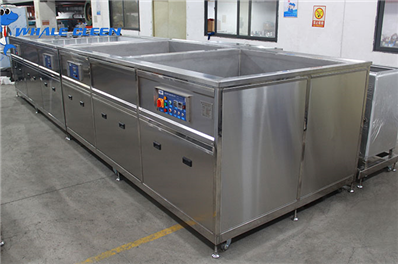 How to Choose a Fuel Injector Ultrasonic Cleaning Machine – A Practical Guide to Getting It Right
Fuel injectors are among the most precision-critical components in any modern engine. Over time, carbon deposits, varnish, and microscopic fuel residue accumulate inside the tiny orifices of the injector nozzle. These contaminants don't just reduce fu
-
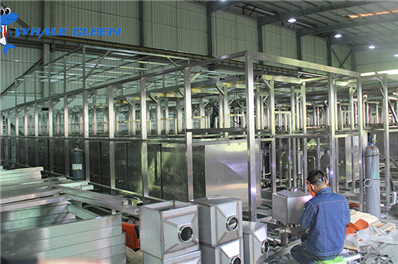 Batch Production Line: Practical Tips for Selecting Cylinder Block Cleaning Equipment – Featuring Whale Cleen Ultrasonic Technology
In high-volume manufacturing of engine blocks, cylinder heads, and similar castings, the cleaning process is not a secondary step—it is a critical bottleneck that directly impacts production throughput, component quality, and final assembly reliability. A
-
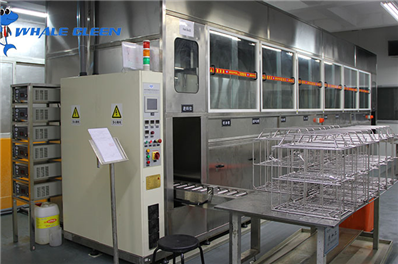 High-Cost-Performance Industrial Ultrasonic Cleaning Machine Brands: Avoid Common Selection Mistakes
In the world of industrial manufacturing, ultrasonic cleaning has become an essential process for ensuring product quality. From automotive parts and precision molds to metal components and electronic assemblies, the demand for reliable, efficient, and co
-
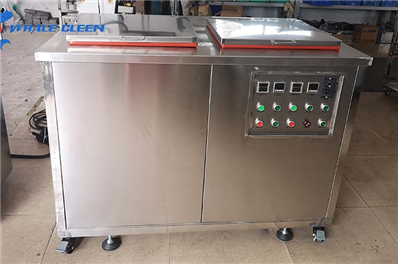 Cleaning Solution Splashing? Workers' Hands Getting Burned? That Primitive Cleaning Method Needs to Go—Whale cleen OEM/ODM Solutions
Walk into many manufacturing facilities, and you'll still see the same scene: a worker in rubber gloves, safety goggles, and a chemical-resistant apron, standing over an open tank of solvent. They're scrubbing parts with brushes, spraying with hig