-
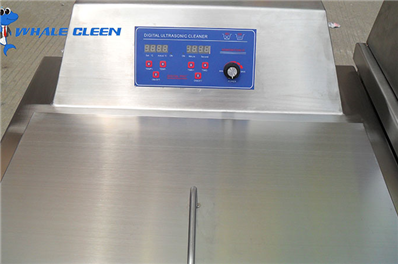 Efficient Clean Tool: The Application of Ultrasonic Cleaning Machine in Cosmetic Production
In the modern cosmetic production industry, ensuring product quality and adhering to stringent hygiene standards are paramount for maintaining a brand's reputation and market position. As the industry evolves, the cleaning process has become increasin
-
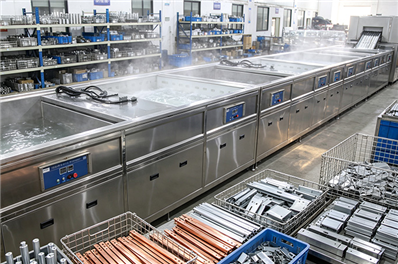 How to Select an Ultrasonic Cleaning Machine for Engine Cylinder Blocks
In heavy-duty equipment repair and engine remanufacturing, the cleaning of cylinder blocks is a critical and demanding task. These large, complex cast-iron or steel components contain intricate networks of oil galleries, water jackets, blind holes, and pr
-
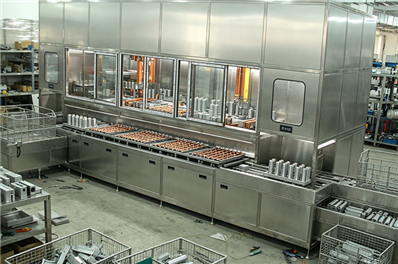 The Milling Cutter & Tap Cleaning Secret: Why Ultrasonic Outperforms Manual Methods
In any precision machining environment, the cleanliness of cutting tools like milling cutters and taps is directly linked to part quality, tool life, and production stability. Yet, the most common cleaning method—manual scrubbing with brushes, cloths, or
-
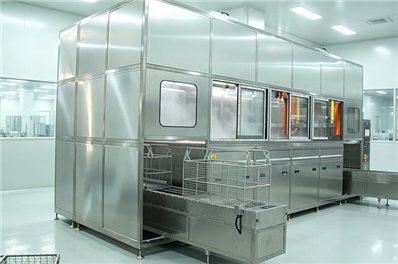 Precision Gauge Maintenance: How Ultrasonic Cleaning Avoids Costly Missteps
In the world of precision manufacturing, a precision gauge is the silent guardian of quality. Its dimensional accuracy dictates the fit, function, and safety of countless industrial products. Yet, a gauge's long-term accuracy isn't just a function
-
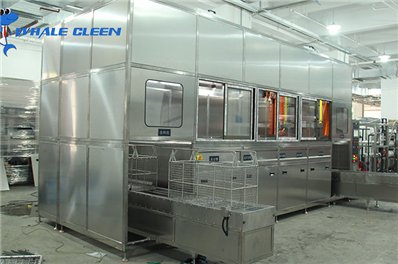 Metal Degreasing Without Strong Acid Soaking: The Hidden Cleaning Advantages of Ultrasonic Technology
In metal parts manufacturing, few processes carry as many hidden costs—and as many risks—as strong acid soaking for degreasing and rust removal. For decades, countless factories have relied on aggressive acid baths to strip oil, grease, and oxidation from
-
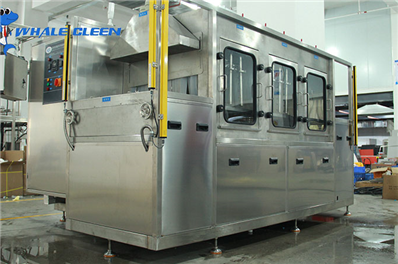 Why Is Ultrasonic Cleaning the Preferred Choice for Silicon Wafer Cleaning?
In semiconductor manufacturing, a single microscopic particle clinging to a silicon wafer surface can turn a high-value chip into scrap. As device geometries continue to shrink toward single-digit nanometer nodes, the tolerance for contamination has becom
-
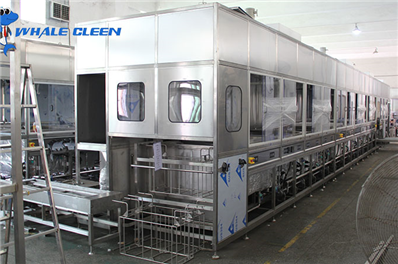 Precision Metal Stamping Parts Cleaning: Key Ultrasonic Equipment Selection Points — Why Whale Cleen Delivers Consistent, Damage‑Free Results
In high‑volume metal stamping production, cleaning is a process that is often underestimated—until it becomes the bottleneck. Stamped parts emerge from the press coated with heavy stamping oil, microscopic metal fines, and occasionally coolant residues. L
-
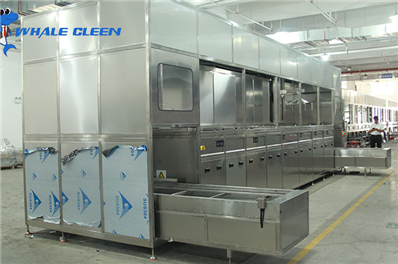 How to Choose a Fuel Injector Ultrasonic Cleaning Machine: A Practical Guide for Workshops and Engine Rebuilders
For automotive workshops, diesel service centers, and engine remanufacturing facilities, few problems are as common—and as frustrating—as clogged fuel injectors. Modern fuel injectors are precision components with microscopic spray holes (often 0.1–0.2 mm
-
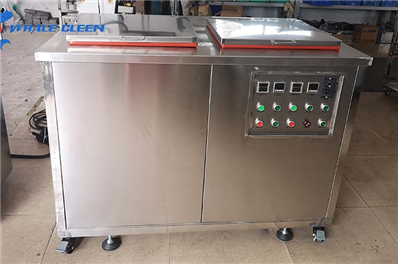 Cleaning Solution Splashing? Workers' Hands Getting Burned? That Primitive Cleaning Method Needs to Go—Whale cleen OEM/ODM Solutions
Walk into many manufacturing facilities, and you'll still see the same scene: a worker in rubber gloves, safety goggles, and a chemical-resistant apron, standing over an open tank of solvent. They're scrubbing parts with brushes, spraying with hig
-
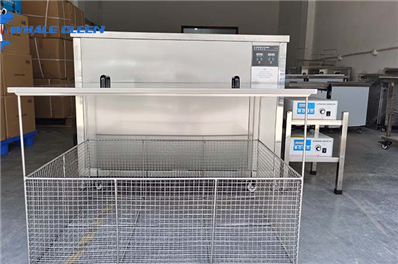 Non-Standard Workpieces with Unique Dimensions? Can’t Find the Right Equipment? A 20-Year Master Technician Specializes in Solving Every “Cleaning Challenge”
Every manufacturing engineer knows the feeling. You’ve sourced the perfect material, invested in precision machining, and built a production workflow that delivers quality. Then comes the cleaning stage—and suddenly, everything grinds to a halt.The part d
-
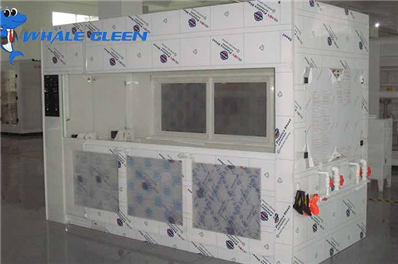 From Single‑Tank to Fully Automated: Where Is the Ceiling for Industrial Ultrasonic Cleaning Machines?
For decades, industrial cleaning was viewed as a necessary but straightforward step—a single tank of solvent, some ultrasonic waves, and a rinse. But as manufacturing tolerances have tightened and component complexity has increased, the question has shift
-
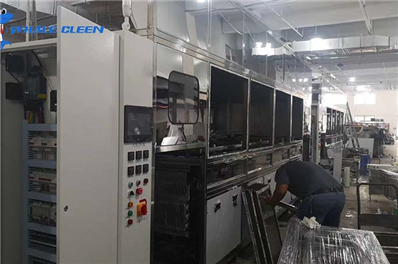 Struggling with Mold Residue That Compromises Part Quality? Discover Ultrasonic Cleaning Solutions
In precision manufacturing, the mold is the birthplace of your product. Every imperfection on the mold surface—every speck of carbon, every trace of resin, every microscopic oil residue—gets faithfully reproduced on every single part that emerges from it.