In the world of precision manufacturing, a precision gauge is the silent guardian of quality. Its dimensional accuracy dictates the fit, function, and safety of countless industrial products. Yet, a gauge's long-term accuracy isn't just a function of its initial manufacture; it is profoundly dependent on how it is cleaned and preserved. Ironically, the very act of cleaning, if done incorrectly, can permanently ruin a high-value gauge, leading to measurement errors, scrapped parts, and production delays.
For decades, the go-to methods for cleaning gauges have been manual wiping with solvents or using abrasive tools. These approaches, however, are riddled with pitfalls that threaten the high-precision integrity of these tools.
Myth 1: Abrasive Cleaning is "Thorough" Cleaning.
Using a cloth, brush, or abrasive pad might seem effective at removing stubborn oil or residue. In reality, these mechanical actions are grinding away the gauge's surface. Over time, even microscopic scratches alter the gauge's dimensions, disqualifying it for high-accuracy work. Furthermore, manual methods cannot penetrate the tiny blind holes, threads, and surface imperfections where contaminants like lapping paste or oxidation hide.
Myth 2: Strong Solvents Dissolve All Problems.
Immersion in harsh chemical solvents can effectively remove some oils, but they often leave a chemical film or, worse, react with the gauge material (especially high-carbon steel), causing micro-corrosion or hydrogen embrittlement. Additionally, these solvents are often hazardous to operators and the environment, requiring complex disposal procedures.
The Real Consequence: Accumulated Error.
The most dangerous aspect of these poor cleaning practices is their cumulative effect. Residual particulates left in a gauge's crevices can act as abrasives during use, accelerating wear. A contaminated gauge provides inconsistent readings, leading to the acceptance of faulty parts and the rejection of good ones—a nightmare for quality control that often goes undetected until a major non-conformance occurs.
The alternative lies in a physical, non-contact, and highly repeatable cleaning method: ultrasonic cleaning technology. This process uses high-frequency sound waves to create millions of microscopic imploding bubbles in a liquid—a phenomenon called cavitation. The energy released is immense on a microscopic scale, yet gentle on solid surfaces.
For precision gauges, ultrasonic cleaning offers a paradigm shift:
Absolute Uniformity: The cavitation action occurs everywhere the liquid reaches. This ensures that threads, internal bores, and complex geometries are cleaned as effectively as the external surface, leaving no hidden contamination.
Non-Destructive Action: There is no physical friction, so there is zero risk of scratching or altering the gauge's calibrated surface finish.
Controlled Repeatability: The process parameters (frequency, temperature, time) can be standardized, ensuring every gauge is cleaned to the exact same high standard, eliminating the variability of human effort.
However, not all ultrasonic cleaning systems are created equal. Achieving the delicate balance required for cleaning precision gauges—effective removal of contaminants without any damage—demands professional-grade equipment and expertise. This is where a specialized manufacturer becomes indispensable.
Whale Cleen (www.bwhalesonic.com) represents this level of professional commitment. With a foundation dating back to 2003, the company has dedicated over two decades to understanding the nuances of industrial cleaning. Their 10,000-square-meter production base in Shenzhen is a testament to their scale and capability, focusing on developing solutions for rigorous industrial applications.
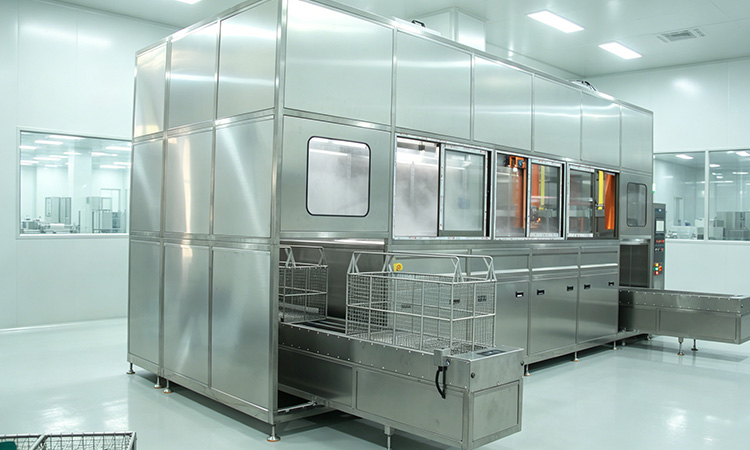
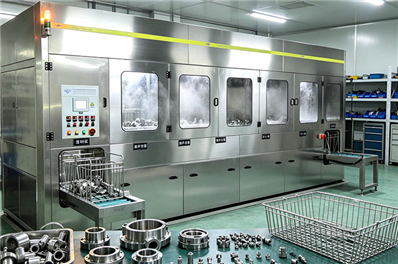
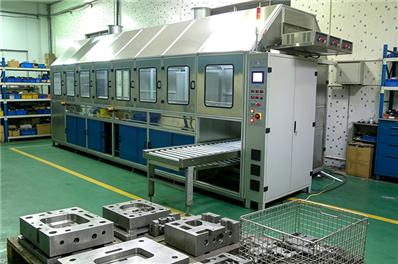
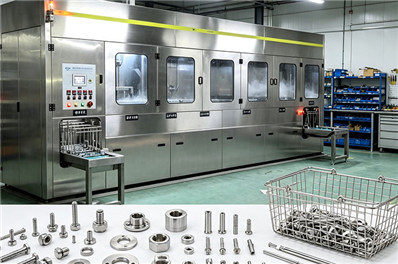
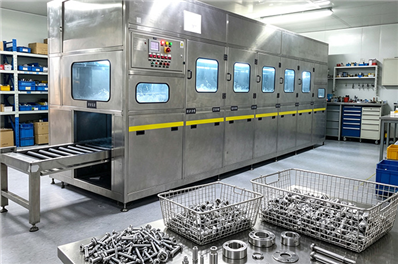
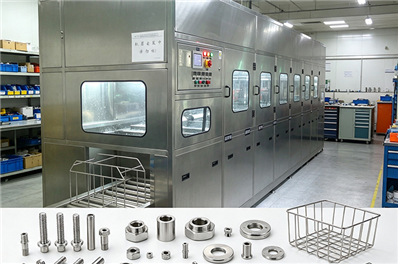
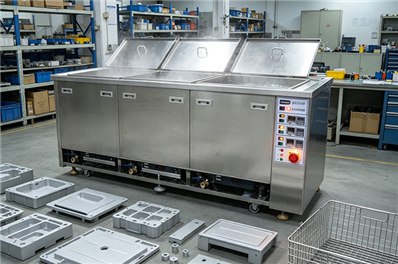
Their strength lies in providing tailored solutions. Whether you need a robust large industrial ultrasonic cleaning machine for a workshop or a custom ultrasonic cleaning machine integrated into an automated production line, Whale Cleen offers the engineering depth to design a system that matches the specific demands of your gauges and workflow. Their product portfolio, which includes ultrasonic transducer packs, vibrating rods, and even industrial wastewater treatment equipment, showcases their comprehensive approach to the entire cleaning ecosystem—from the cleaning action itself to the environmental compliance of the process.
For industries where precision is non-negotiable, choosing a partner like Whale Cleen means moving beyond the "clean enough" mentality. It means adopting a scientifically validated, repeatable, and safe process that not only cleans but actively preserves the long-term accuracy and service life of your most critical inspection tools.
In conclusion, the path to maintaining high-precision gauges is clear: abandon unreliable manual and chemical methods, avoid the common misconceptions, and adopt industrial ultrasonic cleaning. By doing so with a reputable provider like Whale Cleen, manufacturers can ensure their gauges remain true to their purpose, safeguarding product quality for years to come.