-
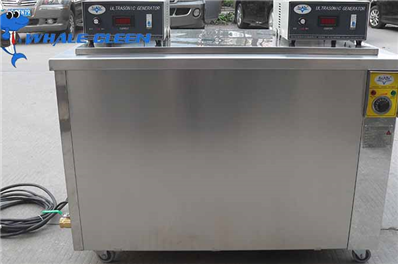 How to Check for Electrical Leakage in an Ultrasonic Cleaner
Ultrasonic cleaners are widely used in industries, laboratories, and even households for precision cleaning. However, like any electrical appliance, they can develop faults over time, including electrical leakage, which poses serious safety risks. This gu
-
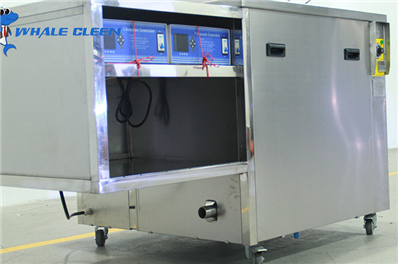 Why Do Ultrasonic Cleaners Leak Electricity? Causes, Effects, and Solutions
Ultrasonic cleaners are widely utilized in industries, laboratories, and medical facilities due to their efficiency and precision in cleaning delicate components. However, users occasionally encounter an alarming issue: electrical leakage. Understanding t
-
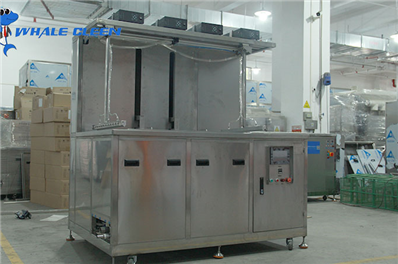 Optimizing Transducer Voltage in Ultrasonic Cleaning Machines
Ultrasonic cleaning machines are widely utilized in various industries for their efficacy in removing contaminants from surfaces. The voltage applied to the transducer, a crucial component responsible for converting electrical energy into mechanical vibra
-
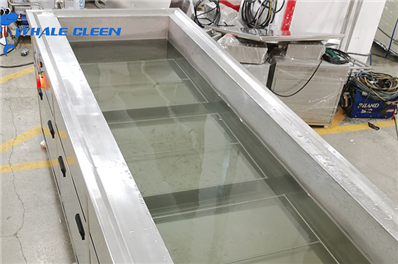 How to Disable Heating in Ultrasonic Cleaners: A Comprehensive Guide
I. Reasons to Disable Heating 1. Application Scenarios Temperature-sensitive materials: Plastics (deformation risk above 50°C) Biological samples (prot
-
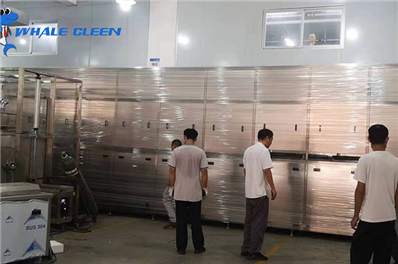 Voltage Requirements for Ultrasonic Cleaning Machines in the United States
In the United States, the voltage requirement for ultrasonic cleaning machines typically aligns with the standard industrial power supply, which is predominantly supplied at either 120 volts (V) or 208-240 volts (V) alternating current (AC). These voltage
-
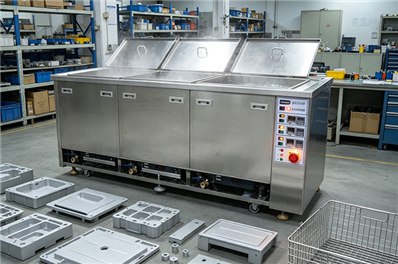 Ultrasonic Electrolytic Cleaning for Molds: Eliminate Gas Coke and Toner Residue That Causes Yellowing and Flow Marks
The Persistent Mold Contamination Problem In injection molding, the mold is the heart of production. But over time, even the best-maintained molds accumulate stubborn contaminants that no amount of wiping or solvent dipping can fully remove. Two of the
-
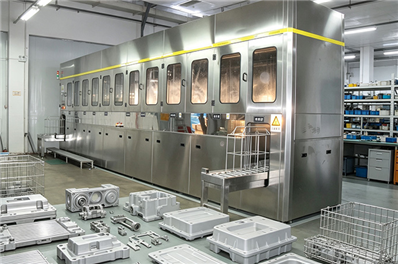 How Many Types of Electroplating Hardware Blanks Can One Ultrasonic Cleaning Machine Handle?
Walk into any hardware electroplating facility, and you will see a staggering variety of workpieces moving through the production line. Stamped brackets, machined housings, threaded fasteners, die-cast components, precision turned parts—each with its own
-
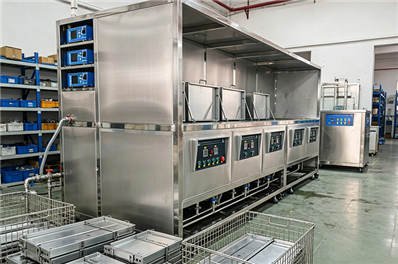 Ultrasonic Cleaning Machine: The Only Way to Eliminate Cutting Oil Sludge from Deep Grooves and Restore Plating Adhesion
For metal finishing shops and precision component manufacturers, few quality failures are as financially devastating as plating rejection caused by inadequate pre-cleaning.The scenario is painfully familiar. A batch of precision-machined components—hydrau
-
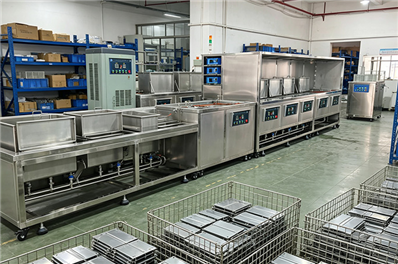 Ultrasonic Cleaning Machine: The Definitive Solution for Rust and Oil Contamination That Spray Cleaning Leaves Behind
In metal parts manufacturing and heavy equipment maintenance, few scenarios are as frustrating—and as costly—as the inspection failure that follows an inadequate cleaning process.The scenario plays out in workshops every day: a batch of precision metal co
-
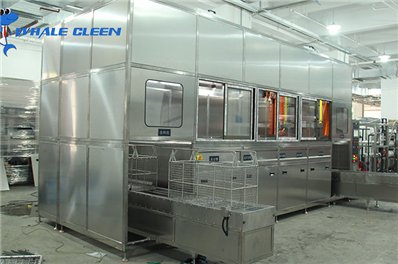 Metal Degreasing Without Strong Acid Soaking: The Hidden Cleaning Advantages of Ultrasonic Technology
In metal parts manufacturing, few processes carry as many hidden costs—and as many risks—as strong acid soaking for degreasing and rust removal. For decades, countless factories have relied on aggressive acid baths to strip oil, grease, and oxidation from
-
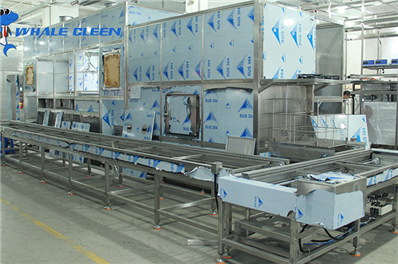 Ultrasonic Cleaning Machine for Aerospace Components: From High-Risk Traditional Methods to Non-Contact Degreasing That Safeguards Flight Safety
In the high-stakes world of aviation maintenance, cleaning is far from a routine chore — it is a direct pillar of flight safety. A single turbine blade contaminated with baked-on carbon deposits, a fuel nozzle with partially clogged orifices, or a hydraul
-
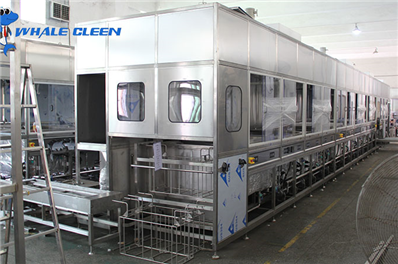 Precision Metal Stamping Parts Cleaning: Key Ultrasonic Equipment Selection Points — Why Whale Cleen Delivers Consistent, Damage‑Free Results
In high‑volume metal stamping production, cleaning is a process that is often underestimated—until it becomes the bottleneck. Stamped parts emerge from the press coated with heavy stamping oil, microscopic metal fines, and occasionally coolant residues. L