-
 How to Simply Test an Ultrasonic Cleaner: A Step-by-Step Guide
1. Why Regular Testing is Important Common Signs of a Faulty Ultrasonic Cleaner Weak or no cleaning action Unusual noises (buzzing, rattling) Overheating or inconsistent performance Visible da
-
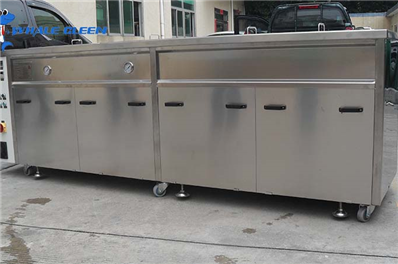 Ultrasonic Cleaning Machine for Blind Holes: How Whale Cleen Meets Strict Acceptance Standards
In precision manufacturing, the most difficult contamination is often the contamination you cannot see. Fine blind holes, narrow slots, threaded ports, and tight crevices can trap polishing dust, lapping residue, metal fines, and oil film. A part may look
-
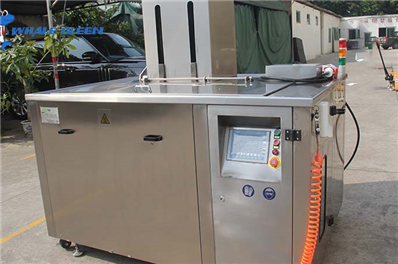 How Ultrasonic Cleaning Reaches the Thread Roots of Micro-Fasteners for Deep Chip and Oil Removal
In precision manufacturing, few challenges are as persistent—or as costly—as cleaning micro-fasteners. Screws, bolts, and threaded inserts with diameters under M2 feature intricate geometries: narrow thread valleys, blind holes, and sharp internal corners
-
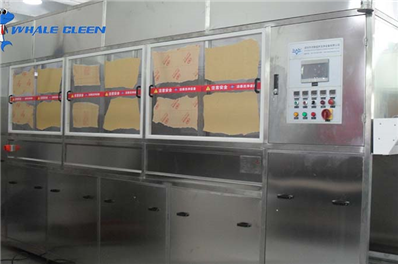 Ultrasonic Cleaning Machine: Solving the Batch Cleanliness Inconsistency Crisis in Aerospace Fastener Manufacturing
In aerospace manufacturing, a single contaminated fastener can compromise an entire assembly. Threaded surfaces trap machining oils, metal chips, and microscopic particulates that, if not completely removed, directly affect torque values, joint integrity,
-
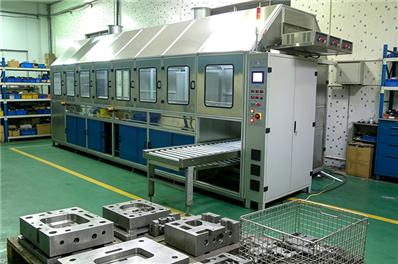 No Harsh Chemicals? How to Achieve Micron-Level Cleanliness for Nickel-Plated Substrates
You've dialed in the nickel plating bath chemistry. The temperature is right, the current density is optimized, and the dwell time is precisely controlled. Yet the plating still blisters. The cross-hatch test fails. The adhesion just isn't there.T
-
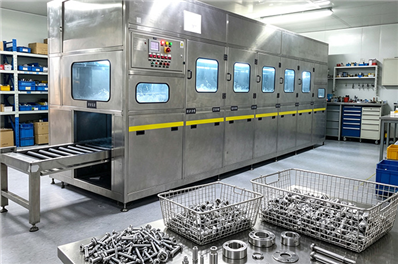 Ultrasonic vs. Electrolytic Ultrasonic Cleaning: What's the Real Difference in Metal Finishing Cleanliness?
In metal finishing and electroplating operations, cleanliness is not just a quality metric—it is the foundation upon which adhesion, corrosion resistance, and final product performance are built. A single speck of oil residue on a stamped metal part can c
-
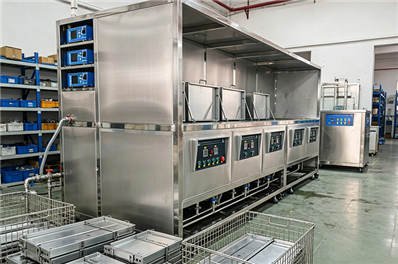 Ultrasonic Cleaning Machine: The Only Way to Eliminate Cutting Oil Sludge from Deep Grooves and Restore Plating Adhesion
For metal finishing shops and precision component manufacturers, few quality failures are as financially devastating as plating rejection caused by inadequate pre-cleaning.The scenario is painfully familiar. A batch of precision-machined components—hydrau
-
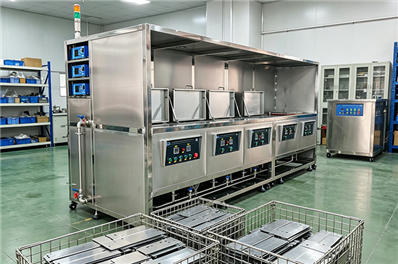 Ultrasonic Cleaning Machine: Breaking the Production Bottleneck When Piles of Oily, Chip-Covered Parts Stall Your Shop Floor
Walk into almost any machining workshop, and you will see the same scene: pallets stacked high with freshly machined parts, their surfaces glistening with cutting oil and clinging to metal chips, grinding dust, and microscopic debris. The parts are ready
-
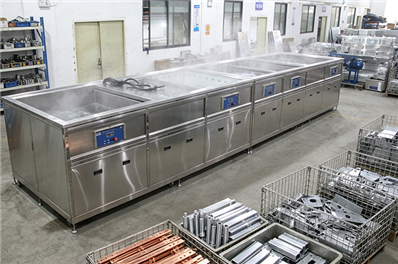 Ultrasonic Cleaning Machine for Shaft Parts: A Specialized Solution for Precision Components
In mechanical manufacturing and heavy industry, shaft parts—such as transmission shafts, motor rotors, hydraulic piston rods, and bearing rollers—are fundamental components that demand the highest standards of cleanliness. These precision-machined parts o
-
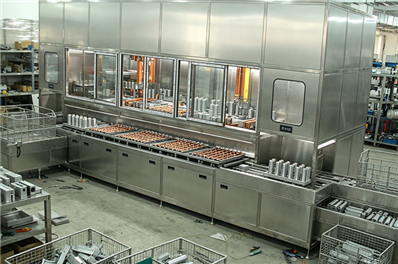 The Milling Cutter & Tap Cleaning Secret: Why Ultrasonic Outperforms Manual Methods
In any precision machining environment, the cleanliness of cutting tools like milling cutters and taps is directly linked to part quality, tool life, and production stability. Yet, the most common cleaning method—manual scrubbing with brushes, cloths, or
-
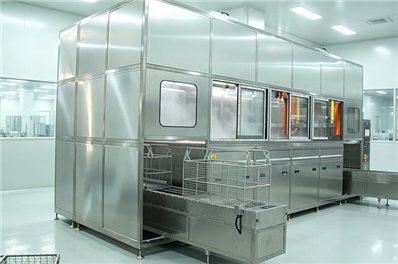 Precision Gauge Maintenance: How Ultrasonic Cleaning Avoids Costly Missteps
In the world of precision manufacturing, a precision gauge is the silent guardian of quality. Its dimensional accuracy dictates the fit, function, and safety of countless industrial products. Yet, a gauge's long-term accuracy isn't just a function
-
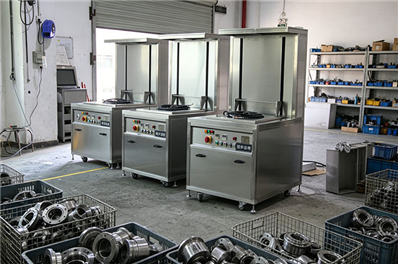 From Dirty to Spotless: How Long Does Ultrasonic Automatic Cleaning Take for a Multilayer PCB?
Walk onto the floor of any PCB assembly shop, and you will see it: boards fresh off the soldering line, covered in flux residues, ionic contaminants, and microscopic debris. The clock is ticking. Production schedules depend on getting these boards clean—f