-
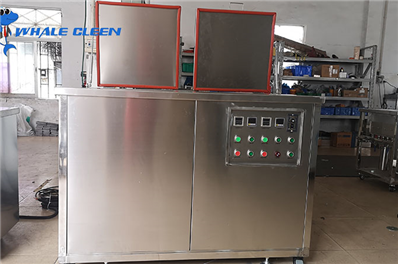 Enhancing Reliability and Flight Safety: Cleaning Metal Aerospace Components with Ultrasonic Cleaning Machine
Cleaning metal aerospace components: Ultrasonic cleaning machine for removing dirt, corrosion, and oxide layers from the surface of metal aerospace components to ensure their reliability and flight safety. In the aerospace industry, the cleanliness and
-
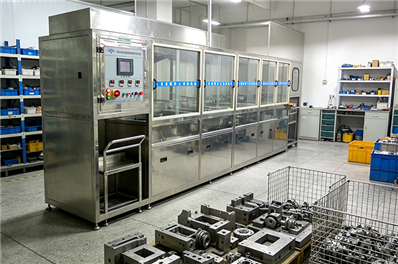 One Ultrasonic Machine, Three Critical Cleaning Tasks – Can It Really Handle Silicon Material, Solar Cells, and Terminal Blocks in One Go?
In photovoltaic manufacturing, semiconductor fabrication, and electronic component production, cleaning is never a single-step affair. Different materials, different contaminants, and different surface sensitivities demand different approaches – or so the
-
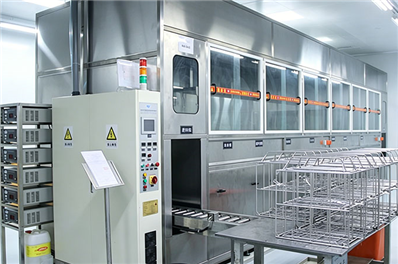 Precision Bearings Prone to Chipping and Scratching? Automated Ultrasonic Cleaning Machine Avoids Component Damage
Precision bearings are the lifeblood of modern mechanical transmission systems—from automotive drivetrains and high-speed machining spindles to aerospace actuators and industrial gearboxes. Yet, in countless workshops and production lines, the delicate ta
-
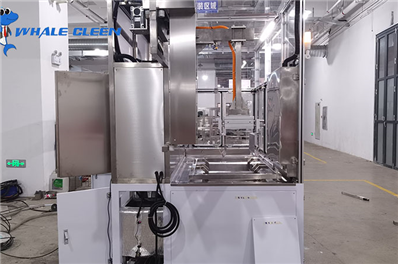 What is a Nano Ultrasonic Cleaning Machine? An In-depth Overview
1. Introduction Ultrasonic cleaning technology has been widely used in various industries for cleaning delicate and complex parts. From jewelry and precision instruments to medical devices and automotive components, ultrasonic cleaners offer high effic
-
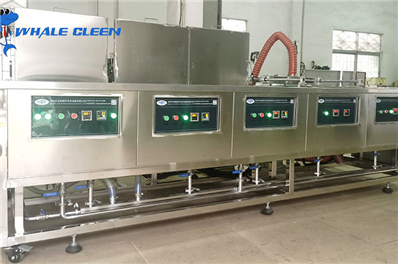 Ultrasonic Cleaning Machines: An Efficient Solution for Automotive Parts Cleaning
In the automotive industry, parts cleaning is a crucial step in ensuring the proper functioning, durability, and safety of various components. The cleaning process often needs to be thorough yet gentle enough to avoid damaging sensitive parts. Traditional
-
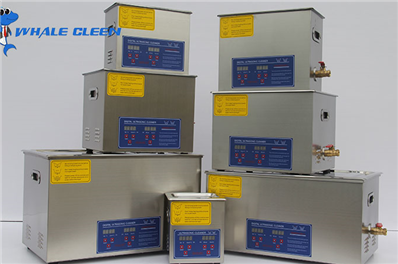 Ultrasonic Cleaning Technology: Elevating Hygiene Standards in Food Packaging Equipment
In the realm of food packaging, ensuring the highest standards of hygiene is paramount. Ultrasonic cleaning technology has emerged as a powerful and innovative solution to elevate hygiene levels in food packaging equipment. This article delves into the ad
-
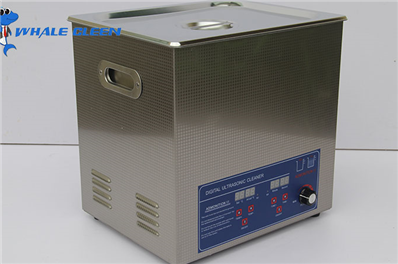 Ultrasonic Cleaning Technology: Addressing Cleaning Challenges in New Materials Manufacturing
With the increasing prevalence of new materials in manufacturing, the industry faces unprecedented challenges in ensuring the cleanliness and quality of these materials. Traditional cleaning methods often fall short of meeting the high standards required
-
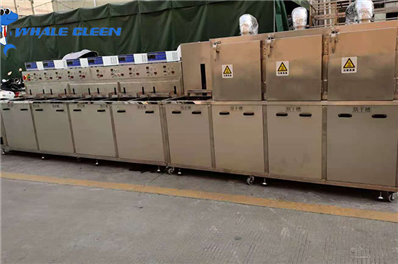 Ultrasonic Cleaning Machines: Pioneering Industry-Leading Technology for High-Standard Cleaning
In the realm of manufacturing and production, achieving high standards of cleanliness is a critical factor in ensuring product quality. Ultrasonic cleaning technology stands out as an industry-leading and highly efficient method that excels not only in re
-
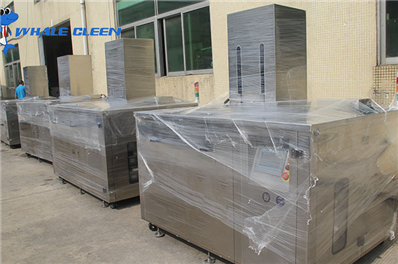 Ultrasonic Cleaning Machine: Restoring the Clear Brilliance of Glass and Metal Products
Cleaning glass and metal products is crucial to maintain their pristine appearance. The ultrasonic cleaning machine, as an efficient tool, plays a significant role in restoring the clear brilliance of glass and metal products. In this article, we will exp
-
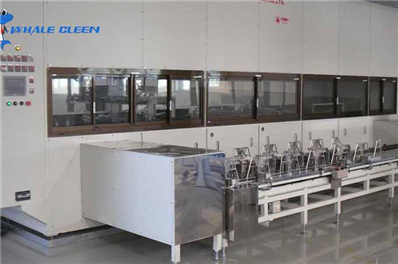 Same Ultrasonic Cleaning, Why Are Some Aerospace Fastener Yield Rates So Much Higher?
In aerospace manufacturing, few quality metrics are as unforgiving as fastener cleanliness. A single micro-fastener — a titanium alloy bolt, a high-strength steel screw, a threaded insert — can carry cutting fluids, lapping compounds, or microscopic metal
-
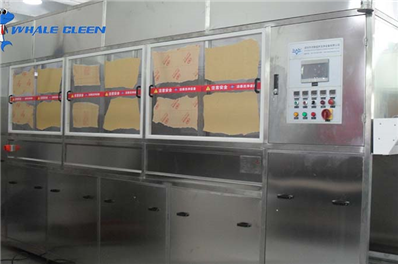 Ultrasonic Cleaning Machine: Solving the Batch Cleanliness Inconsistency Crisis in Aerospace Fastener Manufacturing
In aerospace manufacturing, a single contaminated fastener can compromise an entire assembly. Threaded surfaces trap machining oils, metal chips, and microscopic particulates that, if not completely removed, directly affect torque values, joint integrity,
-
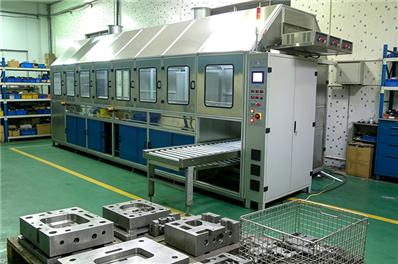 No Harsh Chemicals? How to Achieve Micron-Level Cleanliness for Nickel-Plated Substrates
You've dialed in the nickel plating bath chemistry. The temperature is right, the current density is optimized, and the dwell time is precisely controlled. Yet the plating still blisters. The cross-hatch test fails. The adhesion just isn't there.T