-
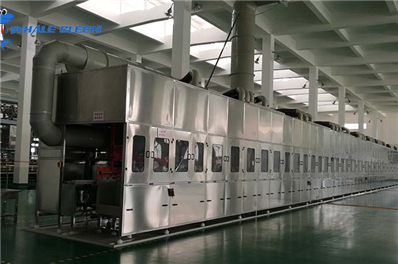 Ultrasonic Cleaning Machine Solves High-Volume Mold Release Oil and Oxidation Scale Cleaning
Manual wiping consumes labor hours, and when facing large batches of workpieces with mold release oil and oxidation scale, it quickly becomes overwhelming. In die-casting, forging, stamping, and machining operations, parts often leave production with a co
-
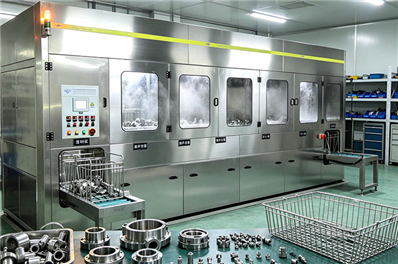 Industrial Ultrasonic Cleaning Machine: The Complete Solution for Manufacturing Precision Parts
In modern manufacturing, surface cleanliness is not merely an aesthetic consideration—it is a critical factor that directly impacts product performance, coating adhesion, and overall production yield. From automotive engine components and transmission par
-
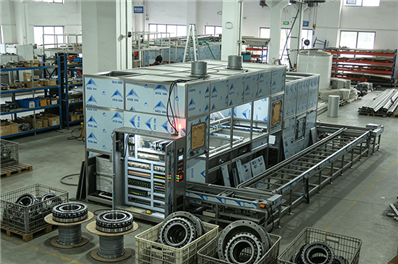 Ultrasonic Cleaning Machine: The Cost-Effective Solution for Mold Parts Cleaning
In the manufacturing industry, the cleaning of mold components—such as core pins, ejector pins, and intricate mold inserts—has long been a silent drain on production budgets. The costs are not limited to cleaning agents and labor; they extend to rejected
-
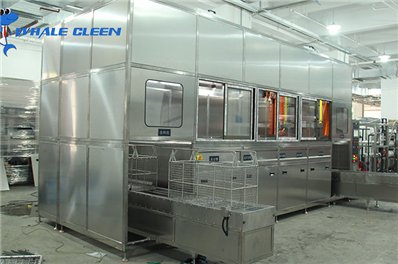 Metal Degreasing Without Strong Acid Soaking: The Hidden Cleaning Advantages of Ultrasonic Technology
In metal parts manufacturing, few processes carry as many hidden costs—and as many risks—as strong acid soaking for degreasing and rust removal. For decades, countless factories have relied on aggressive acid baths to strip oil, grease, and oxidation from
-
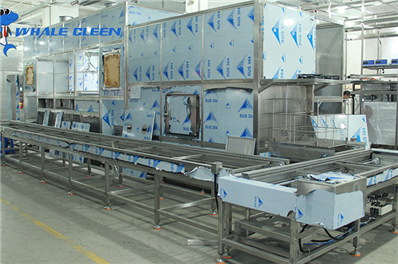 Ultrasonic Cleaning Machine for Aerospace Components: From High-Risk Traditional Methods to Non-Contact Degreasing That Safeguards Flight Safety
In the high-stakes world of aviation maintenance, cleaning is far from a routine chore — it is a direct pillar of flight safety. A single turbine blade contaminated with baked-on carbon deposits, a fuel nozzle with partially clogged orifices, or a hydraul
-
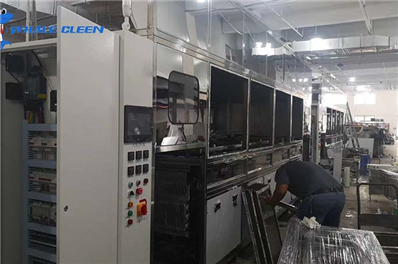 Struggling with Mold Residue That Compromises Part Quality? Discover Ultrasonic Cleaning Solutions
In precision manufacturing, the mold is the birthplace of your product. Every imperfection on the mold surface—every speck of carbon, every trace of resin, every microscopic oil residue—gets faithfully reproduced on every single part that emerges from it.
-
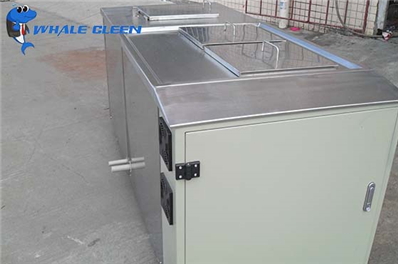 Why Do Ultrasonic Cleaners Use 28kHz Frequency? The Science Behind the Power Setting
When shopping for an ultrasonic cleaner, you'll quickly encounter a key specification: frequency. Among the most common options is28kHz. This number isn't arbitrary; it represents a deliberate engineering choice that makes this frequency a powerho
-
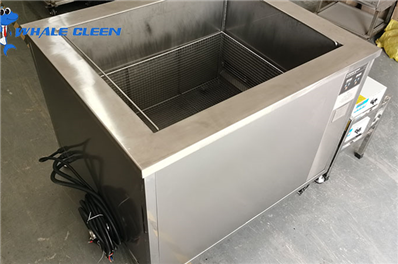 How Ultrasonic Cleaners Meet the Cleaning Needs of Sanitary Ware: A Professional Overview
The maintenance and cleaning of sanitary ware, which includes bathroom fixtures like sinks, toilets, bathtubs, and faucets, are crucial for both aesthetic and hygiene reasons. Traditional cleaning methods, such as manual scrubbing or using harsh chemical
-
 A New Approach to Industrial Equipment Cleaning: An In-Depth Analysis of Ultrasonic Cleaning Machines
In the realm of industrial maintenance, ensuring that equipment is clean and functioning optimally is crucial for productivity, longevity, and safety. Traditional methods of cleaning often involve manual labor, chemical solvents, or abrasive techniques th
-
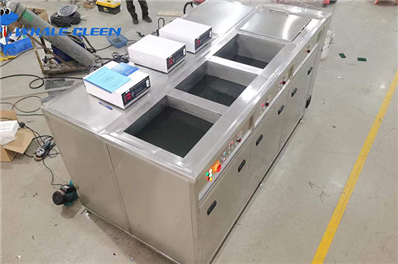 Ultrasonic Cleaning Equipment: The Preferred Choice for Cleaning Plastic Molds
In the highly specialized world of plastic mold manufacturing and maintenance, the cleanliness and precision of molds play a pivotal role in ensuring high-quality end products. Traditional cleaning methods, though effective to some extent, often fall shor
-
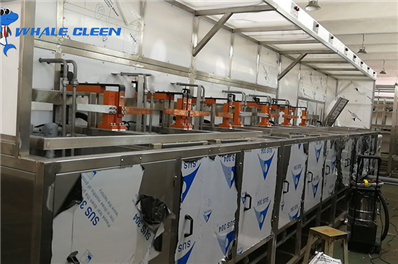 Ultrasonic Cleaning Systems: A Robust Solution for Efficiently Cleaning Plastic Products
In the realm of modern industrial processes, the widespread application of plastic products necessitates a keen focus on cleanliness and quality. The surfaces of plastic items, molded through processes such as injection molding, extrusion molding, or blow
-
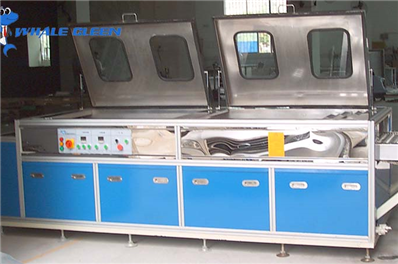 Application of Ultrasonic Cleaning Machines in Toy Manufacturing Industry and Cleaning Methods
Ultrasonic cleaning technology is widely used in various industries, including the toy manufacturing industry. Ultrasonic cleaning machines use high-frequency sound waves to create microscopic bubbles in a cleaning solution. These bubbles form and implode