-
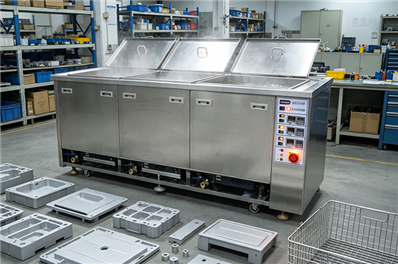 Ultrasonic Electrolytic Cleaning for Molds: Eliminate Gas Coke and Toner Residue That Causes Yellowing and Flow Marks
The Persistent Mold Contamination Problem In injection molding, the mold is the heart of production. But over time, even the best-maintained molds accumulate stubborn contaminants that no amount of wiping or solvent dipping can fully remove. Two of the
-
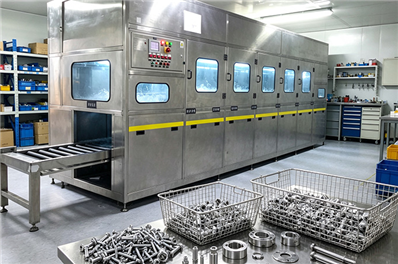 Ultrasonic vs. Electrolytic Ultrasonic Cleaning: What's the Real Difference in Metal Finishing Cleanliness?
In metal finishing and electroplating operations, cleanliness is not just a quality metric—it is the foundation upon which adhesion, corrosion resistance, and final product performance are built. A single speck of oil residue on a stamped metal part can c
-
 How to Thoroughly Remove Micro‑Pore Contaminants in Hydraulic Components? This Ultrasonic Equipment Has Become the Industry Standard
In hydraulic system manufacturing, there is a scenario that plays out repeatedly in quality inspection rooms: A valve body passes every dimensional check, assembles perfectly, and ships to the customer. Then, after a few hundred operating hours, the syste
-
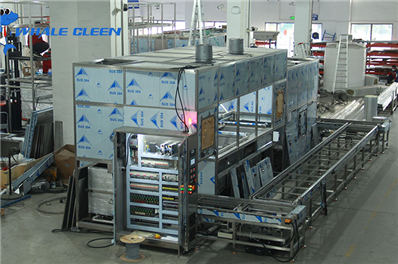 Fuel Nozzle Deep Degreasing Challenge: How Ultrasonic Cleaning Machines Remove Internal Deposits
Fuel nozzles are among the most precision-critical components in any engine—whether for diesel rail systems, gasoline direct injection, or gas turbines. Over their service life, three distinct contaminants accumulate inside the nozzle structure:Coked carb
-
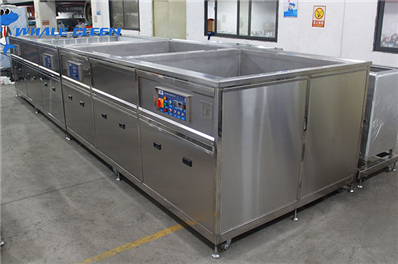 How to Choose a Fuel Injector Ultrasonic Cleaning Machine – A Practical Guide to Getting It Right
Fuel injectors are among the most precision-critical components in any modern engine. Over time, carbon deposits, varnish, and microscopic fuel residue accumulate inside the tiny orifices of the injector nozzle. These contaminants don't just reduce fu
-
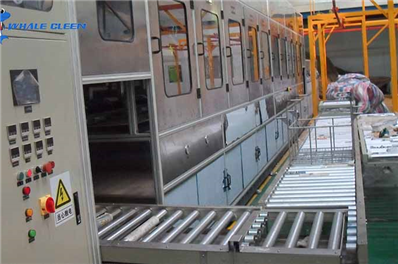 Why Do Ultrasonic Cleaners Heat Up? The Science Behind Temperature Rise and Practical Solutions
Ultrasonic cleaners have become essential tools in various industries, from jewelry cleaning to industrial parts maintenance. Many users notice that during operation, the cleaning solution and the device itself gradually heat up. This phenomenon often rai
-
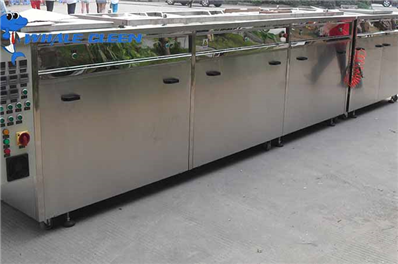 How to Identify Fake Ultrasonic Cleaners: The Ultimate Authentication Guide
Shocking Fact: Lab tests show 1 in 3 budget "ultrasonic cleaners" are completely non-functional! Learn to spot counterfeits before they damage your valuables. Core Identification Methods 1.Transducer Inspection (The Heart of the Machin
-
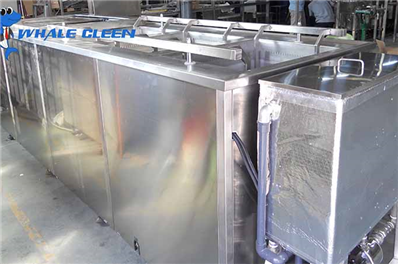 Ultrasonic Cleaner Intensity Testing: 5 Proven Methods for Accurate Measurement
1. Why Test Ultrasonic Cleaner Intensity? Impact on cleaning efficiency: Low intensity = poor contaminant removal; excessive intensity = part damage Industry standards: ISO 17223:2014 for ultrasonic power measurement
-
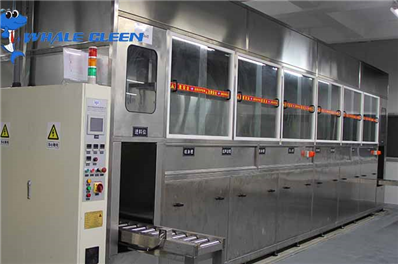 How to Reduce Ultrasonic Cleaner Noise: Effective Solutions and Practical Tips
Ultrasonic cleaners are widely used in industries, laboratories, and medical facilities for their efficient cleaning capabilities. However, the noise they produce (typically 65-85 dB) can be disruptive and even harmful with prolonged exposure. Understandi
-
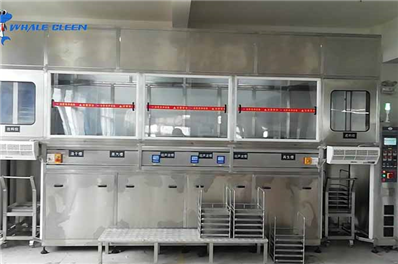 How to Properly Position an Ultrasonic Cleaner? Complete Placement Guide for Optimal Performance
Proper placement of your ultrasonic cleaner significantly impacts its efficiency, safety, and longevity. Whether for home use or industrial applications, following correct positioning guidelines ensures maximum cleaning performance while preventing potent
-
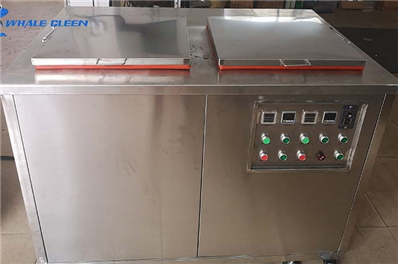 Stubborn Oil in Blind Holes & Microholes? Try Ultrasonic Cleaners for Degreasing and Descaling Before Electroplating
Conclusion: Blind-hole oil is hard to remove mostly because liquid cannot enter and residue cannot drain out, not because the oil itself is difficult to stripFor blind hole cleaning, degreasing and oxide removal should be separated into two sequential sta
-
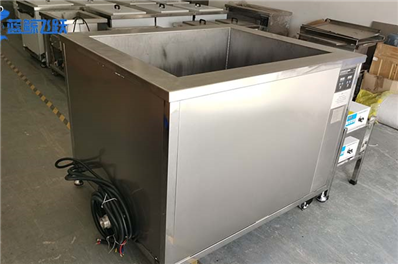 Industrial Ultrasonic Cleaning Machine: Reliable Precision Cleaning Solution from Whale Cleen
Facing stubborn machining coolant residue and precision part damage from traditional washing? Many manufacturers still rely on manual scrubbing or high-pressure spray to remove cutting oil, coolant residue and fine metal chips. These old methods struggle