-
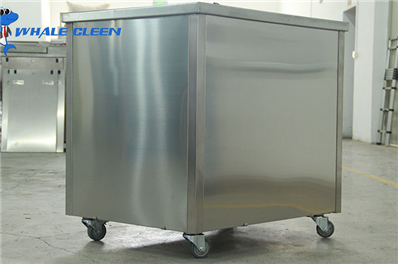 Material Damage in Ultrasonic Cleaning Equipment: Causes and Mitigation Strategies
Ultrasonic cleaning equipment is a type of device that uses the power of microbubble explosions generated by ultrasonic waves to achieve cleaning purposes. During the cleaning process, factors such as theenergy densityofultrasonic wavesand the physical an
-
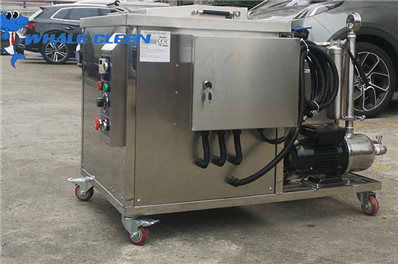 How to Choose Ultrasonic Cleaner Power: The Ultimate Guide to Avoid "Bigger is Better" Pitfalls
When shopping for an ultrasonic cleaner, have you ever been overwhelmed by the variety of power ratings—40W, 80W, 120W, 300W, and beyond?Is higher wattage always better? Too weak, and cleaning is ineffective; too strong, and delicate items may get damaged
-
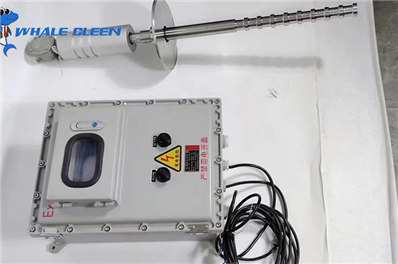 Applications of Ultrasonic Vibrating Probe in Precision Manufacturing: Innovating Processes and Enhancing Efficiency
In today's competitive manufacturing landscape, improving production efficiency and product quality stands as the ultimate goal for businesses. Ultrasonic technology, with its innovative applications, particularly in precision manufacturing, has garne
-
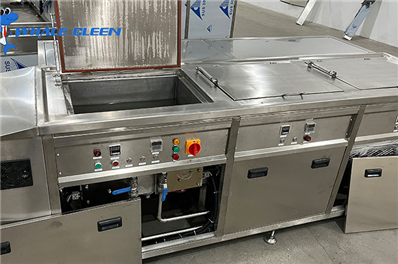 Cleaning Pressure in Ultrasonic Cleaning Equipment: Optimization and Considerations
Ultrasonic cleaning equipment utilizes the application of pressure during the cleaning process, known as cleaning pressure. The cleaning pressure in ultrasonic cleaning devices plays a crucial role in achieving efficient and effective cleaning results whi
-
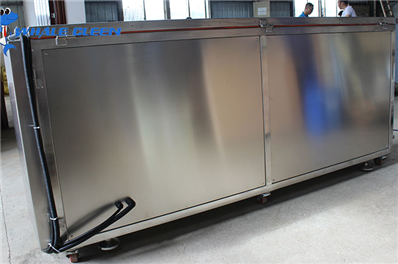 Advancements in Ultrasonic Cleaning Technology: Enhancing Efficiency and Effectiveness
Ultrasonic cleaning technology has undergone significant innovations in recent years, leading to improved performance and enhanced cleaning capabilities. This article explores the advancements in ultrasonic cleaning technology, highlighting key innovation
-
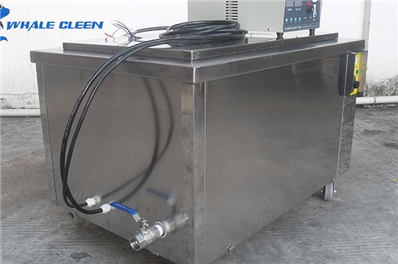 The advantages of automatic ultrasonic cleaning machine
The full-automatic ultrasonic cleaning machine is one kind of equipment that utilizes high-frequency vibration, and the cavitation action principle to carry on the cleaning of the object, its working principle is: the high-frequency signal sent by the tra
-
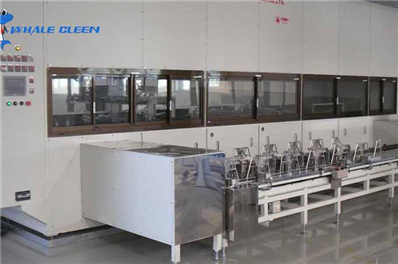 Same Ultrasonic Cleaning, Why Are Some Aerospace Fastener Yield Rates So Much Higher?
In aerospace manufacturing, few quality metrics are as unforgiving as fastener cleanliness. A single micro-fastener — a titanium alloy bolt, a high-strength steel screw, a threaded insert — can carry cutting fluids, lapping compounds, or microscopic metal
-
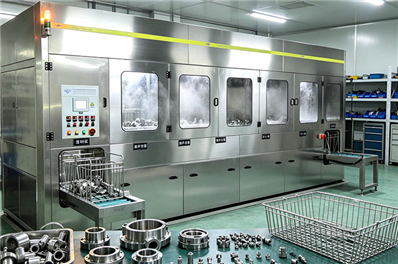 Industrial Ultrasonic Cleaning Machine: The Complete Solution for Manufacturing Precision Parts
In modern manufacturing, surface cleanliness is not merely an aesthetic consideration—it is a critical factor that directly impacts product performance, coating adhesion, and overall production yield. From automotive engine components and transmission par
-
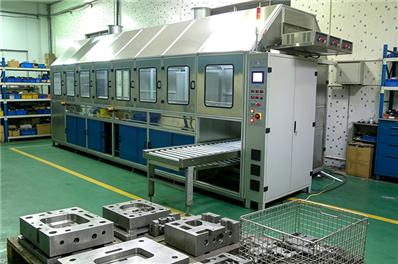 No Harsh Chemicals? How to Achieve Micron-Level Cleanliness for Nickel-Plated Substrates
You've dialed in the nickel plating bath chemistry. The temperature is right, the current density is optimized, and the dwell time is precisely controlled. Yet the plating still blisters. The cross-hatch test fails. The adhesion just isn't there.T
-
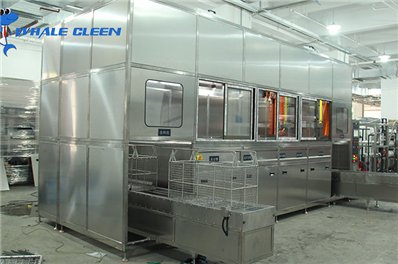 Metal Degreasing Without Strong Acid Soaking: The Hidden Cleaning Advantages of Ultrasonic Technology
In metal parts manufacturing, few processes carry as many hidden costs—and as many risks—as strong acid soaking for degreasing and rust removal. For decades, countless factories have relied on aggressive acid baths to strip oil, grease, and oxidation from
-
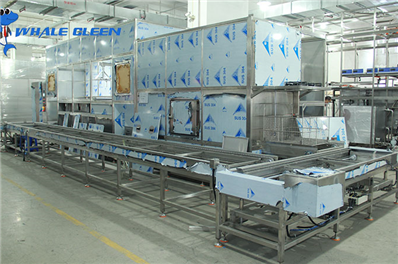 Hydraulic Valve Body Dead‑End Grease Is Hard to Remove – What Are the Practical Ultrasonic Cleaning Tips?
In any hydraulic system, the valve body is the command center. Its internal network of intersecting oil channels, precision spool bores, and tiny flow passages directs the flow, pressure, and direction of hydraulic fluid. A single valve body may contain d
-
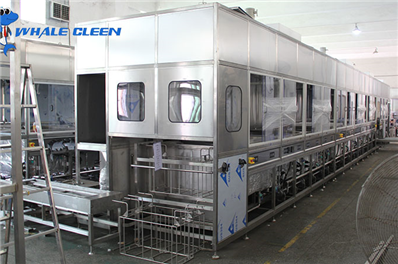 Precision Metal Stamping Parts Cleaning: Key Ultrasonic Equipment Selection Points — Why Whale Cleen Delivers Consistent, Damage‑Free Results
In high‑volume metal stamping production, cleaning is a process that is often underestimated—until it becomes the bottleneck. Stamped parts emerge from the press coated with heavy stamping oil, microscopic metal fines, and occasionally coolant residues. L