-
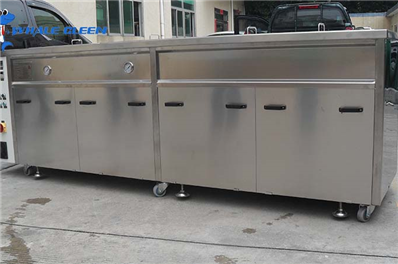 Ultrasonic Cleaning Machine for Blind Holes: How Whale Cleen Meets Strict Acceptance Standards
In precision manufacturing, the most difficult contamination is often the contamination you cannot see. Fine blind holes, narrow slots, threaded ports, and tight crevices can trap polishing dust, lapping residue, metal fines, and oil film. A part may look
-
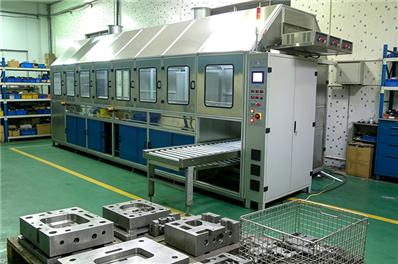 No Harsh Chemicals? How to Achieve Micron-Level Cleanliness for Nickel-Plated Substrates
You've dialed in the nickel plating bath chemistry. The temperature is right, the current density is optimized, and the dwell time is precisely controlled. Yet the plating still blisters. The cross-hatch test fails. The adhesion just isn't there.T
-
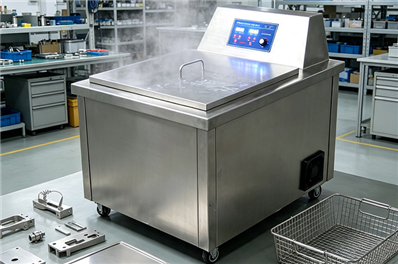 Ultrasonic Cleaning Machine: How Powerful Is It Really? A Shocking Test in Hardware Electroplating Pretreatment
If you have ever walked through a hardware electroplating line, you have seen the frustration firsthand. Parts come out of the bath with patches of peeling plating. Edges look dull. Blind holes show signs of uneven coverage. The plating bath chemistry is
-
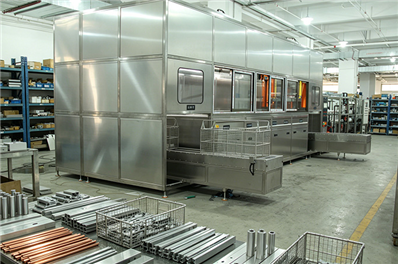 One Automatic Ultrasonic Cleaning Machine: How to Handle Milling Cutters, Calipers, and Taps with Ease
In a typical machining workshop, the tool and gauge cabinet is a study in diversity. You will find high-speed steel milling cutters with sharp, complex flutes; precision calipers with delicate measuring faces and rack teeth; and hardened taps with intrica
-
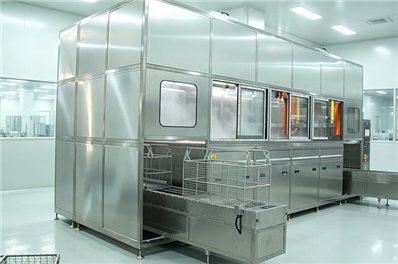 Precision Gauge Maintenance: How Ultrasonic Cleaning Avoids Costly Missteps
In the world of precision manufacturing, a precision gauge is the silent guardian of quality. Its dimensional accuracy dictates the fit, function, and safety of countless industrial products. Yet, a gauge's long-term accuracy isn't just a function
-
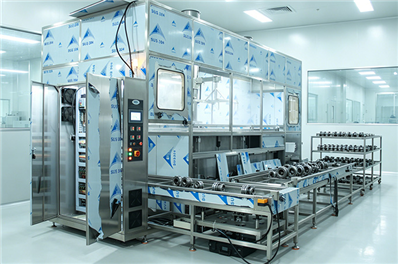 Thread Tap Residue Ruining Precision? How Ultrasonic Cleaning Eliminates Cutting Paste Without Damaging Thread Accuracy
In precision machining, few operations are as demanding as thread tapping. The cutting paste—a thick blend of lubricants, extreme-pressure additives, and fine abrasive particles—is essential for protecting taps and achieving clean thread profiles. But aft
-
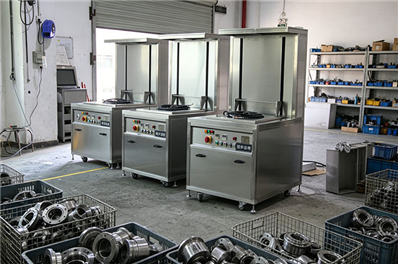 From Dirty to Spotless: How Long Does Ultrasonic Automatic Cleaning Take for a Multilayer PCB?
Walk onto the floor of any PCB assembly shop, and you will see it: boards fresh off the soldering line, covered in flux residues, ionic contaminants, and microscopic debris. The clock is ticking. Production schedules depend on getting these boards clean—f
-
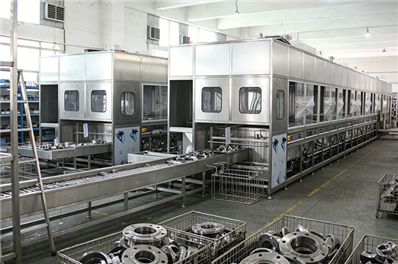 Batch Pneumatic Component Cleaning Fast and Reliable: How Ultrasonic Cleaning Works
Pneumatic components—valves, cylinders, manifolds, fittings—are the workhorses of automated production lines, material handling systems, and countless industrial machines. They depend on clean internal surfaces to seal properly, slide smoothly, and actuat
-
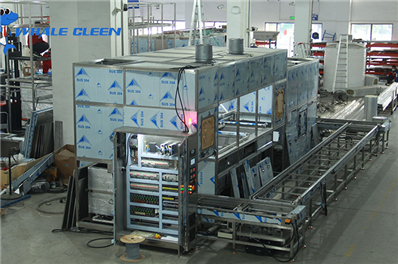 Fuel Nozzle Deep Degreasing Challenge: How Ultrasonic Cleaning Machines Remove Internal Deposits
Fuel nozzles are among the most precision-critical components in any engine—whether for diesel rail systems, gasoline direct injection, or gas turbines. Over their service life, three distinct contaminants accumulate inside the nozzle structure:Coked carb
-
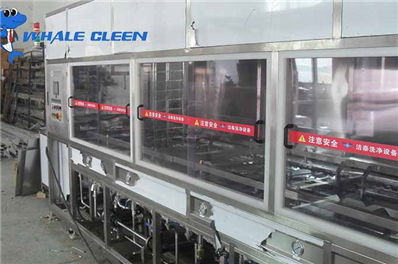 Cleaning Agent Consumption Spiraling Out of Control? How This Equipment Helps You Cut Chemical Costs
Every manufacturing manager knows the drill. You budget for cleaning chemicals, but somehow the actual spend keeps climbing. Drums of expensive cleaning agents disappear faster than expected. Waste disposal costs rise in tandem. And despite the growing ex
-
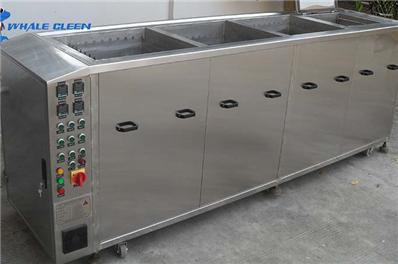 Reject “Assembly-Line” Cleaning: How We Make Cylinder Blocks and Microelectronic Components Equally Clean in the Same Workshop
The Myth of Universal CleaningIn traditional manufacturing, cleaning lines are often designed for a single type of component. Heavy parts like engine cylinder blocks rattle through aggressive spray washers, while delicate microelectronic components are ha
-
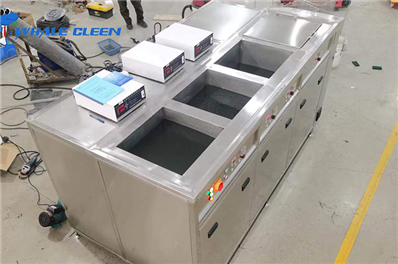 Ultrasonic Cleaning Machines: What Can They Clean and How Do They Work?
Ultrasonic cleaning is a technology widely used across multiple industries to clean delicate, complex, or large objects effectively and without damaging them. The process employs high-frequency sound waves, typically ranging from 20 kHz to several MHz, to