-
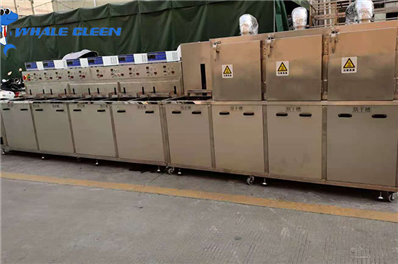 Ultrasonic Cleaning Machines: Pioneering Industry-Leading Technology for High-Standard Cleaning
In the realm of manufacturing and production, achieving high standards of cleanliness is a critical factor in ensuring product quality. Ultrasonic cleaning technology stands out as an industry-leading and highly efficient method that excels not only in re
-
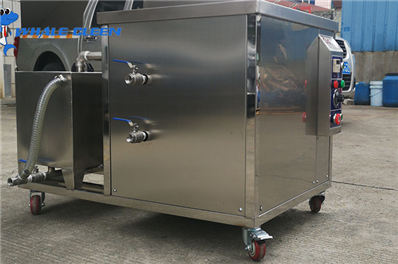 The Innovator in Cleaning Technology: Frontier Exploration of Ultrasonic Cleaning Machines
Ultrasonic cleaning machines have emerged as a transformative force in the cleaning technology landscape, providing efficient and precise solutions across multiple industries. By utilizing high-frequency sound waves, these machines offer a range of benefi
-
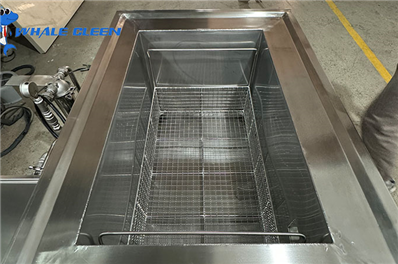 The Apex of Clean Tech: Ultrasonic Cleaners and Their Unmatched Hygiene Safety
In an era where hygiene and cleanliness have become paramount across industries, from healthcare to manufacturing, ensuring impeccable cleaning standards is crucial for both safety and performance. Ultrasonic cleaners have emerged as one of the most advan
-
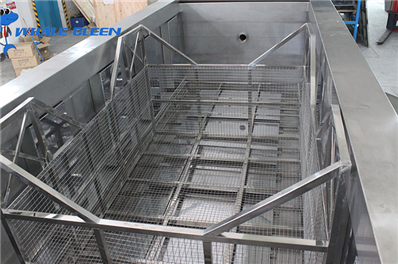 Ultrasonic Cleaning Equipment: The Industry’s Top Choice for Plastic Mold Maintenance
The maintenance of plastic molds is a critical aspect of ensuring the longevity and efficiency of manufacturing processes. Among the various methods available, ultrasonic cleaning equipment has emerged as the industry’s preferred choice. This technology o
-
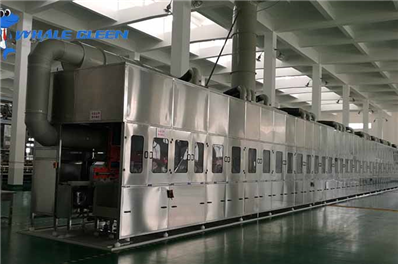 Application of ultrasonic washing machine
With the development of science and technology, the application range of ultrasonic cleaning machines is getting wider. It is widely used in the machinery industry, electronics industry, medical industry, laboratory, and other industries. Ultrasonic clean
-
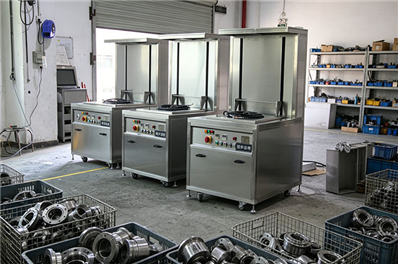 From Dirty to Spotless: How Long Does Ultrasonic Automatic Cleaning Take for a Multilayer PCB?
Walk onto the floor of any PCB assembly shop, and you will see it: boards fresh off the soldering line, covered in flux residues, ionic contaminants, and microscopic debris. The clock is ticking. Production schedules depend on getting these boards clean—f
-
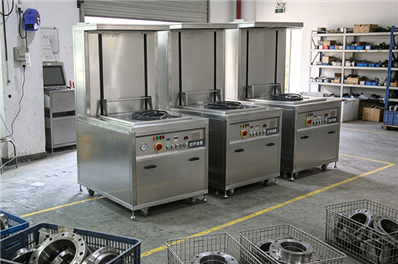 Why Are Leading Manufacturers Switching to Industrial Ultrasonic Automated Cleaning Machines for PCB Cleaning?
Walk into any modern electronics manufacturing facility, and you will notice a striking pattern. The factories that consistently deliver high-quality PCBs—with minimal defects, predictable throughput, and low rework rates—have one thing in common: they ha
-
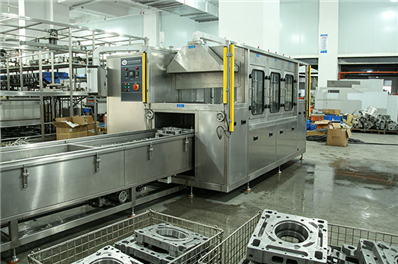 FPC Flexible Board Easily Damaged by Manual Cleaning? Finally, a Solution for High-Volume Degreasing
In electronics manufacturing, few components are as delicate—and as critical—as Flexible Printed Circuits (FPCs). Thin as paper, with trace widths often below 0.03mm, FPCs are the backbone of smartphones, wearables, tablets, and countless other compact de
-
 How to Thoroughly Remove Micro‑Pore Contaminants in Hydraulic Components? This Ultrasonic Equipment Has Become the Industry Standard
In hydraulic system manufacturing, there is a scenario that plays out repeatedly in quality inspection rooms: A valve body passes every dimensional check, assembles perfectly, and ships to the customer. Then, after a few hundred operating hours, the syste
-
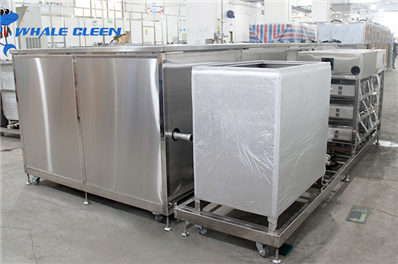 The Same Circuit Board, Different Results: Why Leading Electronics Manufacturers Are Switching to Industrial Ultrasonic Automatic Cleaning Machines
Look at the two PCBs. The first was cleaned with a manual brush and solvent dip. The second came from a fully automated ultrasonic cleaning line. To the naked eye, they look identical—solder joints shining, surfaces spotless, ready for assembly. But un
-
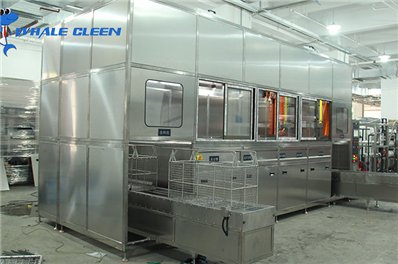 Metal Degreasing Without Strong Acid Soaking: The Hidden Cleaning Advantages of Ultrasonic Technology
In metal parts manufacturing, few processes carry as many hidden costs—and as many risks—as strong acid soaking for degreasing and rust removal. For decades, countless factories have relied on aggressive acid baths to strip oil, grease, and oxidation from
-
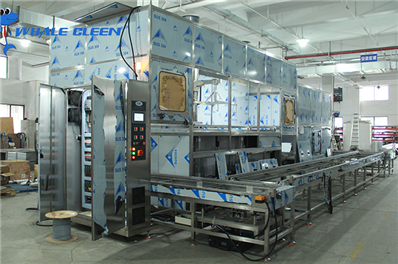 Want to Extend Turbine Disk Service Life? What Are the Key Selection Criteria for Ultrasonic Cleaning Machines?
In an aircraft engine overhaul shop, few components carry more weight—literally and metaphorically—than the turbine disk. Often described as the “backbone” of the engine, the turbine disk is a precision‑engineered component manufactured from nickel‑based