-
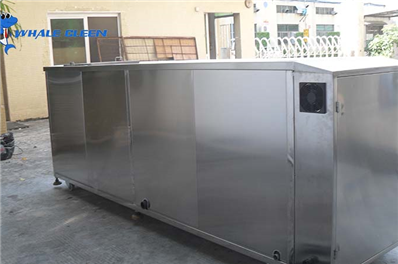 Why Do Ultrasonic Cleaners Have Temperature Control? The Science Behind the Heat
If you've shopped for or used an ultrasonic cleaner, you've likely noticed that many models come with a built-in heating function and a temperature control setting. This might lead you to wonder: if the cleaning power comes from ultrasonic waves,
-
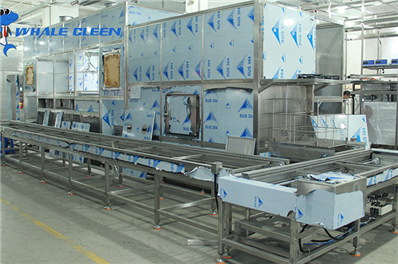 Ultrasonic Cleaning Machine for Aerospace Components: From High-Risk Traditional Methods to Non-Contact Degreasing That Safeguards Flight Safety
In the high-stakes world of aviation maintenance, cleaning is far from a routine chore — it is a direct pillar of flight safety. A single turbine blade contaminated with baked-on carbon deposits, a fuel nozzle with partially clogged orifices, or a hydraul
-
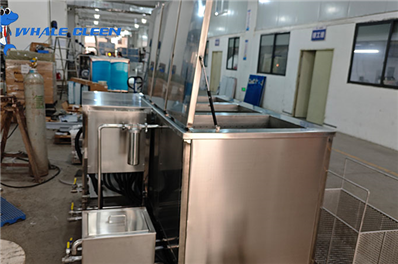 Energy Efficiency in Ultrasonic Cleaners: Harnessing High-Performance Cleaning with Low Energy Consumption
Introduction Ultrasonic cleaning technology has revolutionized the cleaning industry by offering efficient solutions for a wide range of applications. As concerns about energy consumption and environmental sustainability grow, ultrasonic cleaners stand
-
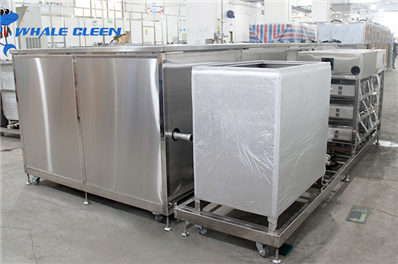 The Same Circuit Board, Different Results: Why Leading Electronics Manufacturers Are Switching to Industrial Ultrasonic Automatic Cleaning Machines
Look at the two PCBs. The first was cleaned with a manual brush and solvent dip. The second came from a fully automated ultrasonic cleaning line. To the naked eye, they look identical—solder joints shining, surfaces spotless, ready for assembly. But un
-
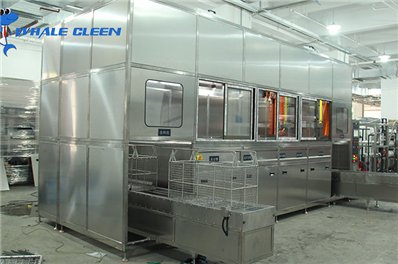 Metal Degreasing Without Strong Acid Soaking: The Hidden Cleaning Advantages of Ultrasonic Technology
In metal parts manufacturing, few processes carry as many hidden costs—and as many risks—as strong acid soaking for degreasing and rust removal. For decades, countless factories have relied on aggressive acid baths to strip oil, grease, and oxidation from
-
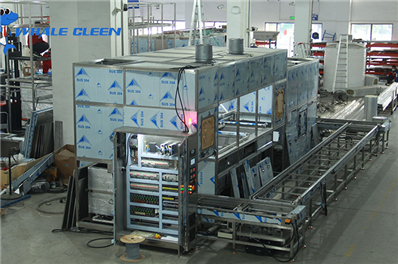 Fuel Nozzle Deep Degreasing Challenge: How Ultrasonic Cleaning Machines Remove Internal Deposits
Fuel nozzles are among the most precision-critical components in any engine—whether for diesel rail systems, gasoline direct injection, or gas turbines. Over their service life, three distinct contaminants accumulate inside the nozzle structure:Coked carb
-
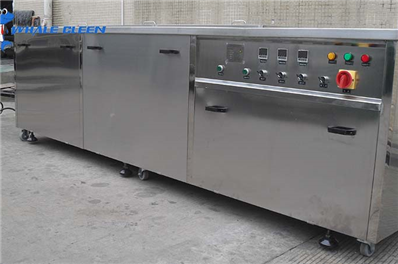 Why Do Ultrasonic Cleaners Have Multiple Cleaning Stages? The Science Behind the Process
Ultrasonic cleaners are widely used in industries such as manufacturing, healthcare, jewelry, and automotive for their ability to clean intricate items with precision. However, many users wonder why these machines often involve multiple cleaning stages in
-
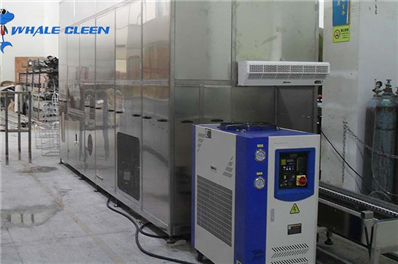 Why Ultrasonic Cleaners Remove Paint? The Science Behind Paint Stripping & Prevention Tips
When using an ultrasonic cleaner for the first time, many users are shocked to find that painted surfaces emerge stripped or damaged. This raises an important question: why do ultrasonic cleaners remove paint, and how can you prevent it? Understanding the
-
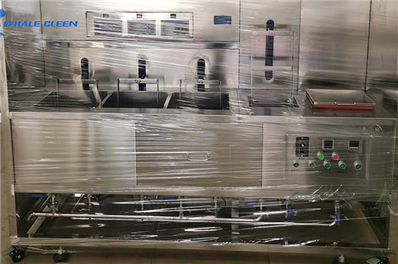 Ultrasonic Cleaner Lid Necessity: Safety, Efficiency, and Performance Explained
When you unbox your newultrasonic cleaner, the included lid might seem like a simple accessory—perhaps even an optional one. Many users are tempted to operate the machine without it, thinking it allows for better visibility or easier access. However, this
-
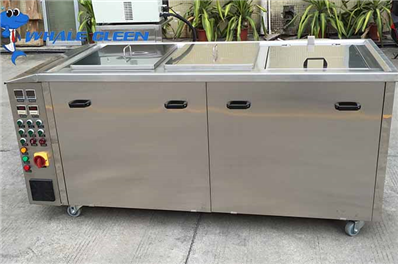 How to Use Ultrasonic Cleaners for Automotive Repair? A Step-by-Step Guide
1. Why Use Ultrasonic Cleaners in Automotive Repair? Ultrasonic cleaning is a game-changer for auto shops and DIY mechanics because: Deep Cleaning: Removes 90%+ of contaminants (oil, carbon, rust) from complex parts like fuel injectors.
-
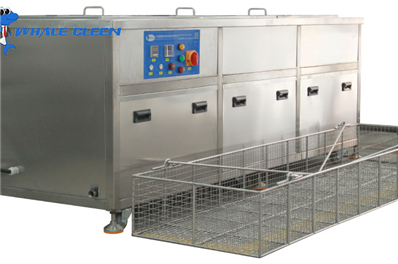 Why Do Ultrasonic Cleaners Cause Rust? Key Reasons and Prevention Strategies
Ultrasonic cleaners are widely used in industrial and precision cleaning due to their ability to remove contaminants from complex surfaces. However, users often encounter rust formation on processed metal parts, especially at the bottom. This article expl
-
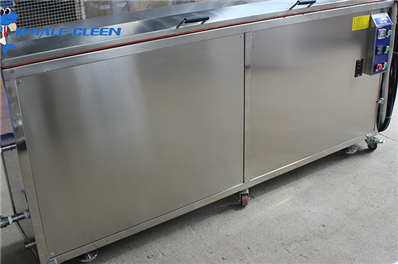 What to Add to an Ultrasonic Cleaning Machine for Rust Removal
When it comes to removing rust using an ultrasonic cleaning machine, selecting the right cleaning agent is crucial for achieving effective results. Ultrasonic cleaning leverages high-frequency sound waves to create cavitation bubbles in a liquid, which im