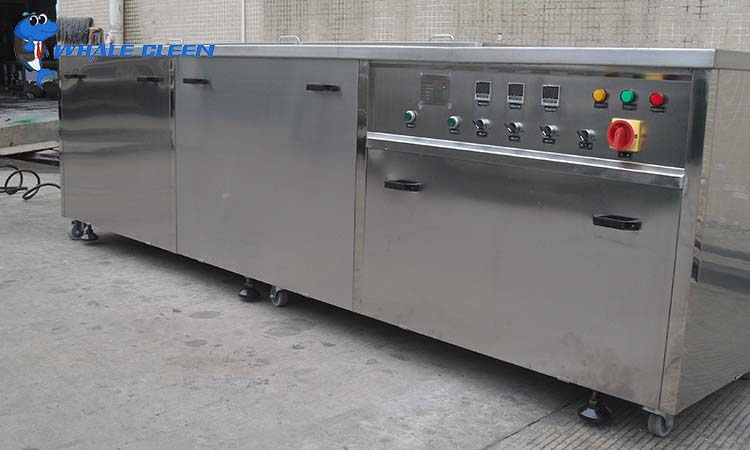
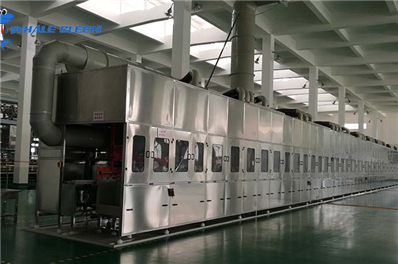
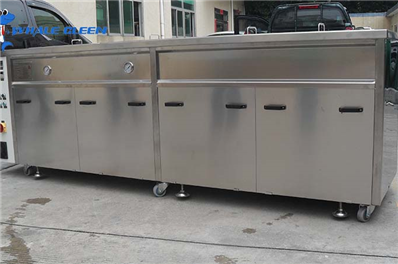
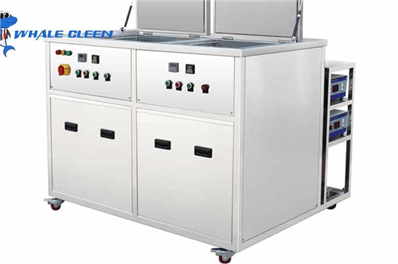
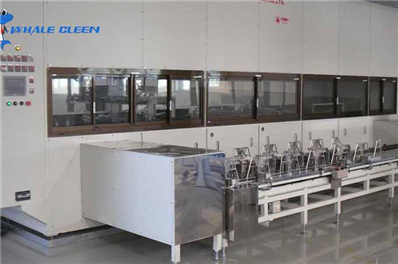
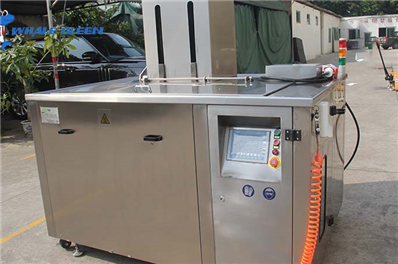
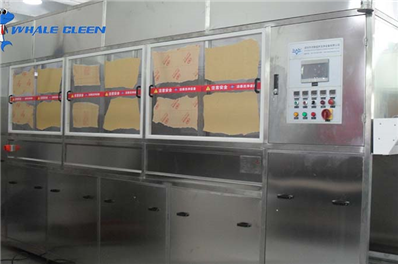
Ultrasonic cleaners are widely used in industries such as manufacturing, healthcare, jewelry, and automotive for their ability to clean intricate items with precision. However, many users wonder why these machines often involve multiple cleaning stages instead of a single-step process. The answer lies in the science of cleaning efficiency, contamination removal, and material preservation. In this article, we’ll explore the reasons behind multi-stage ultrasonic cleaning and how each stage contributes to optimal results.
Ultrasonic cleaning relies on high-frequency sound waves (typically 20–40 kHz) to create microscopic bubbles in a cleaning solution. This process, known as cavitation, generates intense energy that dislodges contaminants from surfaces. While cavitation is highly effective, it is not always sufficient to remove all types of debris or to ensure the complete cleanliness of items. This is where multi-stage cleaning comes into play.
A typical multi-stage ultrasonic cleaning process includes the following steps:
Pre-Cleaning (Pre-Wash Stage)
Purpose: Remove loose debris, dust, or large particles.
How It Works: Items are rinsed or soaked in a plain water or mild detergent solution to eliminate superficial dirt.
Benefits: Prevents the main cleaning tank from becoming contaminated with large particles, which can reduce cavitation efficiency.
Main Ultrasonic Cleaning Stage
Purpose: Target stubborn contaminants like grease, oil, or hardened residues.
How It Works: Items are submerged in a specialized cleaning solution, and ultrasonic waves generate cavitation bubbles to scrub surfaces.
Benefits: Ensures deep cleaning of complex geometries and hard-to-reach areas.
Rinsing Stage
Purpose: Remove residual cleaning solution and suspended contaminants.
How It Works: Items are transferred to a rinse tank, often using deionized or distilled water.
Benefits: Prevents chemical residue from affecting the item’s functionality or appearance.
Drying Stage
Purpose: Eliminate moisture to prevent water spots, corrosion, or bacterial growth.
How It Works: Items are dried using heated air, vacuum drying, or centrifugal force.
Benefits: Ensures items are ready for immediate use or packaging.
Enhanced Cleaning Efficiency
A single cleaning stage may not effectively address all types of contaminants. For example, while ultrasonic cavitation can remove grease, it may not eliminate chemical residues. Multi-stage systems ensure that each step targets specific issues, resulting in a more thorough clean.
Protection of Delicate Items
Aggressive cleaning solutions or prolonged exposure to ultrasonic waves can damage sensitive materials like precision instruments or jewelry. A rinsing stage helps neutralize chemicals, while a gentle drying stage prevents thermal stress.
Cost and Time Savings
While multi-stage cleaning might seem time-consuming, it actually improves workflow efficiency. By preventing recontamination and reducing the need for re-cleaning, these systems save both time and resources in the long run.
Adaptability to Various Industries
Different applications require tailored cleaning approaches. For instance:
Medical Instruments: Require sterilization after cleaning, which is achieved through an additional disinfecting stage.
Electronics: Need rinsing with deionized water to avoid mineral deposits.
Jewelry: Benefit from a final drying stage to restore shine.
The effectiveness of multi-stage cleaning also depends on the cleaning solutions used. For example:
Alkaline Solutions: Break down oils and greases in the main cleaning stage.
Acidic Solutions: Remove rust and mineral deposits.
Enzymatic Cleaners: Ideal for organic contaminants in medical or dental applications.
Each solution is optimized for a specific stage, ensuring that contaminants are systematically removed without damaging the items.
Industrial-grade ultrasonic cleaners often feature programmable stages for fully automated operations. These systems allow users to customize parameters such as:
Cleaning time
Temperature
Solution concentration
Rinse and dry cycles
Such flexibility makes multi-stage cleaners suitable for high-volume or critical cleaning tasks.
Understand Your Cleaning Needs
Identify the types of contaminants your items carry and choose a machine with the appropriate stages.
Use the Right Solutions
Always follow manufacturer guidelines for cleaning solutions to avoid damaging the machine or items.
Maintain Your Equipment
Regularly clean tanks, replace solutions, and inspect ultrasonic transducers to ensure optimal performance.
Prioritize Safety
Wear protective gear when handling chemicals, and ensure proper ventilation in the cleaning area.
Ultrasonic cleaners incorporate multiple stages to address the complexities of contamination removal, material preservation, and operational efficiency. From pre-wash to drying, each stage plays a critical role in ensuring that items are not only clean but also ready for their intended use. By understanding the science and benefits of multi-stage cleaning, users can make informed decisions and achieve consistent, high-quality results.
Whether you’re cleaning industrial parts, medical tools, or delicate jewelry, a multi-stage ultrasonic cleaner offers the precision and reliability needed to meet the highest standards of cleanliness.