-
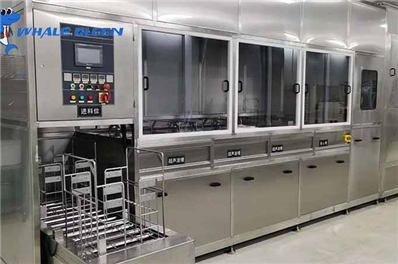 Fully Automatic Ultrasonic Cleaning Machine For Metal Parts-Blue whale ultrasonic cleaner tank
The whole process of an automatic ultrasonic cleaning machine is mechanical automatic. It applies to plating parts, vacuum plating parts, locks, motor parts, bearings, die ware, stainless steel tableware, compressors, clock parts, precision textile equipm
-
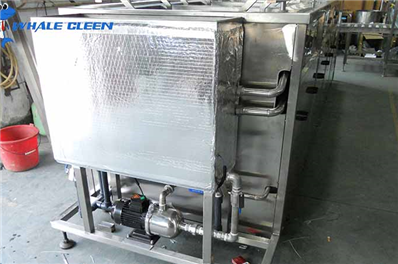 How to wash the plastic mould when it is dirty? It is easy to remove residue with an ultrasonic cleaner tank
How to wash the plastic mold when it is dirty? Plastic mold will adhere to the plastic residue and gas after use, such as not timely treatment of the surface of the mold attached to the dirt, which will affect the quality of subsequent products. Therefore
-
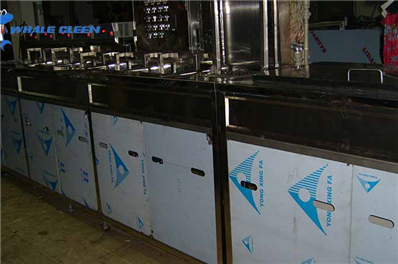 Various types of ultrasonic cleaner tank applications
Ultrasonic cleaner tanks are widely used in the optical industry, medical industry, photovoltaic industry, aerospace industry, hardware industry, automobile manufacturing industry, etc. And it can be customized according to user needs; Single-slot
-
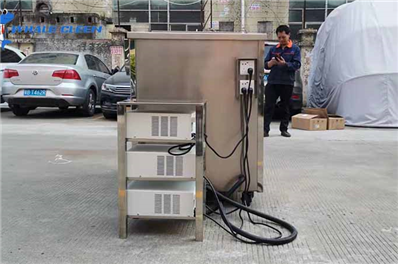 Why do people choose an ultrasonic cleaner tank to clean parts?
Here we tell you the difference between the original cleaning method and the current high-tech cleaning equipment. The soaking and cooking belong to the original cleaning method. Among them, immersion is to soak the parts to be cleaned in the clean
-
 Why Can't Ultrasonic Cleaners Use Thin Steel Sheets? - An Engineering Analysis of Resonance Principles and Material Selection
In the field of industrial manufacturing and equipment material selection, a fundamental principle is: "The right material for the right application." For ultrasonic cleaners, the choice of material for their core working component—the tank that
-
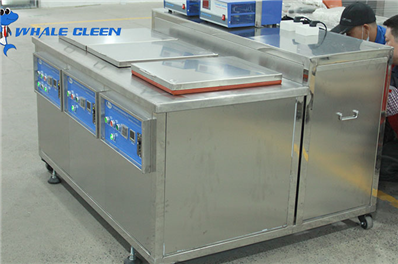 What Is an Ultrasonic Cleaner Transducer: Principles and Applications
The ultrasonic cleaner is a widely used cleaning device in industries ranging from healthcare to precision engineering. At the heart of this technology lies the ultrasonic transducer, a critical component responsible for converting electrical energy into
-
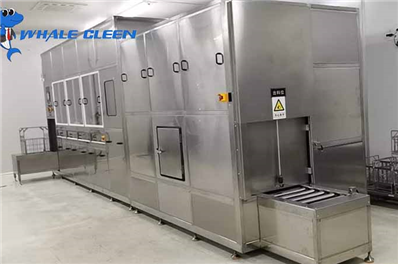 How to locate parts in the ultrasonic cleaning machine
The correct location of parts in an ultrasonic cleaning machine is as important as the frequency of ultrasonic cleaning and the formulation of the ultrasonic cleaning solution. However, in these three standards, incorrect component positioning is usually
-
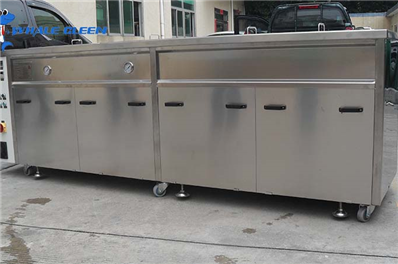 Ultrasonic Cleaning Machine for Blind Holes: How Whale Cleen Meets Strict Acceptance Standards
In precision manufacturing, the most difficult contamination is often the contamination you cannot see. Fine blind holes, narrow slots, threaded ports, and tight crevices can trap polishing dust, lapping residue, metal fines, and oil film. A part may look
-
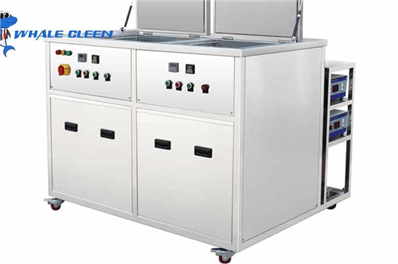 Stuck with Grinding Dust Embedded in Batch Workpiece Crevices? Manual Cleaning Is Draining Your Labor Budget and Driving Production Costs Through the Roof
Walk into any metalworking shop, stamping plant, or machining facility, and you will see the same scene repeated shift after shift: workers hunched over parts bins, scrubbing with brushes, picking at crevices with picks, blowing compressed air into blind
-
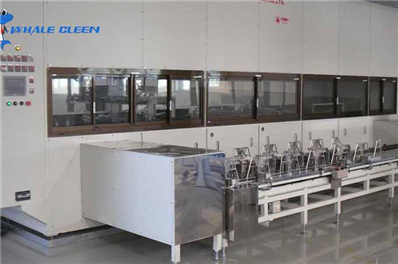 Same Ultrasonic Cleaning, Why Are Some Aerospace Fastener Yield Rates So Much Higher?
In aerospace manufacturing, few quality metrics are as unforgiving as fastener cleanliness. A single micro-fastener — a titanium alloy bolt, a high-strength steel screw, a threaded insert — can carry cutting fluids, lapping compounds, or microscopic metal
-
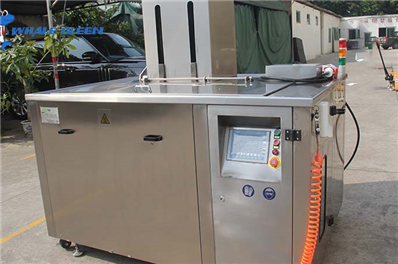 How Ultrasonic Cleaning Reaches the Thread Roots of Micro-Fasteners for Deep Chip and Oil Removal
In precision manufacturing, few challenges are as persistent—or as costly—as cleaning micro-fasteners. Screws, bolts, and threaded inserts with diameters under M2 feature intricate geometries: narrow thread valleys, blind holes, and sharp internal corners
-
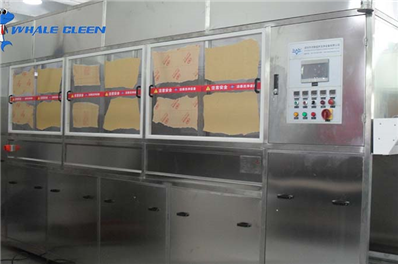 Ultrasonic Cleaning Machine: Solving the Batch Cleanliness Inconsistency Crisis in Aerospace Fastener Manufacturing
In aerospace manufacturing, a single contaminated fastener can compromise an entire assembly. Threaded surfaces trap machining oils, metal chips, and microscopic particulates that, if not completely removed, directly affect torque values, joint integrity,