-
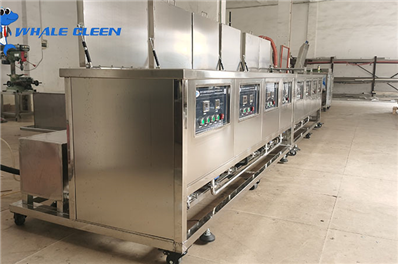 Methods for Evaluating the Cleaning Effect of Ultrasonic Cleaning Equipment
As a type of cleaning equipment that utilizes high-frequency sound waves to generate strongeddy currentsandimpact force,ultrasonic cleaning equipmenthas been widely used in various fields, such as automotive maintenance,mechanical processing, electronic c
-
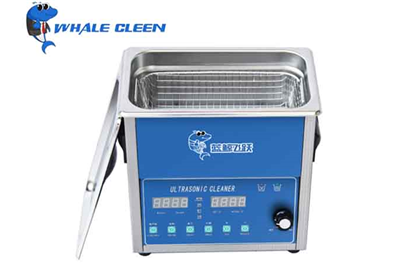 Ultrasonic cleaner jewelry advice on ultrasonic cleaning jewelry
As we all know, at present, the fastest and cleanest way to clean jewelry is to use an ultrasonic cleaning machine. Ultrasonic cleaning of jewelry can not only clean jewelry but also clean more items, such as dentures, braces, toothbrushes, comb, pen head
-
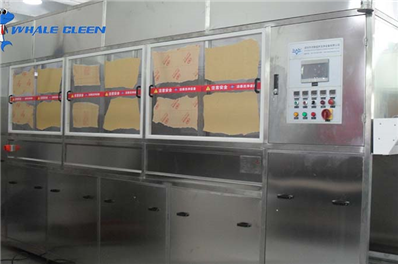 Ultrasonic Cleaning Machine: Solving the Batch Cleanliness Inconsistency Crisis in Aerospace Fastener Manufacturing
In aerospace manufacturing, a single contaminated fastener can compromise an entire assembly. Threaded surfaces trap machining oils, metal chips, and microscopic particulates that, if not completely removed, directly affect torque values, joint integrity,
-
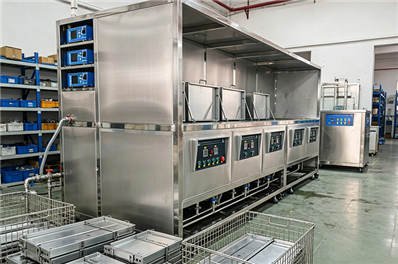 Ultrasonic Cleaning Machine: The Only Way to Eliminate Cutting Oil Sludge from Deep Grooves and Restore Plating Adhesion
For metal finishing shops and precision component manufacturers, few quality failures are as financially devastating as plating rejection caused by inadequate pre-cleaning.The scenario is painfully familiar. A batch of precision-machined components—hydrau
-
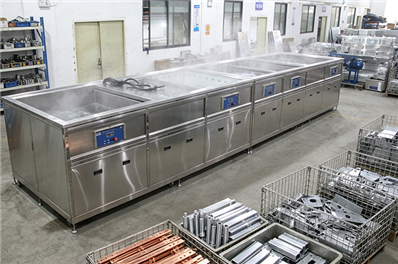 Ultrasonic Cleaning Machine for Shaft Parts: A Specialized Solution for Precision Components
In mechanical manufacturing and heavy industry, shaft parts—such as transmission shafts, motor rotors, hydraulic piston rods, and bearing rollers—are fundamental components that demand the highest standards of cleanliness. These precision-machined parts o
-
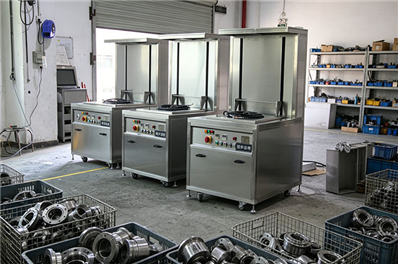 From Dirty to Spotless: How Long Does Ultrasonic Automatic Cleaning Take for a Multilayer PCB?
Walk onto the floor of any PCB assembly shop, and you will see it: boards fresh off the soldering line, covered in flux residues, ionic contaminants, and microscopic debris. The clock is ticking. Production schedules depend on getting these boards clean—f
-
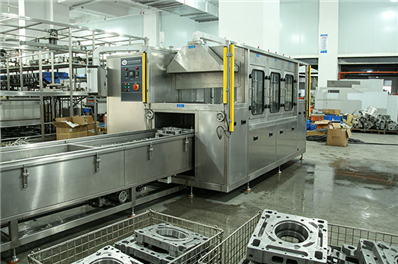 FPC Flexible Board Easily Damaged by Manual Cleaning? Finally, a Solution for High-Volume Degreasing
In electronics manufacturing, few components are as delicate—and as critical—as Flexible Printed Circuits (FPCs). Thin as paper, with trace widths often below 0.03mm, FPCs are the backbone of smartphones, wearables, tablets, and countless other compact de
-
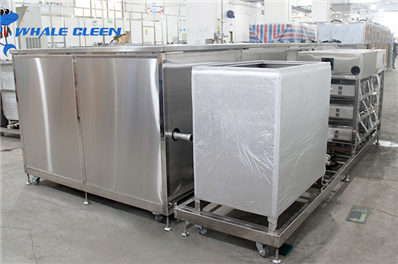 The Same Circuit Board, Different Results: Why Leading Electronics Manufacturers Are Switching to Industrial Ultrasonic Automatic Cleaning Machines
Look at the two PCBs. The first was cleaned with a manual brush and solvent dip. The second came from a fully automated ultrasonic cleaning line. To the naked eye, they look identical—solder joints shining, surfaces spotless, ready for assembly. But un
-
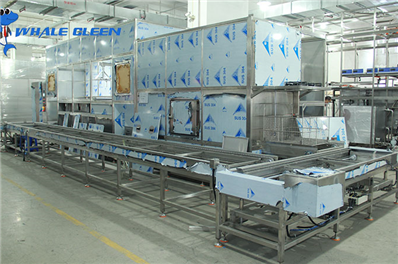 Hydraulic Valve Body Dead‑End Grease Is Hard to Remove – What Are the Practical Ultrasonic Cleaning Tips?
In any hydraulic system, the valve body is the command center. Its internal network of intersecting oil channels, precision spool bores, and tiny flow passages directs the flow, pressure, and direction of hydraulic fluid. A single valve body may contain d
-
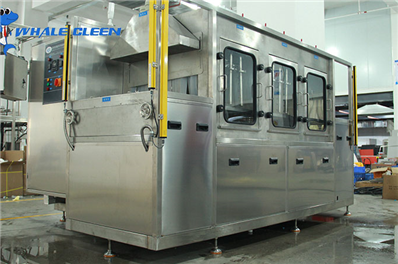 Why Is Ultrasonic Cleaning the Preferred Choice for Silicon Wafer Cleaning?
In semiconductor manufacturing, a single microscopic particle clinging to a silicon wafer surface can turn a high-value chip into scrap. As device geometries continue to shrink toward single-digit nanometer nodes, the tolerance for contamination has becom
-
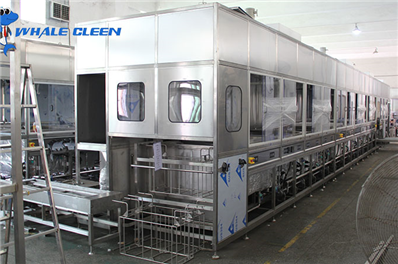 Precision Metal Stamping Parts Cleaning: Key Ultrasonic Equipment Selection Points — Why Whale Cleen Delivers Consistent, Damage‑Free Results
In high‑volume metal stamping production, cleaning is a process that is often underestimated—until it becomes the bottleneck. Stamped parts emerge from the press coated with heavy stamping oil, microscopic metal fines, and occasionally coolant residues. L
-
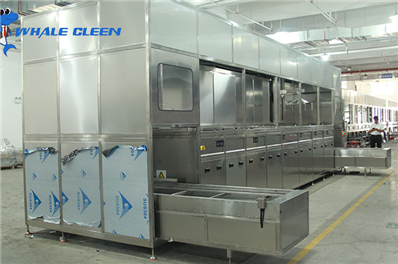 How to Choose a Fuel Injector Ultrasonic Cleaning Machine: A Practical Guide for Workshops and Engine Rebuilders
For automotive workshops, diesel service centers, and engine remanufacturing facilities, few problems are as common—and as frustrating—as clogged fuel injectors. Modern fuel injectors are precision components with microscopic spray holes (often 0.1–0.2 mm