-
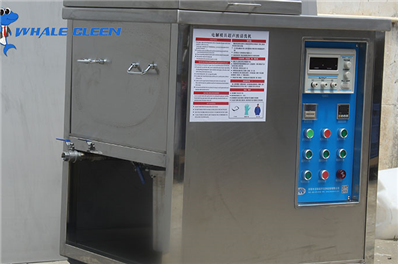 Ultrasonic Cleaning Machines: Enhancing Metal Parts Quality and Performance
Cleaning metal parts is an essential process to enhance their quality and performance. One effective method for achieving this is by utilizing ultrasonic cleaning machines. These machines utilize the power of ultrasonic waves to remove oil, dirt, and part
-
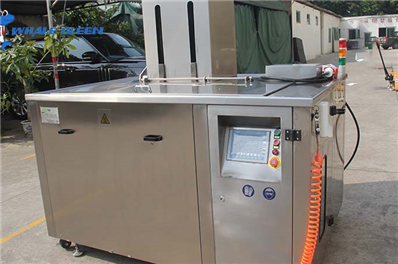 How Ultrasonic Cleaning Reaches the Thread Roots of Micro-Fasteners for Deep Chip and Oil Removal
In precision manufacturing, few challenges are as persistent—or as costly—as cleaning micro-fasteners. Screws, bolts, and threaded inserts with diameters under M2 feature intricate geometries: narrow thread valleys, blind holes, and sharp internal corners
-
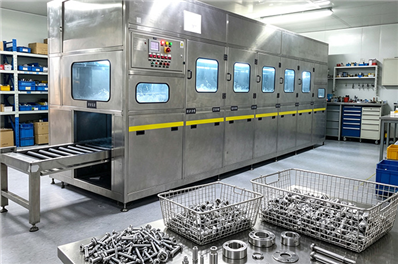 Ultrasonic vs. Electrolytic Ultrasonic Cleaning: What's the Real Difference in Metal Finishing Cleanliness?
In metal finishing and electroplating operations, cleanliness is not just a quality metric—it is the foundation upon which adhesion, corrosion resistance, and final product performance are built. A single speck of oil residue on a stamped metal part can c
-
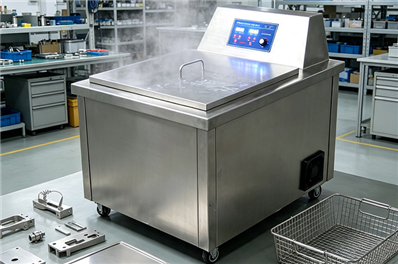 Ultrasonic Cleaning Machine: How Powerful Is It Really? A Shocking Test in Hardware Electroplating Pretreatment
If you have ever walked through a hardware electroplating line, you have seen the frustration firsthand. Parts come out of the bath with patches of peeling plating. Edges look dull. Blind holes show signs of uneven coverage. The plating bath chemistry is
-
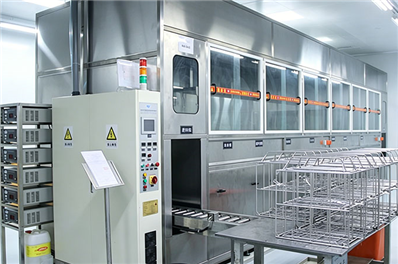 Precision Bearings Prone to Chipping and Scratching? Automated Ultrasonic Cleaning Machine Avoids Component Damage
Precision bearings are the lifeblood of modern mechanical transmission systems—from automotive drivetrains and high-speed machining spindles to aerospace actuators and industrial gearboxes. Yet, in countless workshops and production lines, the delicate ta
-
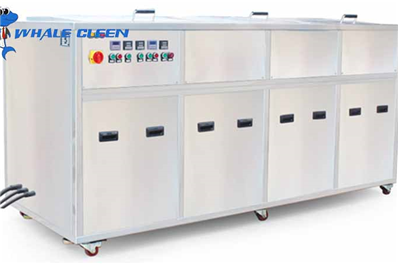 Why Do People Use Ultrasonic Cleaners? The Ultimate Guide to Ultrasonic Cleaning Technology
In today's world of advanced cleaning technology, ultrasonic cleaners have become increasingly popular across various sectors. But what drives people to choose these sophisticated cleaning devices? The answer lies in their unparalleled cleaning capabi
-
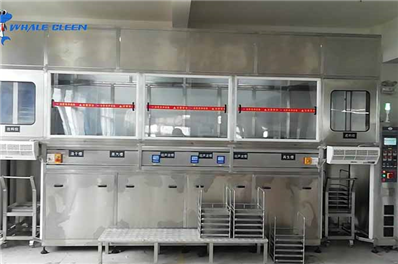 How to Properly Position an Ultrasonic Cleaner? Complete Placement Guide for Optimal Performance
Proper placement of your ultrasonic cleaner significantly impacts its efficiency, safety, and longevity. Whether for home use or industrial applications, following correct positioning guidelines ensures maximum cleaning performance while preventing potent
-
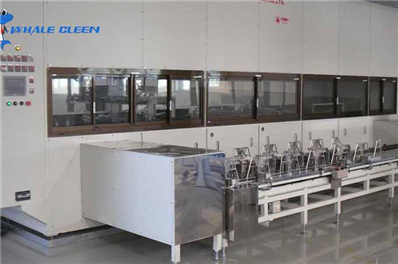 How to Optimize Ultrasonic Cleaning Machine Efficiency
Introduction In today's fast-paced industrial environment, efficiency is paramount. Ultrasonic cleaning machines have revolutionized cleaning processes across various sectors, from healthcare to manufacturing. However, to maximize their performance
-
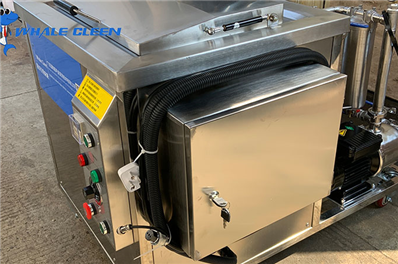 Ultrasonic Cleaning Machines: Perfect Synergy with Advanced Manufacturing
Advanced manufacturing, characterized by the integration of cutting-edge technologies and optimized production processes, demands high levels of precision and efficiency. Ultrasonic cleaning machines, known for their ability to clean complex parts and del
-
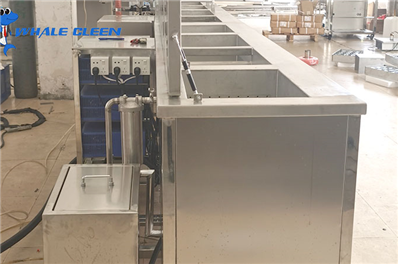 Addressing Pharmaceutical Cleaning Challenges with Ultrasonic Cleaning Technology
Introduction The pharmaceutical industry faces unique cleaning challenges due to stringent regulations, the need for high levels of cleanliness, and the necessity to prevent contamination in drug production. Ultrasonic cleaning technology has emerged a
-
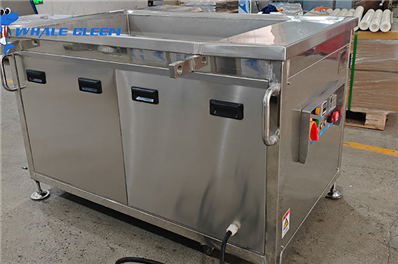 The Role of Ultrasonic Cleaners in Aircraft Manufacturing: Enhancing Precision and Efficiency
Ultrasonic cleaning technology has emerged as a vital tool in the aerospace industry, particularly in aircraft manufacturing and maintenance. This technology utilizes high-frequency sound waves to generate cavitation bubbles in a cleaning solution, effect
-
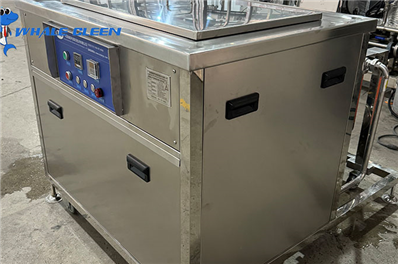 How Ultrasonic Cleaners Enhance Industrial Equipment Cleaning Efficiency
In the modern industrial landscape, the efficiency and longevity of machinery are paramount to maintaining productivity and minimizing downtime. Contaminants such as oils, greases, carbon deposits, and other residues can accumulate on industrial equipment