-
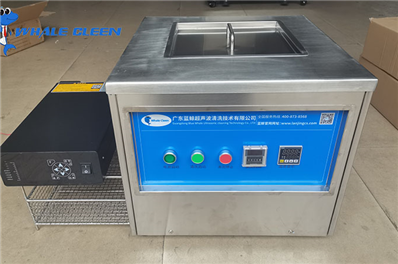 Exploring Noise Levels in Ultrasonic Cleaning Machines: Factors and Mitigation Strategies
The noise level of an ultrasonic cleaning machine is a critical factor to consider in industrial and laboratory settings where these machines are commonly employed. Noise is measured in decibels (dB), which quantifies the intensity of sound. In the case o
-
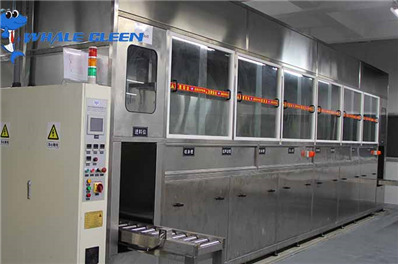 How to Reduce Ultrasonic Cleaner Noise: Effective Solutions and Practical Tips
Ultrasonic cleaners are widely used in industries, laboratories, and medical facilities for their efficient cleaning capabilities. However, the noise they produce (typically 65-85 dB) can be disruptive and even harmful with prolonged exposure. Understandi
-
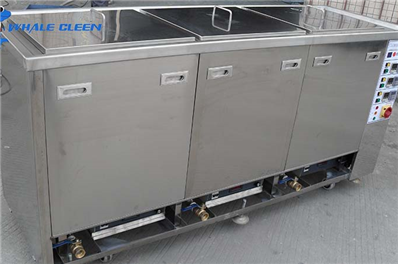 Can the noise of the ultrasonic cleaner be eliminated? How does it work?
When using an ultrasonic cleaning machine, will produce not high low noise, some people can accept, but some people are difficult to accept, because harsh and uncomfortable, then, why would produce noise? Can the noise of the ultrasonic cleaning machine b
-
 Why Can't Ultrasonic Cleaners Use Thin Steel Sheets? - An Engineering Analysis of Resonance Principles and Material Selection
In the field of industrial manufacturing and equipment material selection, a fundamental principle is: "The right material for the right application." For ultrasonic cleaners, the choice of material for their core working component—the tank that
-
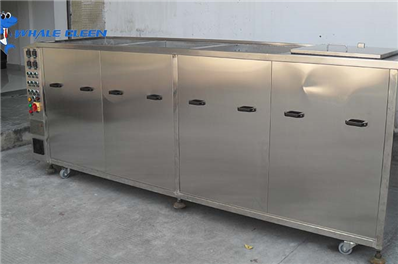 Why Did the Ultrasonic Cleaner Sound Suddenly Become Louder? Causes and Solutions
Ultrasonic cleaners are renowned for their efficiency in cleaning delicate items, from jewelry to medical instruments. However, when the device’s sound suddenly becomes louder than usual, it can be both alarming and indicative of an underlying issue. Unde
-
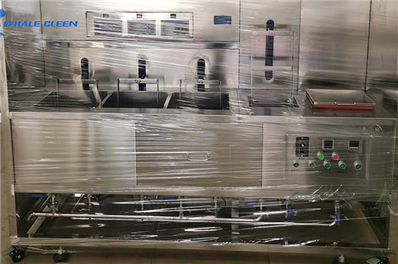 Ultrasonic Cleaner Lid Necessity: Safety, Efficiency, and Performance Explained
When you unbox your newultrasonic cleaner, the included lid might seem like a simple accessory—perhaps even an optional one. Many users are tempted to operate the machine without it, thinking it allows for better visibility or easier access. However, this
-
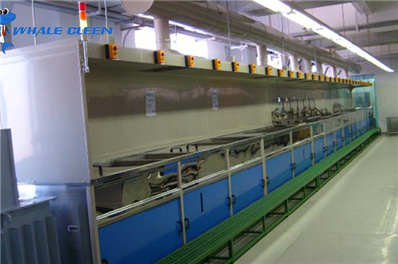 Why Has the Ultrasonic Cleaner's Sound Become Quieter? In-Depth Analysis and Restoration Guide
Anultrasonic cleanertypically emits a consistent humming sound during operation, which indicates normalultrasonic energytransmission. When this sound becomes noticeably quieter or disappears entirely, it often signals an underlying issue. Areduced soundno
-
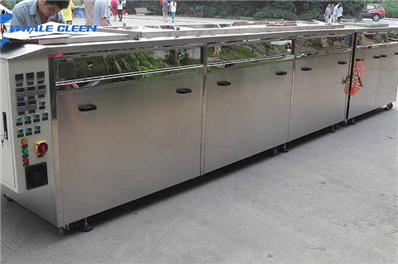 Why Does My Ultrasonic Cleaner Keep Stopping? Troubleshooting Guide and Solutions
Why Does My Ultrasonic Cleaner Keep Stopping? Ultrasonic cleaners are renowned for their efficiency in cleaning delicate items, from jewelry to industrial parts. However, frequent interruptions during operation can be frustrating and may indicate under
-
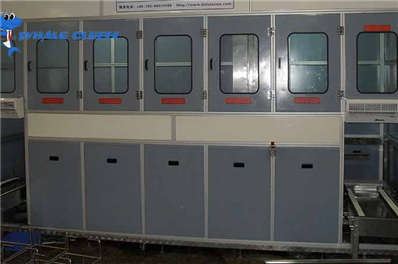 How to Maintain and Clean an Ultrasonic Cleaner: The Ultimate Care Guide
Industry studies show that 60% of ultrasonic cleaner failures result from improper maintenance. This 800+ word guide provides professional-grade care protocols used by laboratory technicians and industrial operators to keep cleaners performing like new.
-
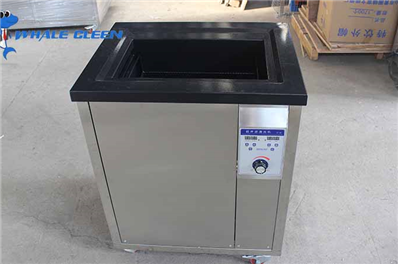 How to Adjust Ultrasonic Cleaner for Optimal Performance
In today's fast-paced world, maintaining cleanliness and efficiency in both household and industrial settings is crucial. Ultrasonic cleaners have emerged as powerful tools for thorough and gentle cleaning of delicate items. However, to maximize their
-
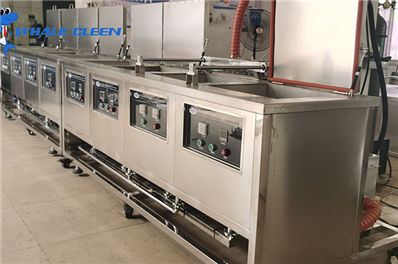 How to Calibrate an Ultrasonic Cleaner: A Step-by-Step Guide to Performance Verification
Article Content 1. The Importance of Calibrating Ultrasonic Cleaners (Keyword Density Optimization) Calibrating ultrasonic cleaners is essential for maintaining performance and reliability: Cleaning Efficiency: Uncalibrated machines c
-
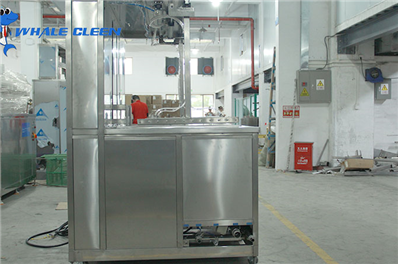 How to Measure an Ultrasonic Cleaner? Comprehensive Guide and Practical Tips
1. The Importance of Measuring Ultrasonic Cleaners The performance of an ultrasonic cleaner directly impacts cleaning efficiency and equipment lifespan. Regular measurement helps avoid issues such as: Reduced Cleaning Efficiency: Aging o