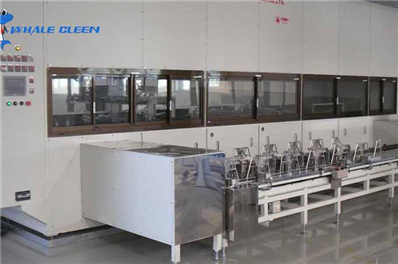
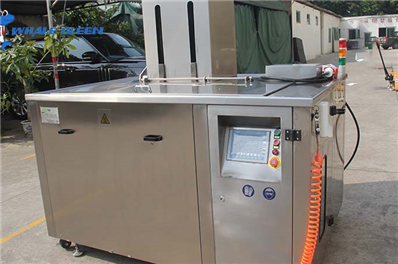
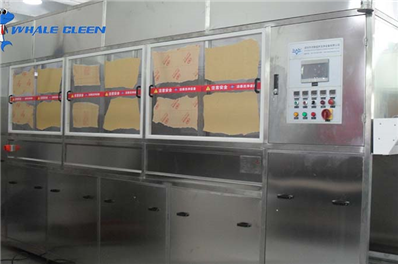
An ultrasonic cleaner typically emits a consistent humming sound during operation, which indicates normal ultrasonic energy transmission. When this sound becomes noticeably quieter or disappears entirely, it often signals an underlying issue. A reduced sound not only affects the user experience but may also reflect a decline in the device's cleaning efficiency. This article systematically analyzes the potential causes of sound reduction and offers detailed solutions.
Before diagnosing the problem, it is essential to recognize the characteristics of normal operation:
A steady, uniform humming noise
Moderate volume without sharp or jarring tones
A low-pitched sound accompanied by the vibration of liquid
Consistent and uninterrupted audio output
Significantly diminished volume or complete silence
Intermittent or fluctuating sound levels
Unusual noises such as rattling or scraping
Accompanying irregular vibrations
The transducer is the core component of an ultrasonic cleaner, converting electrical energy into mechanical vibrations. Over time, natural aging can reduce its efficiency.
Symptoms:
Gradual decrease in sound volume
Corresponding decline in cleaning performance
Extended cleaning time required
Solutions:
Professionally test the transducer’s impedance
Replace aged transducers (requires expert handling)
Perform regular maintenance and avoid prolonged continuous operation
The power system provides the necessary energy for the ultrasonic cleaner. Component failures can lead to insufficient energy output.
Symptoms:
Sudden drop in sound volume
Intermittent operation
Unstable or flickering indicator lights
Solutions:
Check power cords and socket connections
Test output voltage stability
Replace damaged power components
An incorrect water level (too high or too low) can disrupt ultrasonic transmission, causing energy loss and reduced sound.
Symptoms:
Muffled or dull sound
Minimal water surface agitation
Significant decline in cleaning effectiveness
Solutions:
Adhere to the recommended water level guidelines
Ensure the water level is 2–3 cm below the tank rim
Use measuring tools for precise water control
The properties of the cleaning solution directly impact ultrasonic transmission efficiency:
Common Issues:
Overly viscous cleaning solution
Excessive foam acting as a sound barrier
Severely contaminated cleaning liquid
Solutions:
Replace with a suitable cleaning solution
Control detergent usage to minimize foam
Regularly replace the cleaning liquid
Loose or oxidized internal circuit connections can result in energy transmission loss.
Symptoms:
Fluctuating sound volume
Unstable device operation
Faint burning smell
Solutions:
Inspect all circuit connection points
Clean oxidized contact areas
Tighten loose terminal connections
Mechanical issues can impair vibration transmission efficiency:
Common Problems:
Loose transducer mounting screws
Deformed cleaning tank base
Damaged housing connectors
Solutions:
Inspect and tighten all mechanical connections
Repair or replace deformed components
Ensure the integrity of the vibration system
When an ultrasonic cleaner becomes quieter, follow this diagnostic procedure:
Check Water Level: Adjust to the recommended level if incorrect.
Inspect Cleaning Solution: Replace if contaminated or overly viscous.
Perform a Dry Test: Run the device without water. If the sound remains low, the issue may lie with the power supply or circuits.
Gradual Water Test: Add clean water incrementally. If the sound diminishes, the problem may relate to liquid conductivity.
Detergent Test: Add cleaning detergent. If the sound drops, the detergent may be unsuitable.
Proper maintenance can prevent sound reduction issues:
Strictly follow water level requirements
Use recommended detergents and concentrations
Avoid extended continuous operation
Weekly: Check external connections and clean the device surface
Monthly: Inspect internal fasteners and test operational sound
Quarterly: Professional transducer performance testing
Annually: Comprehensive inspection and maintenance
Stable power supply voltage
Dry and well-ventilated environment
Level and stable placement surface
While some minor issues can be resolved independently, exercise caution:
Adjusting water levels and replacing cleaning solutions
Cleaning the device exterior and tank
Checking power cord connections
Transducer testing and replacement
Circuit board repairs
Internal structural adjustments
Important Note: The device contains high-voltage circuits. Non-experts should never disassemble it, as this risks electric shock or further damage.
Consider purchasing a new unit if:
Repair costs exceed 50% of the price of a new device
Core components (e.g., transducers) are severely aged
The device is technologically outdated and energy-inefficient
Frequent malfunctions disrupt normal use
A reduced sound in an ultrasonic cleaner is a technical indicator that should not be ignored. By applying the systematic diagnostic methods and solutions outlined in this article, users can identify the root cause and take appropriate action. Regular maintenance and proper usage are key to maintaining optimal performance and preventing issues like sound reduction.
If the problem persists despite troubleshooting, seeking professional repair services is the most prudent choice. A well-maintained ultrasonic cleaner will deliver reliable and efficient cleaning for years to come.