-
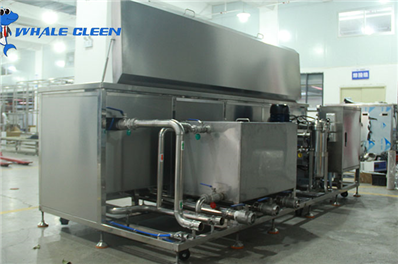 Optimal Frequency and Scope of Complimentary Maintenance for Ultrasonic Cleaning Machines
In the realm of industrial equipment maintenance, particularly concerning ultrasonic cleaning machines, the provision of complimentary maintenance services holds paramount importance. These services, offered typically by manufacturers or suppliers, aim to
-
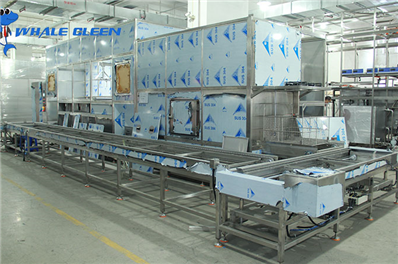 Hydraulic Valve Body Dead‑End Grease Is Hard to Remove – What Are the Practical Ultrasonic Cleaning Tips?
In any hydraulic system, the valve body is the command center. Its internal network of intersecting oil channels, precision spool bores, and tiny flow passages directs the flow, pressure, and direction of hydraulic fluid. A single valve body may contain d
-
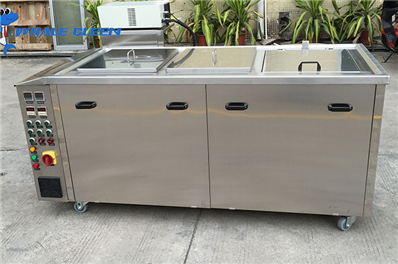 Enhancing Plastic Product Quality with Ultrasonic Cleaning Technology
In various industrial sectors, plastic products have become indispensable components. They serve critical roles in fields such as manufacturing, electronics, and healthcare. However, during production, transportation, and storage processes, plastic surfac
-
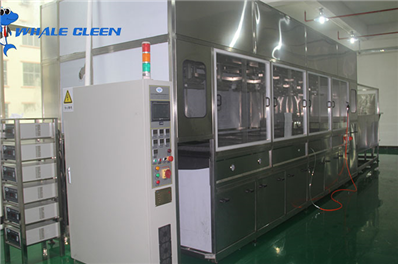 Ultrasonic Cleaning Machine: Removing Rust and Deposits from Metal Pipes
Cleaning metal pipes is a crucial procedure in various industrial applications. Metal pipes serve as essential components in systems transporting fluids, including liquids and gases. However, over time, the inner walls of these pipes tend to accumulate ru
-
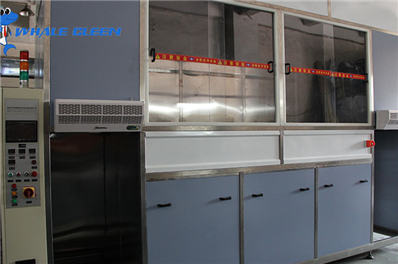 Enhancing Combustion Efficiency and Safety: Ultrasonic Cleaning for Industrial Burners
Industrial burners play a crucial role in various manufacturing processes, providing heat and energy for operations such as heating, drying, and powering machinery. Over time, these burners can accumulate oil stains and dirt on their metal surfaces, leadi
-
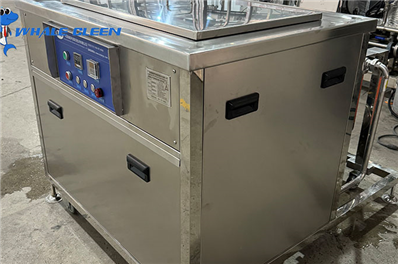 How Ultrasonic Cleaners Enhance Industrial Equipment Cleaning Efficiency
In the modern industrial landscape, the efficiency and longevity of machinery are paramount to maintaining productivity and minimizing downtime. Contaminants such as oils, greases, carbon deposits, and other residues can accumulate on industrial equipment
-
 A New Approach to Industrial Equipment Cleaning: An In-Depth Analysis of Ultrasonic Cleaning Machines
In the realm of industrial maintenance, ensuring that equipment is clean and functioning optimally is crucial for productivity, longevity, and safety. Traditional methods of cleaning often involve manual labor, chemical solvents, or abrasive techniques th
-
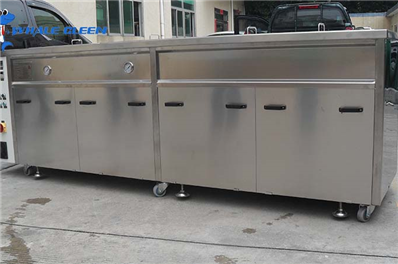 Ultrasonic Cleaning Machine for Blind Holes: How Whale Cleen Meets Strict Acceptance Standards
In precision manufacturing, the most difficult contamination is often the contamination you cannot see. Fine blind holes, narrow slots, threaded ports, and tight crevices can trap polishing dust, lapping residue, metal fines, and oil film. A part may look
-
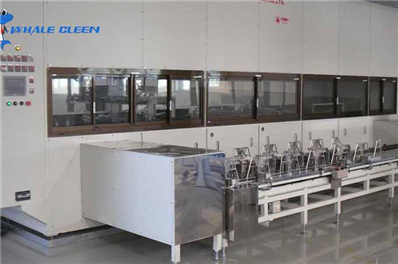 Same Ultrasonic Cleaning, Why Are Some Aerospace Fastener Yield Rates So Much Higher?
In aerospace manufacturing, few quality metrics are as unforgiving as fastener cleanliness. A single micro-fastener — a titanium alloy bolt, a high-strength steel screw, a threaded insert — can carry cutting fluids, lapping compounds, or microscopic metal
-
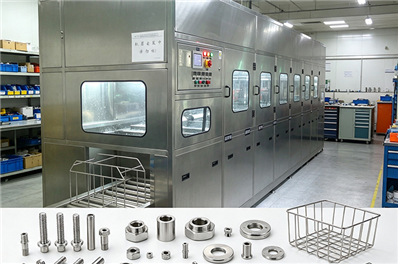 Ultrasonic Cleaning Machine: Why Disassemble Molds When You Can Clean Carbon Deposits in Minutes?
In industrial manufacturing, few maintenance tasks are as time-consuming and costly as mold cleaning. Production managers know the drill all too well: shutdown the line, wait for the mold to cool, disassemble every component, scrub stubborn carbon deposit
-
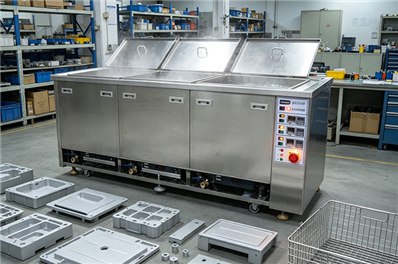 Ultrasonic Electrolytic Cleaning for Molds: Eliminate Gas Coke and Toner Residue That Causes Yellowing and Flow Marks
The Persistent Mold Contamination Problem In injection molding, the mold is the heart of production. But over time, even the best-maintained molds accumulate stubborn contaminants that no amount of wiping or solvent dipping can fully remove. Two of the
-
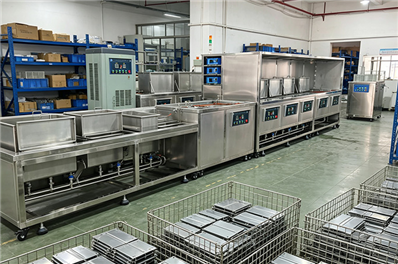 Ultrasonic Cleaning Machine: The Definitive Solution for Rust and Oil Contamination That Spray Cleaning Leaves Behind
In metal parts manufacturing and heavy equipment maintenance, few scenarios are as frustrating—and as costly—as the inspection failure that follows an inadequate cleaning process.The scenario plays out in workshops every day: a batch of precision metal co