-
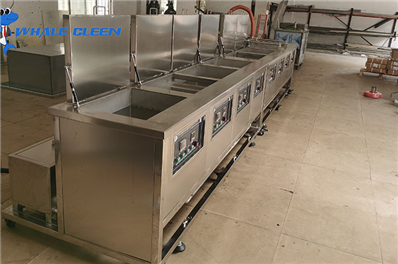 Enhancing Industrial Maintenance: Ultrasonic Bearing Cleaning Machines
Ultrasonic bearing cleaning machines are specialized equipment designed for the thorough cleaning of bearings and their components using ultrasonic cleaning technology. Bearings are crucial mechanical components commonly found in various industrial applic
-
 Why Can't Ultrasonic Cleaners Use Thin Steel Sheets? - An Engineering Analysis of Resonance Principles and Material Selection
In the field of industrial manufacturing and equipment material selection, a fundamental principle is: "The right material for the right application." For ultrasonic cleaners, the choice of material for their core working component—the tank that
-
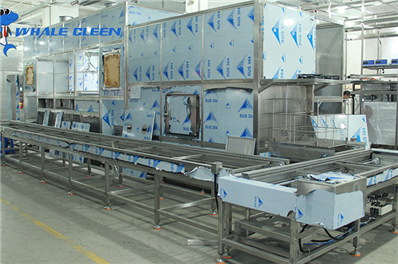 Ultrasonic Cleaning Machine for Aerospace Components: From High-Risk Traditional Methods to Non-Contact Degreasing That Safeguards Flight Safety
In the high-stakes world of aviation maintenance, cleaning is far from a routine chore — it is a direct pillar of flight safety. A single turbine blade contaminated with baked-on carbon deposits, a fuel nozzle with partially clogged orifices, or a hydraul
-
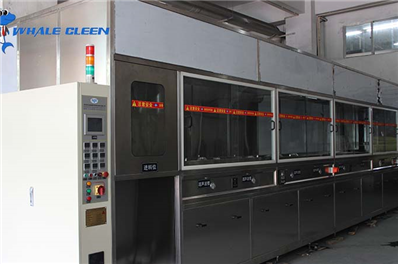 Big Ultrasonic Cleaning Machine: No Off‑the‑Shelf Units – Customized for Factory Non‑Standard Conditions
Walk into any real-world factory, machine shop, or auto parts plant. You will quickly notice that production conditions are rarely “standard.” Workpiece sizes vary wildly. Some components are covered in thick drawing grease, others in fine grinding dust.
-
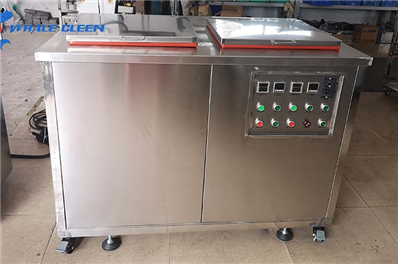 Frequent Downtime? Can’t Find After-Sales Support? For Large Ultrasonic Cleaning Machines, Choose an Experienced Manufacturer That Specializes in Non-Standard Customization
Imagine this: Your production line is running at full capacity. Critical components are moving through the cleaning station—the final step before assembly. Then, without warning, your large ultrasonic cleaning machine goes dark.The red alarm light flashes
-
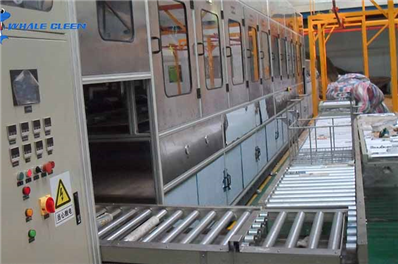 Why Do Ultrasonic Cleaners Heat Up? The Science Behind Temperature Rise and Practical Solutions
Ultrasonic cleaners have become essential tools in various industries, from jewelry cleaning to industrial parts maintenance. Many users notice that during operation, the cleaning solution and the device itself gradually heat up. This phenomenon often rai
-
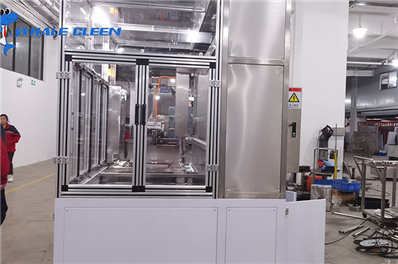 What is a Dual-Frequency Ultrasonic Cleaner? Comprehensive Analysis and Applications
Introduction Ultrasonic cleaning is a widely recognized technology for achieving thorough cleaning in various industries, from healthcare to manufacturing. Traditional ultrasonic cleaners typically operate at a single frequency, which may limit their e
-
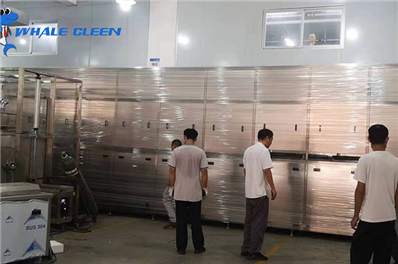 Voltage Requirements for Ultrasonic Cleaning Machines in the United States
In the United States, the voltage requirement for ultrasonic cleaning machines typically aligns with the standard industrial power supply, which is predominantly supplied at either 120 volts (V) or 208-240 volts (V) alternating current (AC). These voltage
-
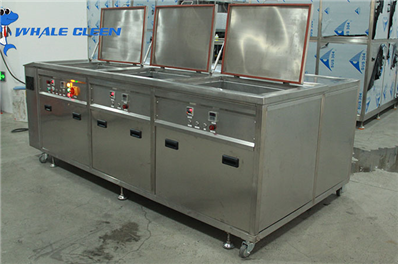 Design Features of Ultrasonic Cleaning Equipment: Enhancing Efficiency and Safety
Ultrasonic cleaning equipment is widely used in various industries for efficient and thorough cleaning. These devices are equipped with several design features that contribute to their effectiveness and versatility. In this article, we will delve into the
-
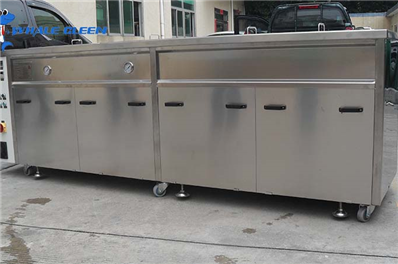 Ultrasonic Cleaning Machine for Blind Holes: How Whale Cleen Meets Strict Acceptance Standards
In precision manufacturing, the most difficult contamination is often the contamination you cannot see. Fine blind holes, narrow slots, threaded ports, and tight crevices can trap polishing dust, lapping residue, metal fines, and oil film. A part may look
-
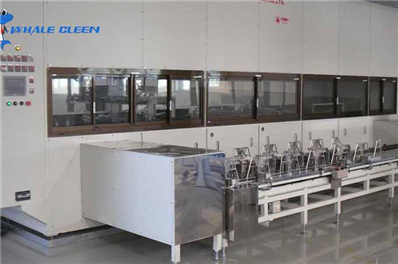 Same Ultrasonic Cleaning, Why Are Some Aerospace Fastener Yield Rates So Much Higher?
In aerospace manufacturing, few quality metrics are as unforgiving as fastener cleanliness. A single micro-fastener — a titanium alloy bolt, a high-strength steel screw, a threaded insert — can carry cutting fluids, lapping compounds, or microscopic metal
-
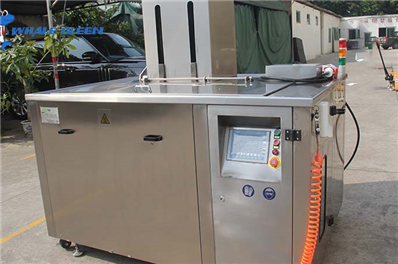 How Ultrasonic Cleaning Reaches the Thread Roots of Micro-Fasteners for Deep Chip and Oil Removal
In precision manufacturing, few challenges are as persistent—or as costly—as cleaning micro-fasteners. Screws, bolts, and threaded inserts with diameters under M2 feature intricate geometries: narrow thread valleys, blind holes, and sharp internal corners