-
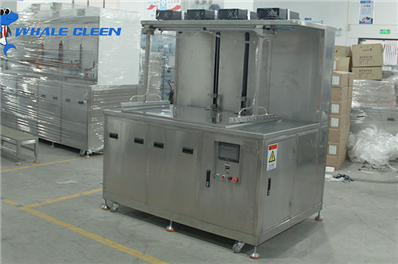 Ultrasonic Cleaning of Metal Electronic Components: Enhancing Performance and Reliability
The cleaning of metal electronic components is a critical process in manufacturing and maintenance industries to ensure optimal performance and reliability. Among the various cleaning methods available, ultrasonic cleaning machines have proven to be highl
-
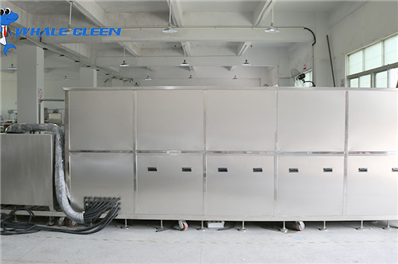 Does an Ultrasonic Cleaner Contain Copper? An In-Depth Examination
Ultrasonic cleaning is a widely adopted technology across various industries, including manufacturing, healthcare, electronics, and jewelry. The fundamental process involves high-frequency sound waves creating microscopic bubbles in a cleaning solution. T
-
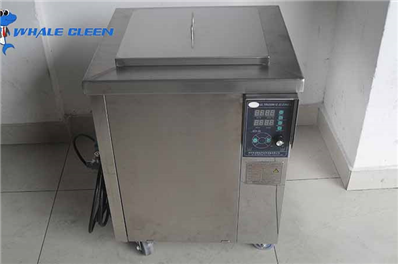 How to choose cleaning agent for ultrasonic cleaning machine
Ultrasonic cleaning is a kind of physical cleaning, and the role of the ultrasonic cleaning agent is auxiliary, with unique chemical destruction of a variety of lubricating oil molecular structures, to achieve rapid and complete removal of heavy grease. T
-
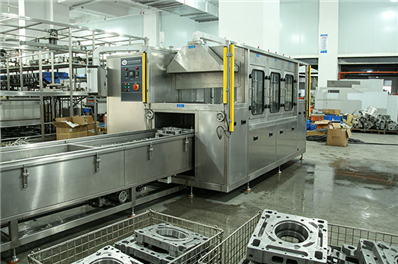 FPC Flexible Board Easily Damaged by Manual Cleaning? Finally, a Solution for High-Volume Degreasing
In electronics manufacturing, few components are as delicate—and as critical—as Flexible Printed Circuits (FPCs). Thin as paper, with trace widths often below 0.03mm, FPCs are the backbone of smartphones, wearables, tablets, and countless other compact de
-
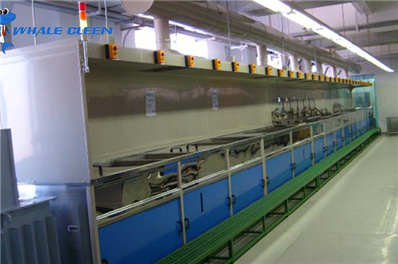 Why Has the Ultrasonic Cleaner's Sound Become Quieter? In-Depth Analysis and Restoration Guide
Anultrasonic cleanertypically emits a consistent humming sound during operation, which indicates normalultrasonic energytransmission. When this sound becomes noticeably quieter or disappears entirely, it often signals an underlying issue. Areduced soundno
-
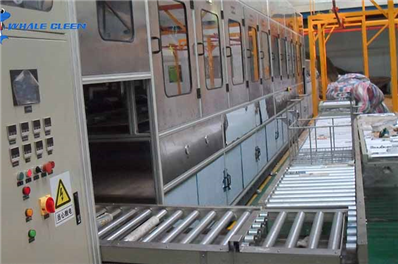 Why Do Ultrasonic Cleaners Heat Up? The Science Behind Temperature Rise and Practical Solutions
Ultrasonic cleaners have become essential tools in various industries, from jewelry cleaning to industrial parts maintenance. Many users notice that during operation, the cleaning solution and the device itself gradually heat up. This phenomenon often rai
-
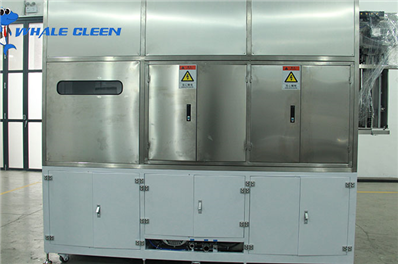 How Does Ultrasonic Cleaning Machine Generate Vibrations?
Ultrasonic cleaning machines are widely recognized for their ability to provide deep, efficient, and non-destructive cleaning solutions across various industries. The core principle behind their effectiveness lies in the generation of high-frequency vibra
-
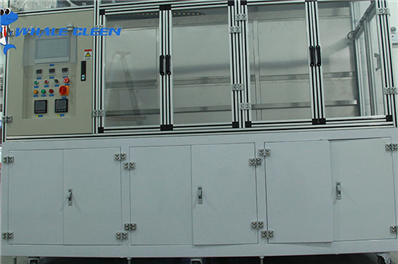 Best Materials for Ultrasonic Cleaning Machines: A Professional Insight
Introduction Ultrasonic cleaning machines are widely used across industries for their efficient and effective cleaning capabilities, particularly in sectors such as electronics, automotive, medical, and manufacturing. The cleaning process relies on the
-
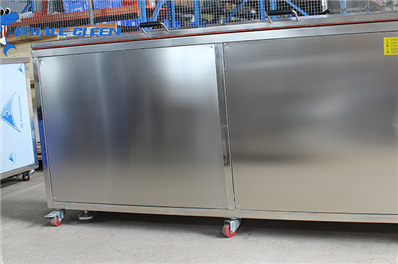 Why Isn't the Ultrasonic Cleaning Machine Vibrating? A Professional Perspective
Ultrasonic cleaning machines rely on high-frequency vibrations to create cavitation bubbles in the cleaning solution, which effectively remove dirt and contaminants from items. However, there are several reasons why an ultrasonic cleaning machine may not
-
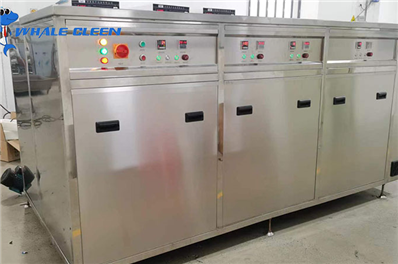 Understanding the Materials Used in Ultrasonic Cleaning Machines
Ultrasonic cleaning machines have become an essential tool in various industries, from medical equipment sterilization to precision engineering, thanks to their ability to clean delicate or intricate objects effectively. A critical aspect of their efficie
-
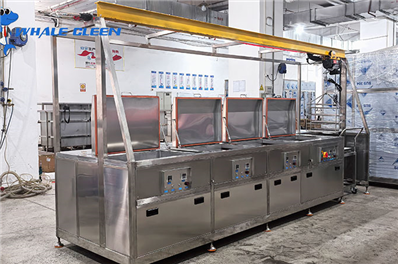 Optimizing Battery Manufacturing Cleaning Processes with Ultrasonic Cleaners
Introduction In the battery manufacturing industry, cleanliness is paramount. Contaminants on battery components can lead to reduced performance, shorter lifespan, and even safety hazards. Ultrasonic cleaning has emerged as an effective solution to opt
-
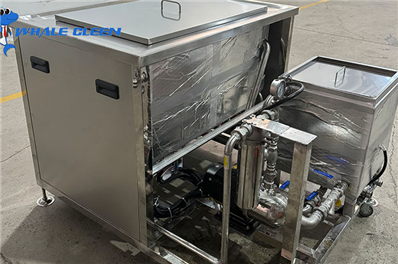 Enhancing the Longevity of Electrical Equipment with Ultrasonic Cleaning Technology
In the power industry, maintaining the operational efficiency and longevity of electrical equipment is critical. Equipment such as transformers, insulators, circuit breakers, and other power distribution devices must function reliably over extended period