-
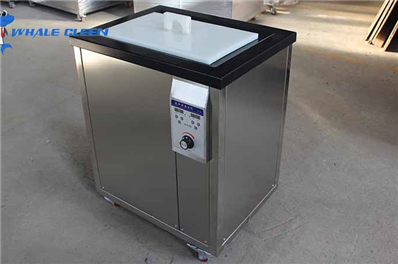 What size ultrasonic cleaner should be used for homogeneous decomposition cleaning in the laboratory?
Many users will ask such a question as to the above. The answer to this question varies from person to person and from craft to craft. The laboratory sample experiment can choose 80W ~ 120W; 2L ~ 3.2L. Blue whale ultrasonic cleaning machine model L
-
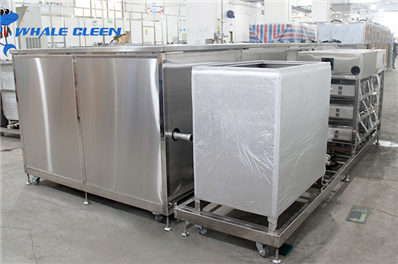 The Same Circuit Board, Different Results: Why Leading Electronics Manufacturers Are Switching to Industrial Ultrasonic Automatic Cleaning Machines
Look at the two PCBs. The first was cleaned with a manual brush and solvent dip. The second came from a fully automated ultrasonic cleaning line. To the naked eye, they look identical—solder joints shining, surfaces spotless, ready for assembly. But un
-
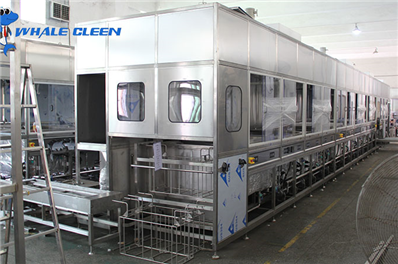 Precision Metal Stamping Parts Cleaning: Key Ultrasonic Equipment Selection Points — Why Whale Cleen Delivers Consistent, Damage‑Free Results
In high‑volume metal stamping production, cleaning is a process that is often underestimated—until it becomes the bottleneck. Stamped parts emerge from the press coated with heavy stamping oil, microscopic metal fines, and occasionally coolant residues. L
-
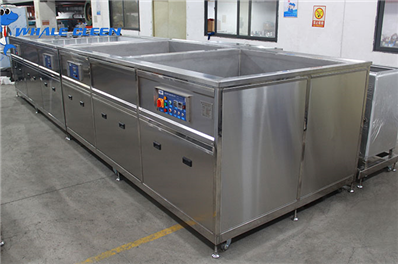 How to Choose a Fuel Injector Ultrasonic Cleaning Machine – A Practical Guide to Getting It Right
Fuel injectors are among the most precision-critical components in any modern engine. Over time, carbon deposits, varnish, and microscopic fuel residue accumulate inside the tiny orifices of the injector nozzle. These contaminants don't just reduce fu
-
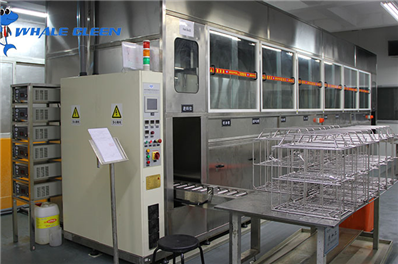 High-Cost-Performance Industrial Ultrasonic Cleaning Machine Brands: Avoid Common Selection Mistakes
In the world of industrial manufacturing, ultrasonic cleaning has become an essential process for ensuring product quality. From automotive parts and precision molds to metal components and electronic assemblies, the demand for reliable, efficient, and co
-
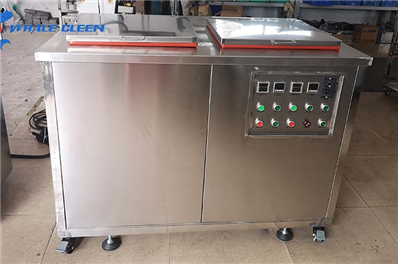 Frequent Downtime? Can’t Find After-Sales Support? For Large Ultrasonic Cleaning Machines, Choose an Experienced Manufacturer That Specializes in Non-Standard Customization
Imagine this: Your production line is running at full capacity. Critical components are moving through the cleaning station—the final step before assembly. Then, without warning, your large ultrasonic cleaning machine goes dark.The red alarm light flashes
-
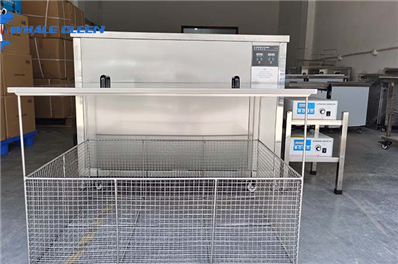 Non-Standard Workpieces with Unique Dimensions? Can’t Find the Right Equipment? A 20-Year Master Technician Specializes in Solving Every “Cleaning Challenge”
Every manufacturing engineer knows the feeling. You’ve sourced the perfect material, invested in precision machining, and built a production workflow that delivers quality. Then comes the cleaning stage—and suddenly, everything grinds to a halt.The part d
-
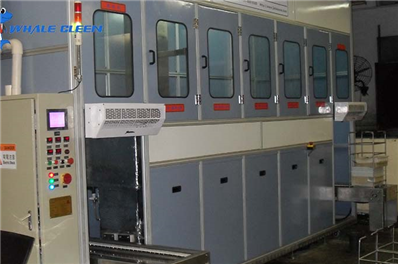 20+ Years Deep in Industrial Cleaning: Specializing in Non‑Standard Customization to Conquer the “Last Mile” of High‑Difficulty Cleaning for Thousands of Manufacturers
The “Last Mile” Problem in Industrial CleaningIn manufacturing, the last mile is often the hardest. You can have a world‑class production line, precision CNC machining, and rigorous quality control—but if a single component carries microscopic contaminati
-
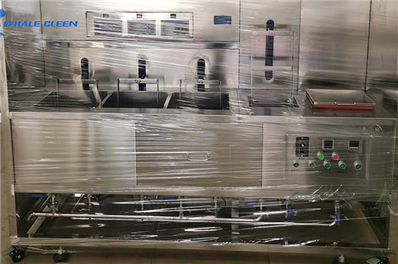 Ultrasonic Cleaner Lid Necessity: Safety, Efficiency, and Performance Explained
When you unbox your newultrasonic cleaner, the included lid might seem like a simple accessory—perhaps even an optional one. Many users are tempted to operate the machine without it, thinking it allows for better visibility or easier access. However, this
-
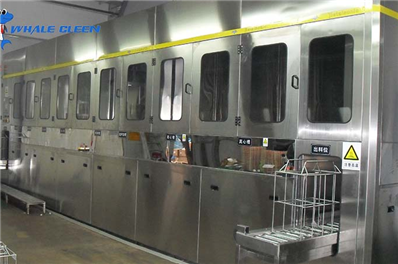 Is Ultrasonic Cleaner Power High? Why? Understanding Power Ratings and Their Impact on Cleaning Performance
Ultrasonic cleaners are widely used in industries ranging from manufacturing to healthcare, but many users wonder about their power consumption and why high power is often emphasized. Understanding the relationship between power and cleaning efficiency is
-
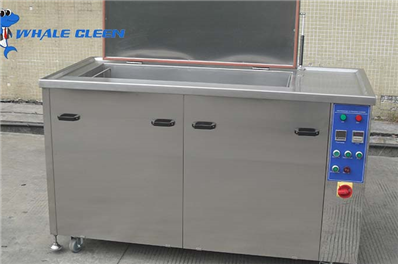 Why Do Ultrasonic Cleaners Need Degassing? The Key to Unlocking Peak Performance
When using an ultrasonic cleaner, many users focus on power settings, cleaning solutions, and cycle duration but overlook a critical step:degassing. This process, which removes dissolved gases from the liquid, might seem minor, but it significantly impact
-
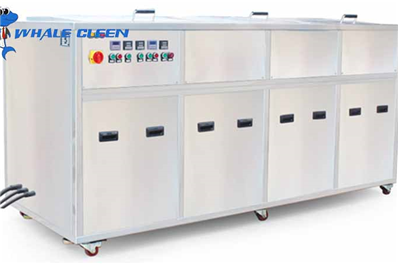 Why Do People Use Ultrasonic Cleaners? The Ultimate Guide to Ultrasonic Cleaning Technology
In today's world of advanced cleaning technology, ultrasonic cleaners have become increasingly popular across various sectors. But what drives people to choose these sophisticated cleaning devices? The answer lies in their unparalleled cleaning capabi