-
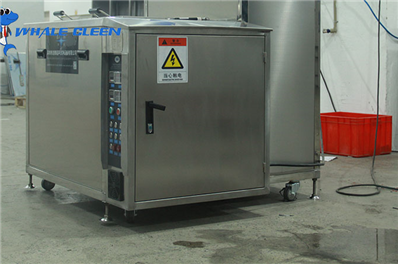 Guidelines for Water Replacement in Ultrasonic Cleaning Machines
In the realm of ultrasonic cleaning technology, the frequency of water replacement in ultrasonic cleaning machines is a critical aspect of maintenance and operational efficiency. The frequency of water replacement is contingent upon several factors, inclu
-
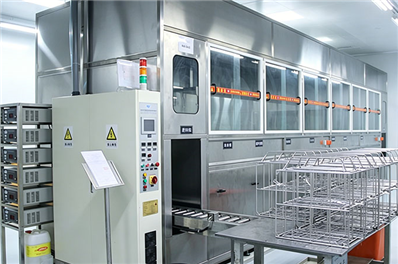 Precision Bearings Prone to Chipping and Scratching? Automated Ultrasonic Cleaning Machine Avoids Component Damage
Precision bearings are the lifeblood of modern mechanical transmission systems—from automotive drivetrains and high-speed machining spindles to aerospace actuators and industrial gearboxes. Yet, in countless workshops and production lines, the delicate ta
-
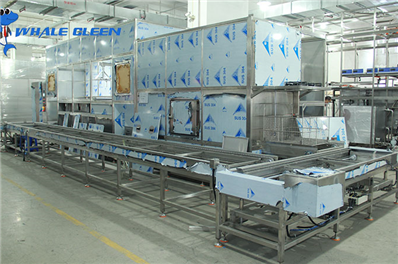 Hydraulic Valve Body Dead‑End Grease Is Hard to Remove – What Are the Practical Ultrasonic Cleaning Tips?
In any hydraulic system, the valve body is the command center. Its internal network of intersecting oil channels, precision spool bores, and tiny flow passages directs the flow, pressure, and direction of hydraulic fluid. A single valve body may contain d
-
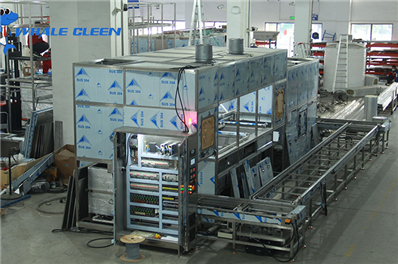 Fuel Nozzle Deep Degreasing Challenge: How Ultrasonic Cleaning Machines Remove Internal Deposits
Fuel nozzles are among the most precision-critical components in any engine—whether for diesel rail systems, gasoline direct injection, or gas turbines. Over their service life, three distinct contaminants accumulate inside the nozzle structure:Coked carb
-
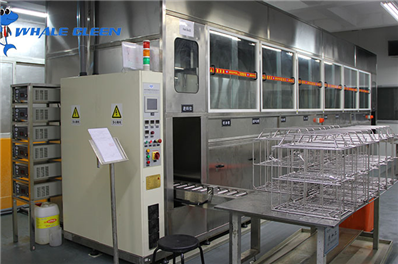 High-Cost-Performance Industrial Ultrasonic Cleaning Machine Brands: Avoid Common Selection Mistakes
In the world of industrial manufacturing, ultrasonic cleaning has become an essential process for ensuring product quality. From automotive parts and precision molds to metal components and electronic assemblies, the demand for reliable, efficient, and co
-
 Why Can't Ultrasonic Cleaners Use Thin Steel Sheets? - An Engineering Analysis of Resonance Principles and Material Selection
In the field of industrial manufacturing and equipment material selection, a fundamental principle is: "The right material for the right application." For ultrasonic cleaners, the choice of material for their core working component—the tank that
-
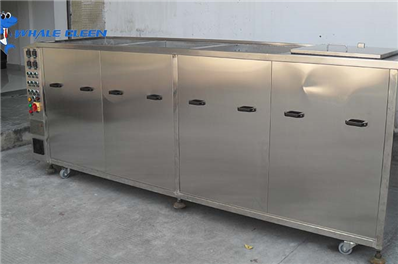 Why Did the Ultrasonic Cleaner Sound Suddenly Become Louder? Causes and Solutions
Ultrasonic cleaners are renowned for their efficiency in cleaning delicate items, from jewelry to medical instruments. However, when the device’s sound suddenly becomes louder than usual, it can be both alarming and indicative of an underlying issue. Unde
-
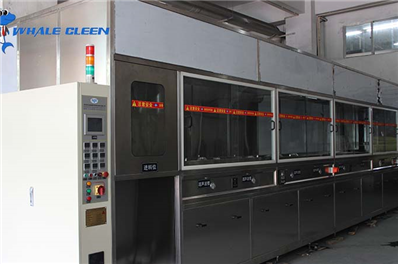 Why Ultrasonic Cleaners Must Not Have Low Water? The Critical Role of Water Level Explained
For anyone who owns an ultrasonic cleaner, the instruction to "fill the tank with adequate water" is as fundamental as it gets. Yet, in moments of haste or curiosity, you might wonder what would happen if you ran it with less water than recommen
-
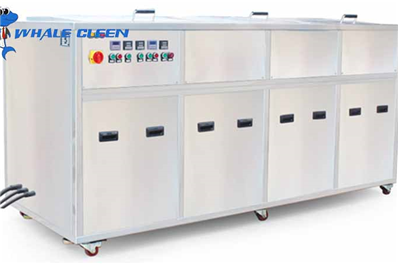 Why Do People Use Ultrasonic Cleaners? The Ultimate Guide to Ultrasonic Cleaning Technology
In today's world of advanced cleaning technology, ultrasonic cleaners have become increasingly popular across various sectors. But what drives people to choose these sophisticated cleaning devices? The answer lies in their unparalleled cleaning capabi
-
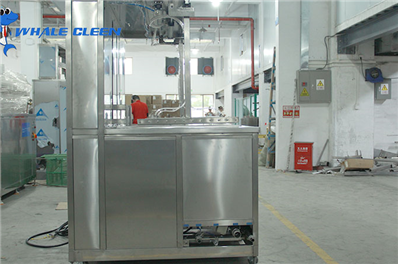 How to Measure an Ultrasonic Cleaner? Comprehensive Guide and Practical Tips
1. The Importance of Measuring Ultrasonic Cleaners The performance of an ultrasonic cleaner directly impacts cleaning efficiency and equipment lifespan. Regular measurement helps avoid issues such as: Reduced Cleaning Efficiency: Aging o
-
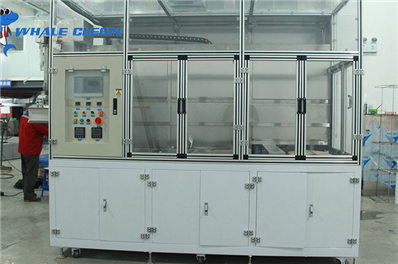 What to Pay Attention to When Repairing Ultrasonic Cleaners: A Comprehensive Guide
Ultrasonic cleaners are invaluable tools for both household and industrial cleaning tasks, offering efficient and thorough cleaning through high-frequency sound waves. However, like any other electronic device, they can encounter issues over time. Repairi
-
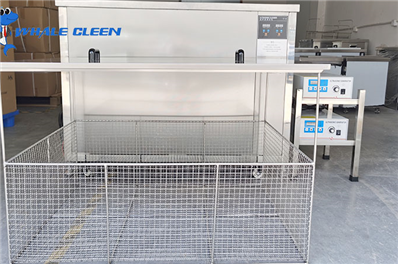 The Outstanding Performance of Ultrasonic Cleaners in Power Equipment Maintenance
In the power generation and distribution industry, maintaining the cleanliness and functionality of electrical equipment is essential for ensuring continuous and efficient operations. The accumulation of dust, dirt, grease, and other contaminants on power