-
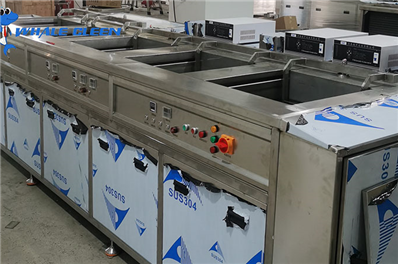 Understanding the Causes of Whistling in Ultrasonic Cleaning Machines: A Technical Analysis
Ultrasonic cleaning machines are widely used for their ability to clean delicate or intricate surfaces using high-frequency sound waves. However, one common issue that can arise during operation is the occurrence of a high-pitched whistling noise, often r
-
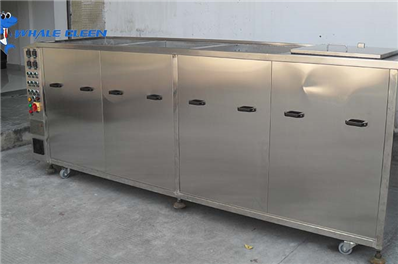 Why Did the Ultrasonic Cleaner Sound Suddenly Become Louder? Causes and Solutions
Ultrasonic cleaners are renowned for their efficiency in cleaning delicate items, from jewelry to medical instruments. However, when the device’s sound suddenly becomes louder than usual, it can be both alarming and indicative of an underlying issue. Unde
-
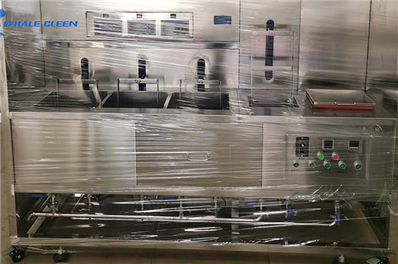 Ultrasonic Cleaner Lid Necessity: Safety, Efficiency, and Performance Explained
When you unbox your newultrasonic cleaner, the included lid might seem like a simple accessory—perhaps even an optional one. Many users are tempted to operate the machine without it, thinking it allows for better visibility or easier access. However, this
-
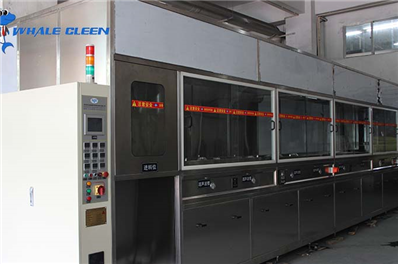 Why Ultrasonic Cleaners Must Not Have Low Water? The Critical Role of Water Level Explained
For anyone who owns an ultrasonic cleaner, the instruction to "fill the tank with adequate water" is as fundamental as it gets. Yet, in moments of haste or curiosity, you might wonder what would happen if you ran it with less water than recommen
-
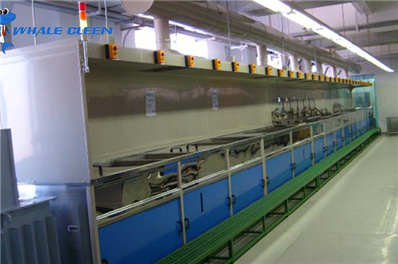 Why Has the Ultrasonic Cleaner's Sound Become Quieter? In-Depth Analysis and Restoration Guide
Anultrasonic cleanertypically emits a consistent humming sound during operation, which indicates normalultrasonic energytransmission. When this sound becomes noticeably quieter or disappears entirely, it often signals an underlying issue. Areduced soundno
-
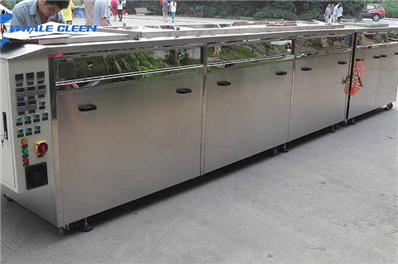 Why Does My Ultrasonic Cleaner Keep Stopping? Troubleshooting Guide and Solutions
Why Does My Ultrasonic Cleaner Keep Stopping? Ultrasonic cleaners are renowned for their efficiency in cleaning delicate items, from jewelry to industrial parts. However, frequent interruptions during operation can be frustrating and may indicate under
-
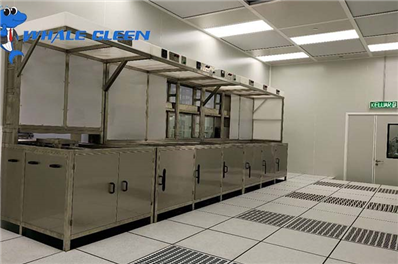 What Adhesive is Used for Ultrasonic Cleaner Transducers? The Complete Bonding Guide
Ultrasonic cleaner transducers (also called piezoelectric vibrators or "振子" in Chinese) require specialized adhesives to ensure optimal performance an……
-
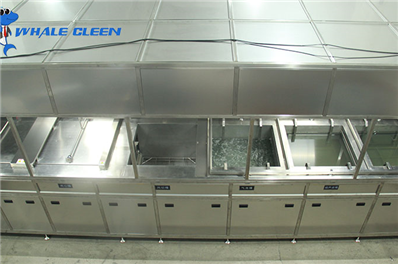 How to Choose Ultrasonic Cleaner Frequency: The Ultimate Guide for Optimal Cleaning Performance
Ultrasonic cleaners use high-frequency sound waves to remove contaminants from surfaces. However,selecting the wrong frequency can lead to poor cleaning results or even damage delicate items. This guide will help you understand: How ultraso
-
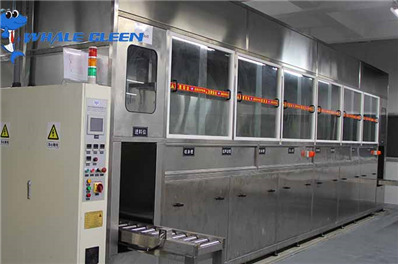 How to Reduce Ultrasonic Cleaner Noise: Effective Solutions and Practical Tips
Ultrasonic cleaners are widely used in industries, laboratories, and medical facilities for their efficient cleaning capabilities. However, the noise they produce (typically 65-85 dB) can be disruptive and even harmful with prolonged exposure. Understandi
-
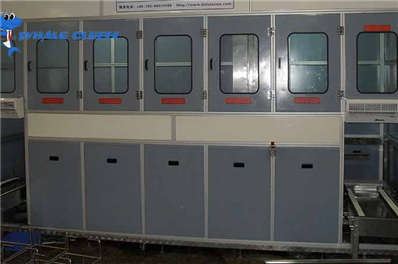 How to Maintain and Clean an Ultrasonic Cleaner: The Ultimate Care Guide
Industry studies show that 60% of ultrasonic cleaner failures result from improper maintenance. This 800+ word guide provides professional-grade care protocols used by laboratory technicians and industrial operators to keep cleaners performing like new.
-
 How to Maintain an Ultrasonic Cleaner: A Comprehensive Guide
Ultrasonic cleaners are powerful and versatile devices used in various industries, from healthcare to manufacturing, for their ability to clean delicate and complex items efficiently. However, like any other equipment, ultrasonic cleaners require regular
-
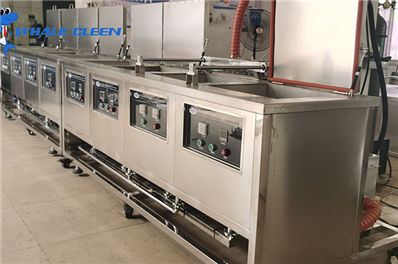 How to Calibrate an Ultrasonic Cleaner: A Step-by-Step Guide to Performance Verification
Article Content 1. The Importance of Calibrating Ultrasonic Cleaners (Keyword Density Optimization) Calibrating ultrasonic cleaners is essential for maintaining performance and reliability: Cleaning Efficiency: Uncalibrated machines c