-
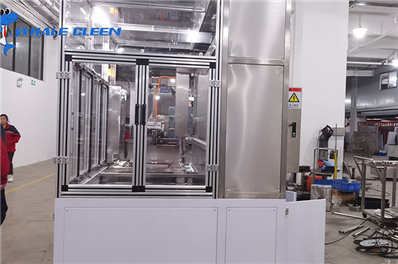 What is a Dual-Frequency Ultrasonic Cleaner? Comprehensive Analysis and Applications
Introduction Ultrasonic cleaning is a widely recognized technology for achieving thorough cleaning in various industries, from healthcare to manufacturing. Traditional ultrasonic cleaners typically operate at a single frequency, which may limit their e
-
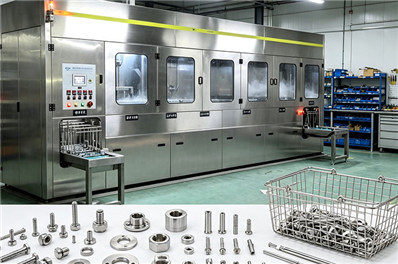 Breaking the Cleaning Bottleneck in Nickel and Gold Plating Lines with Whale cleen Ultrasonic Technology
In high-value surface finishing shops, nickel and gold plating lines demand the highest levels of surface cleanliness. A single fingerprint, a microscopic film of stamping oil, or a speck of polishing compound left on a component will manifest as blisteri
-
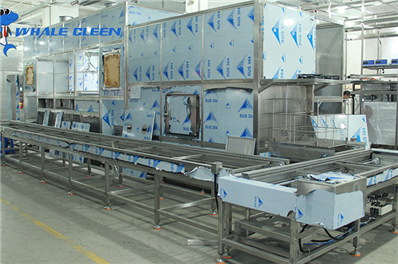 Ultrasonic Cleaning Machine for Aerospace Components: From High-Risk Traditional Methods to Non-Contact Degreasing That Safeguards Flight Safety
In the high-stakes world of aviation maintenance, cleaning is far from a routine chore — it is a direct pillar of flight safety. A single turbine blade contaminated with baked-on carbon deposits, a fuel nozzle with partially clogged orifices, or a hydraul
-
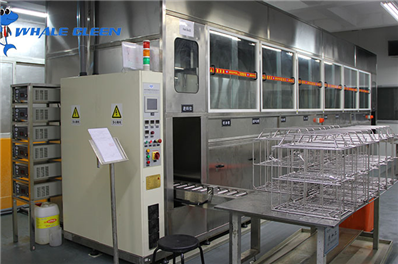 High-Cost-Performance Industrial Ultrasonic Cleaning Machine Brands: Avoid Common Selection Mistakes
In the world of industrial manufacturing, ultrasonic cleaning has become an essential process for ensuring product quality. From automotive parts and precision molds to metal components and electronic assemblies, the demand for reliable, efficient, and co
-
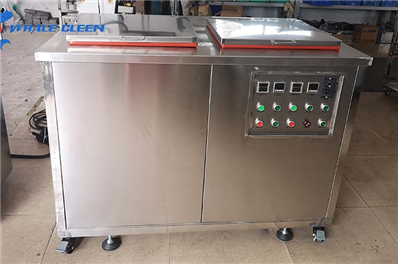 Frequent Downtime? Can’t Find After-Sales Support? For Large Ultrasonic Cleaning Machines, Choose an Experienced Manufacturer That Specializes in Non-Standard Customization
Imagine this: Your production line is running at full capacity. Critical components are moving through the cleaning station—the final step before assembly. Then, without warning, your large ultrasonic cleaning machine goes dark.The red alarm light flashes
-
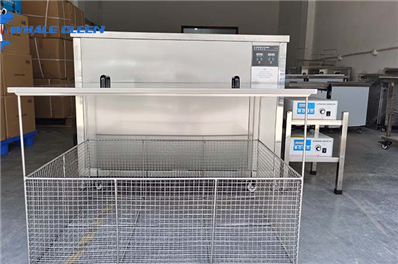 Non-Standard Workpieces with Unique Dimensions? Can’t Find the Right Equipment? A 20-Year Master Technician Specializes in Solving Every “Cleaning Challenge”
Every manufacturing engineer knows the feeling. You’ve sourced the perfect material, invested in precision machining, and built a production workflow that delivers quality. Then comes the cleaning stage—and suddenly, everything grinds to a halt.The part d
-
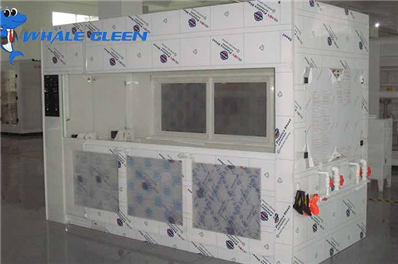 From Single‑Tank to Fully Automated: Where Is the Ceiling for Industrial Ultrasonic Cleaning Machines?
For decades, industrial cleaning was viewed as a necessary but straightforward step—a single tank of solvent, some ultrasonic waves, and a rinse. But as manufacturing tolerances have tightened and component complexity has increased, the question has shift
-
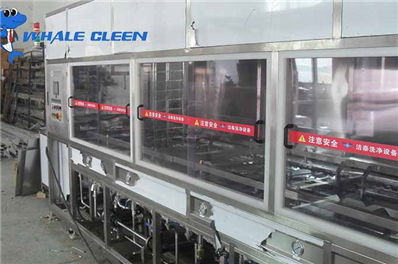 Cleaning Agent Consumption Spiraling Out of Control? How This Equipment Helps You Cut Chemical Costs
Every manufacturing manager knows the drill. You budget for cleaning chemicals, but somehow the actual spend keeps climbing. Drums of expensive cleaning agents disappear faster than expected. Waste disposal costs rise in tandem. And despite the growing ex
-
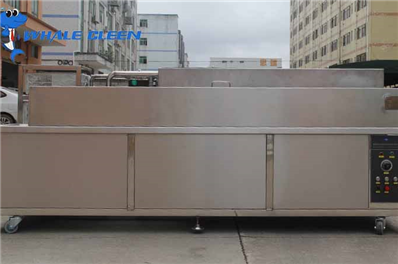 Blind Spots and Dead Corners Causing Customer Complaints? Don’t Let Incomplete Cleaning Ruin Your Entire Order
In precision manufacturing, there is one mistake that buyers rarely forgive: contamination hidden where it shouldn’t be. You may have delivered parts on time, met all dimensional specifications, and passed visual inspection—but if a customer discovers res
-
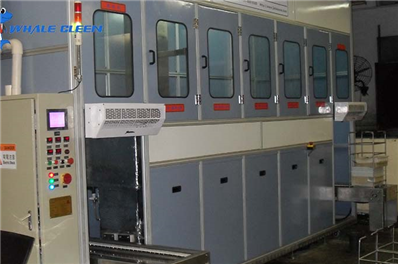 20+ Years Deep in Industrial Cleaning: Specializing in Non‑Standard Customization to Conquer the “Last Mile” of High‑Difficulty Cleaning for Thousands of Manufacturers
The “Last Mile” Problem in Industrial CleaningIn manufacturing, the last mile is often the hardest. You can have a world‑class production line, precision CNC machining, and rigorous quality control—but if a single component carries microscopic contaminati
-
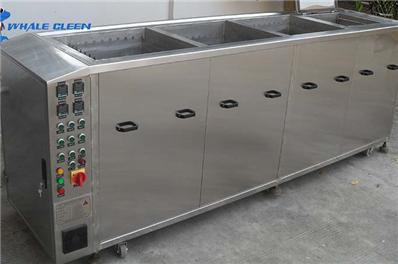 Reject “Assembly-Line” Cleaning: How We Make Cylinder Blocks and Microelectronic Components Equally Clean in the Same Workshop
The Myth of Universal CleaningIn traditional manufacturing, cleaning lines are often designed for a single type of component. Heavy parts like engine cylinder blocks rattle through aggressive spray washers, while delicate microelectronic components are ha
-
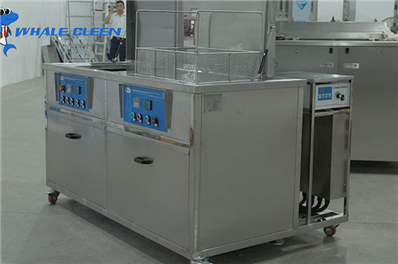 What Solutions Can Be Added to Ultrasonic Cleaners? A Professional Guide
Ultrasonic cleaners use high-frequency sound waves to generate cavitation bubbles that clean surfaces by dislodging contaminants. While the physical action of the sound waves is highly effective, adding the right solution can significantly enhance cleanin