-
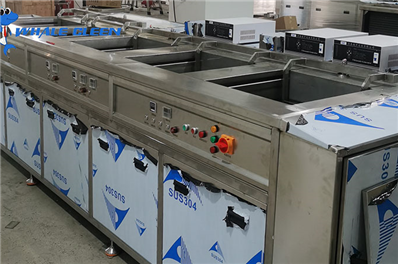 Understanding the Causes of Whistling in Ultrasonic Cleaning Machines: A Technical Analysis
Ultrasonic cleaning machines are widely used for their ability to clean delicate or intricate surfaces using high-frequency sound waves. However, one common issue that can arise during operation is the occurrence of a high-pitched whistling noise, often r
-
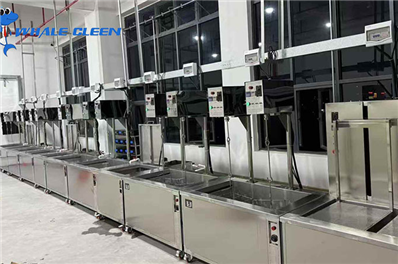 Vacuum Coating Pre-Cleaning: Dedicated Ultrasonic Cleaning Machines – A Head-to-Head Brand Comparison
In vacuum coating processes such as PVD (Physical Vapor Deposition) and CVD (Chemical Vapor Deposition), the quality of the final coating is directly determined by the cleanliness of the substrate. A single speck of oil, a microscopic particle, or a resid
-
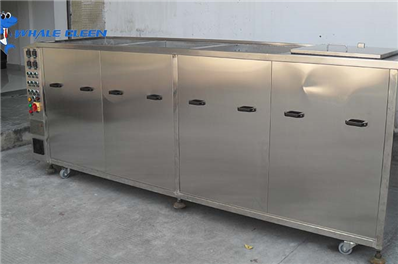 Why Did the Ultrasonic Cleaner Sound Suddenly Become Louder? Causes and Solutions
Ultrasonic cleaners are renowned for their efficiency in cleaning delicate items, from jewelry to medical instruments. However, when the device’s sound suddenly becomes louder than usual, it can be both alarming and indicative of an underlying issue. Unde
-
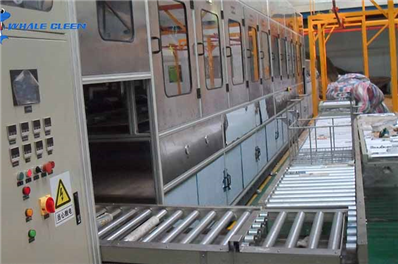 Why Do Ultrasonic Cleaners Heat Up? The Science Behind Temperature Rise and Practical Solutions
Ultrasonic cleaners have become essential tools in various industries, from jewelry cleaning to industrial parts maintenance. Many users notice that during operation, the cleaning solution and the device itself gradually heat up. This phenomenon often rai
-
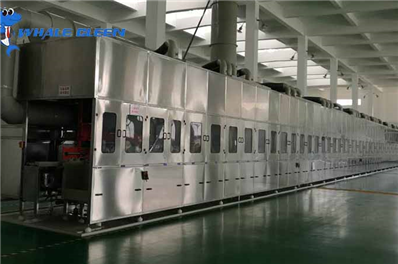 How to Use Ultrasonic Cleaners for Auto Repair: A Complete Guide to Cleaning Car Parts
1. Why Use Ultrasonic Cleaners in Auto Repair? Ultrasonic cleaning is10x fasterthan manual scrubbing (industry tests show 90%+ contaminant removal in 15 minutes). Benefits include: Deep cleaningof intricate parts (fuel injectors, turbo f
-
 How to Simply Test an Ultrasonic Cleaner: A Step-by-Step Guide
1. Why Regular Testing is Important Common Signs of a Faulty Ultrasonic Cleaner Weak or no cleaning action Unusual noises (buzzing, rattling) Overheating or inconsistent performance Visible da
-
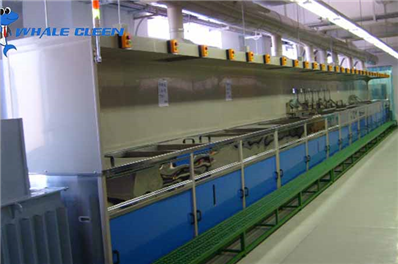 How to Wire a Single Tank Ultrasonic Cleaner? A Step-by-Step Installation Guide
Why Proper Wiring Matters for Ultrasonic Cleaners? Industry data shows that35% of ultrasonic cleaner failuresare caused by incorrect wiring (Source:Ultrasonic Technology Journal, 2023). Key risks include: Electrical shortsfrom improper g
-
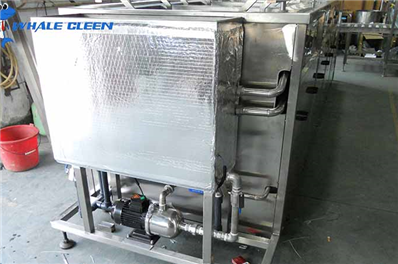 How to Clean Printheads with an Ultrasonic Cleaner? The Ultimate Guide for Optimal Performance
1. Why Use an Ultrasonic Cleaner for Printheads? Deep Cleaning: Ultrasonic waves (40-60kHz) penetrate microscopic nozzle clogs that manual wiping cannot resolve. Efficiency: Cleans 3x faster than soaking methods (5 min vs. 15
-
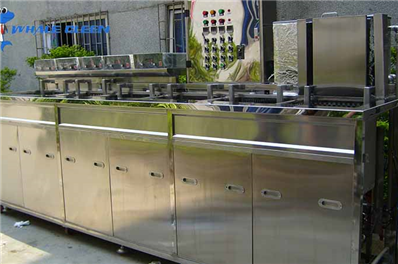 The Complete Guide to Cleaning Test Tubes with an Ultrasonic Cleaner
1. Why Use an Ultrasonic Cleaner for Test Tubes? Superior Cleaning:Removes stubborn residues (chemical, biological, or particulate) Gentle on Glass:Prevents scratches compared to manual scrubbing Time-Efficient
-
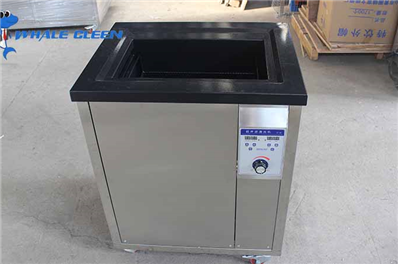 How to Adjust Ultrasonic Cleaner for Optimal Performance
In today's fast-paced world, maintaining cleanliness and efficiency in both household and industrial settings is crucial. Ultrasonic cleaners have emerged as powerful tools for thorough and gentle cleaning of delicate items. However, to maximize their
-
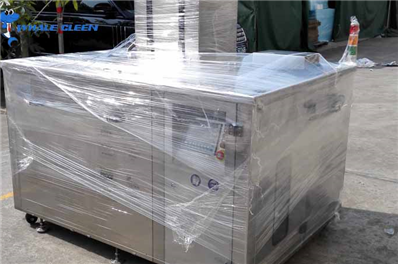 The Complete Guide to Cleaning PCBs with Ultrasonic Cleaners: 5-Step Process for Optimal Results
1. The Importance of Proper PCB Cleaning: Industry Insights According to the 2024 Global Electronics Manufacturing Report: Improper cleaning causes 35% of PCB failures Ultrasonic cleaning improves solder joint reliability
-
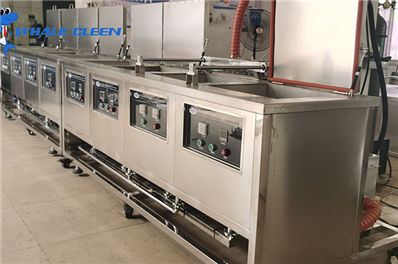 How to Calibrate an Ultrasonic Cleaner: A Step-by-Step Guide to Performance Verification
Article Content 1. The Importance of Calibrating Ultrasonic Cleaners (Keyword Density Optimization) Calibrating ultrasonic cleaners is essential for maintaining performance and reliability: Cleaning Efficiency: Uncalibrated machines c