-
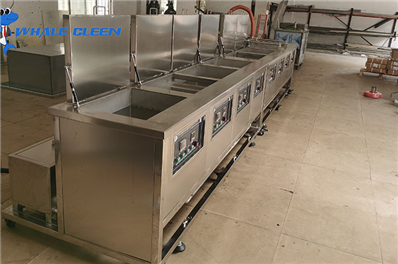 Enhancing Industrial Maintenance: Ultrasonic Bearing Cleaning Machines
Ultrasonic bearing cleaning machines are specialized equipment designed for the thorough cleaning of bearings and their components using ultrasonic cleaning technology. Bearings are crucial mechanical components commonly found in various industrial applic
-
 A New Approach to Industrial Equipment Cleaning: An In-Depth Analysis of Ultrasonic Cleaning Machines
In the realm of industrial maintenance, ensuring that equipment is clean and functioning optimally is crucial for productivity, longevity, and safety. Traditional methods of cleaning often involve manual labor, chemical solvents, or abrasive techniques th
-
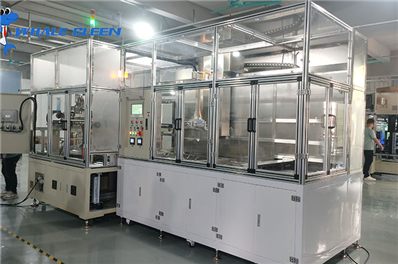 Ultrasonic Cleaning Equipment: An Efficient Method for Cleaning Chemical Equipment
In the realm of industrial maintenance, the cleaning of chemical equipment is a critical task that ensures operational efficiency, safety, and longevity of the machinery. Traditional cleaning methods, often involving manual scrubbing or chemical solvents,
-
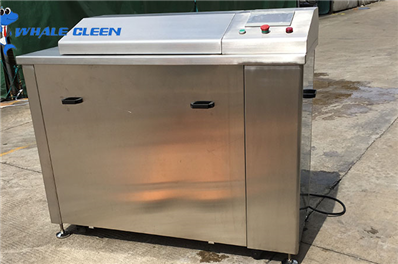 Enhancing Industrial Metal Valve Performance with Ultrasonic Cleaning Machines
Industrial valves play a crucial role in controlling and regulating the flow of fluids within industrial processes. However, over time, these valves accumulate various impurities, particles, and corrosion products within their internals, leading to impair
-
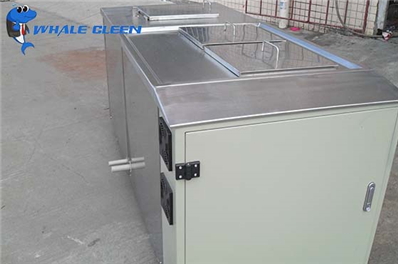 Why Do Ultrasonic Cleaners Use 28kHz Frequency? The Science Behind the Power Setting
When shopping for an ultrasonic cleaner, you'll quickly encounter a key specification: frequency. Among the most common options is28kHz. This number isn't arbitrary; it represents a deliberate engineering choice that makes this frequency a powerho
-
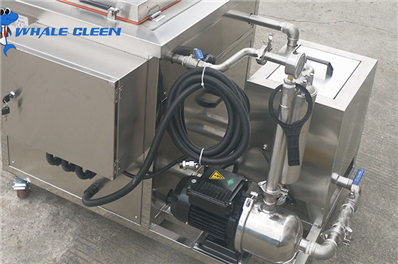 How Ultrasonic Cleaners Enhance the Longevity of Industrial Equipment
Introduction In modern industrial environments, machinery and equipment often operate under demanding conditions, which can lead to wear, corrosion, and the accumulation of debris or contaminants. One of the most effective ways to maintain the longevit
-
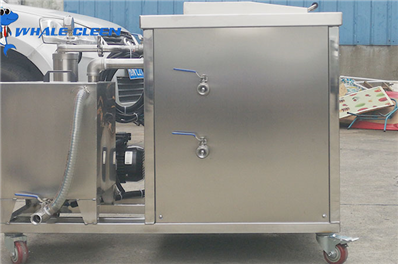 Ultrasonic Cleaning Systems: Revolutionizing Maintenance Solutions in the Power Industry
The power industry is a cornerstone of modern civilization, powering homes, industries, and economies. However, maintaining the equipment that generates, transmits, and distributes energy is a complex and costly endeavor. One critical aspect of this maint
-
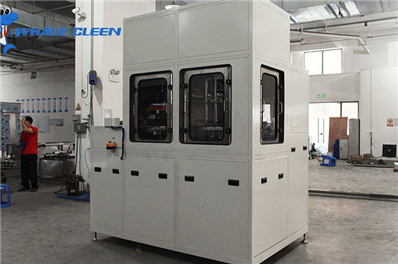 The Superior Performance of Ultrasonic Cleaners: A Game-Changer in Industrial Cleaning
In the realm of industrial cleaning, ensuring equipment and components are thoroughly cleaned is critical for maintaining efficiency, preventing breakdowns, and ensuring safety. Traditional cleaning methods, such as manual scrubbing or chemical treatments
-
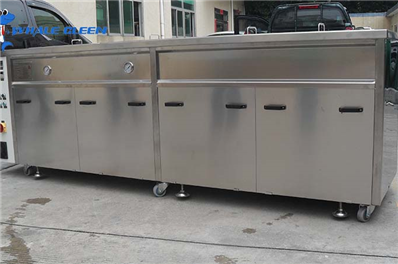 Ultrasonic Cleaning Machine for Blind Holes: How Whale Cleen Meets Strict Acceptance Standards
In precision manufacturing, the most difficult contamination is often the contamination you cannot see. Fine blind holes, narrow slots, threaded ports, and tight crevices can trap polishing dust, lapping residue, metal fines, and oil film. A part may look
-
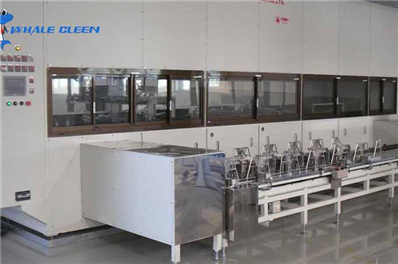 Same Ultrasonic Cleaning, Why Are Some Aerospace Fastener Yield Rates So Much Higher?
In aerospace manufacturing, few quality metrics are as unforgiving as fastener cleanliness. A single micro-fastener — a titanium alloy bolt, a high-strength steel screw, a threaded insert — can carry cutting fluids, lapping compounds, or microscopic metal
-
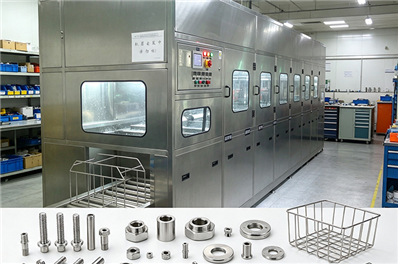 Ultrasonic Cleaning Machine: Why Disassemble Molds When You Can Clean Carbon Deposits in Minutes?
In industrial manufacturing, few maintenance tasks are as time-consuming and costly as mold cleaning. Production managers know the drill all too well: shutdown the line, wait for the mold to cool, disassemble every component, scrub stubborn carbon deposit
-
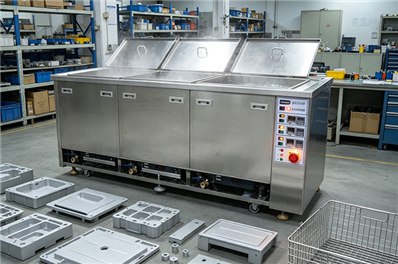 Ultrasonic Electrolytic Cleaning for Molds: Eliminate Gas Coke and Toner Residue That Causes Yellowing and Flow Marks
The Persistent Mold Contamination Problem In injection molding, the mold is the heart of production. But over time, even the best-maintained molds accumulate stubborn contaminants that no amount of wiping or solvent dipping can fully remove. Two of the