-
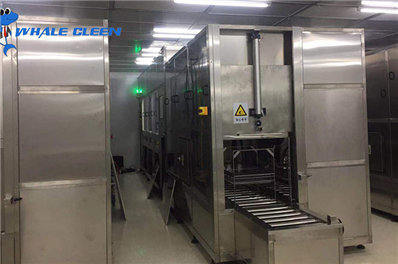 Ultrasonic Cleaning Technology: Restoring Aging Items through Deep Cleaning
Deep cleaning is a critical process for restoring aging items to their original state and functionality. Over time, aged items accumulate various contaminants, oxidation, and other deposits due to prolonged use, storage, or exposure to environmental condi
-
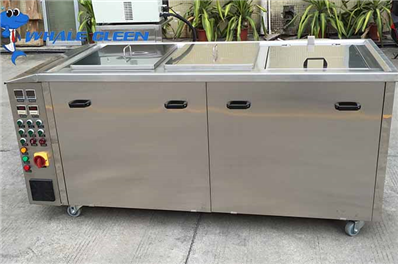 How to Use Ultrasonic Cleaners for Automotive Repair? A Step-by-Step Guide
1. Why Use Ultrasonic Cleaners in Automotive Repair? Ultrasonic cleaning is a game-changer for auto shops and DIY mechanics because: Deep Cleaning: Removes 90%+ of contaminants (oil, carbon, rust) from complex parts like fuel injectors.
-
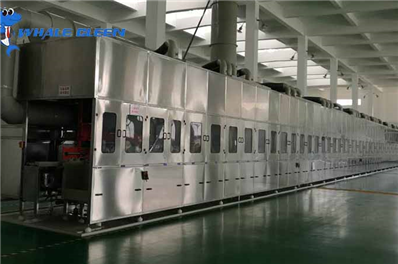 How to Use Ultrasonic Cleaners for Auto Repair: A Complete Guide to Cleaning Car Parts
1. Why Use Ultrasonic Cleaners in Auto Repair? Ultrasonic cleaning is10x fasterthan manual scrubbing (industry tests show 90%+ contaminant removal in 15 minutes). Benefits include: Deep cleaningof intricate parts (fuel injectors, turbo f
-
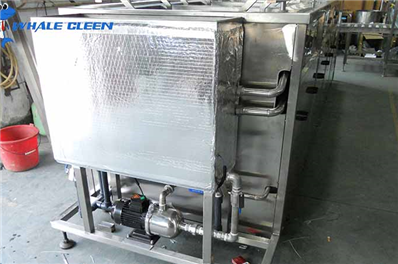 How to Clean Printheads with an Ultrasonic Cleaner? The Ultimate Guide for Optimal Performance
1. Why Use an Ultrasonic Cleaner for Printheads? Deep Cleaning: Ultrasonic waves (40-60kHz) penetrate microscopic nozzle clogs that manual wiping cannot resolve. Efficiency: Cleans 3x faster than soaking methods (5 min vs. 15
-
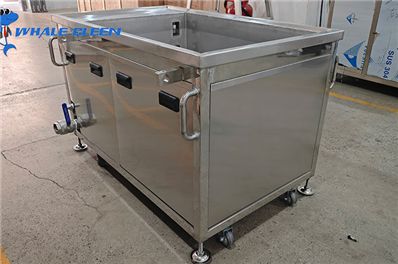 The Outstanding Efficiency of Ultrasonic Cleaners in Sanitary Ware Maintenance
Sanitary ware, including bathroom fixtures like sinks, toilets, and bathtubs, plays a crucial role in ensuring cleanliness and hygiene in both residential and commercial spaces. Over time, these items become breeding grounds for bacteria, mold, limescale,
-
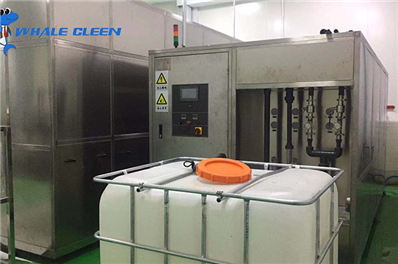 Ultrasonic Cleaning: Precision Restoration of Artifacts and Industrial Components
Deep cleaning has emerged as a crucial aspect in various industries, and one of the advanced techniques employed is ultrasonic cleaning. This method utilizes high-frequency sound waves to generate microscopic bubbles that implode, producing powerful clean
-
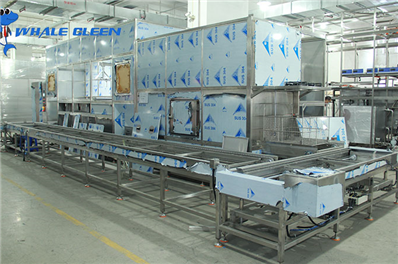 Hydraulic Valve Body Dead‑End Grease Is Hard to Remove – What Are the Practical Ultrasonic Cleaning Tips?
In any hydraulic system, the valve body is the command center. Its internal network of intersecting oil channels, precision spool bores, and tiny flow passages directs the flow, pressure, and direction of hydraulic fluid. A single valve body may contain d
-
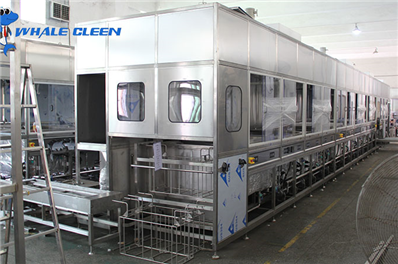 Precision Metal Stamping Parts Cleaning: Key Ultrasonic Equipment Selection Points — Why Whale Cleen Delivers Consistent, Damage‑Free Results
In high‑volume metal stamping production, cleaning is a process that is often underestimated—until it becomes the bottleneck. Stamped parts emerge from the press coated with heavy stamping oil, microscopic metal fines, and occasionally coolant residues. L
-
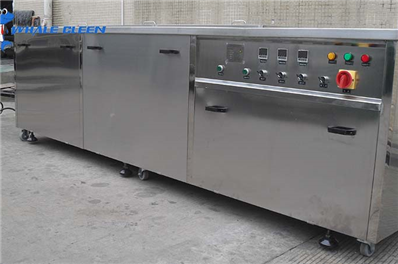 Why Do Ultrasonic Cleaners Have Multiple Cleaning Stages? The Science Behind the Process
Ultrasonic cleaners are widely used in industries such as manufacturing, healthcare, jewelry, and automotive for their ability to clean intricate items with precision. However, many users wonder why these machines often involve multiple cleaning stages in
-
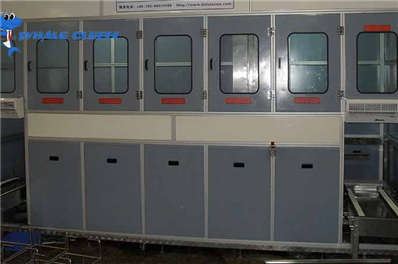 How to Maintain and Clean an Ultrasonic Cleaner: The Ultimate Care Guide
Industry studies show that 60% of ultrasonic cleaner failures result from improper maintenance. This 800+ word guide provides professional-grade care protocols used by laboratory technicians and industrial operators to keep cleaners performing like new.
-
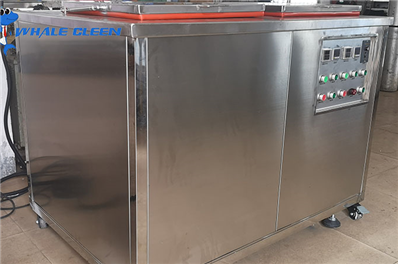 Ultrasonic Cleaners: The Pioneering Technology for Metal Cleaning
1. Introduction to Ultrasonic Cleaning Technology Ultrasonic cleaning has become one of the most effective and efficient methods for cleaning metal parts across various industries. This technology utilizes high-frequency sound waves (usually between 20
-
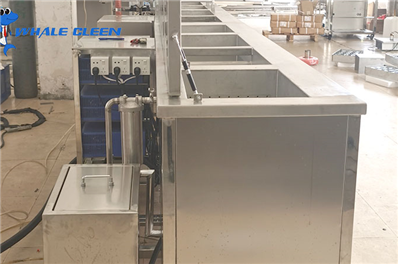 Addressing Pharmaceutical Cleaning Challenges with Ultrasonic Cleaning Technology
Introduction The pharmaceutical industry faces unique cleaning challenges due to stringent regulations, the need for high levels of cleanliness, and the necessity to prevent contamination in drug production. Ultrasonic cleaning technology has emerged a