-
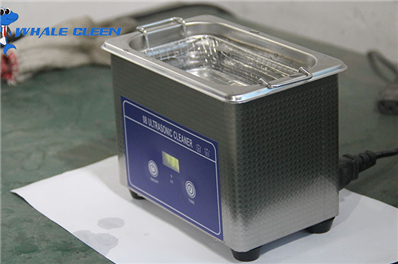 Maximizing Ultrasonic Cleaning Machine Lifespan: A Comprehensive Perspective
In the industrial landscape, the longevity of ultrasonic cleaning machines is a crucial consideration for businesses aiming to maintain operational efficiency and minimize equipment replacement costs. The lifespan of an ultrasonic cleaning machine depends
-
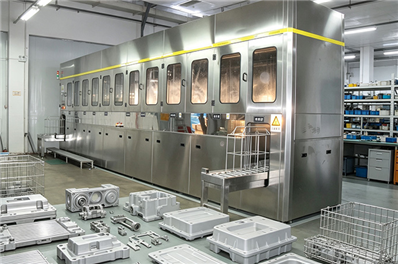 How Many Types of Electroplating Hardware Blanks Can One Ultrasonic Cleaning Machine Handle?
Walk into any hardware electroplating facility, and you will see a staggering variety of workpieces moving through the production line. Stamped brackets, machined housings, threaded fasteners, die-cast components, precision turned parts—each with its own
-
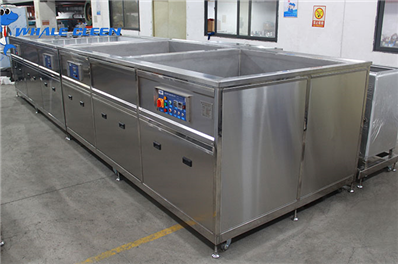 How to Choose a Fuel Injector Ultrasonic Cleaning Machine – A Practical Guide to Getting It Right
Fuel injectors are among the most precision-critical components in any modern engine. Over time, carbon deposits, varnish, and microscopic fuel residue accumulate inside the tiny orifices of the injector nozzle. These contaminants don't just reduce fu
-
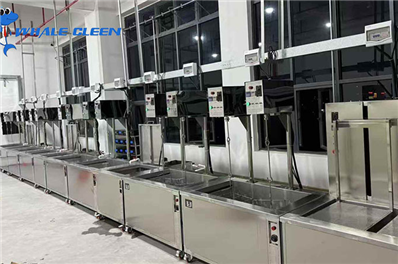 Vacuum Coating Pre-Cleaning: Dedicated Ultrasonic Cleaning Machines – A Head-to-Head Brand Comparison
In vacuum coating processes such as PVD (Physical Vapor Deposition) and CVD (Chemical Vapor Deposition), the quality of the final coating is directly determined by the cleanliness of the substrate. A single speck of oil, a microscopic particle, or a resid
-
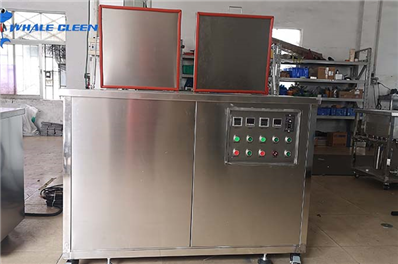 Production Capacity Stuck Because Cleaning Is Too Slow? Don't Let Your Cleaning Line Become the Factory's Bottleneck
Every production manager knows the feeling. You've optimized the machining center. You've streamlined assembly. You've even fine-tuned packaging. But somewhere in the middle of your production line, there's a bottleneck that no amount of s
-
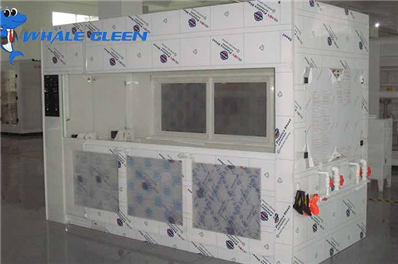 From Single‑Tank to Fully Automated: Where Is the Ceiling for Industrial Ultrasonic Cleaning Machines?
For decades, industrial cleaning was viewed as a necessary but straightforward step—a single tank of solvent, some ultrasonic waves, and a rinse. But as manufacturing tolerances have tightened and component complexity has increased, the question has shift
-
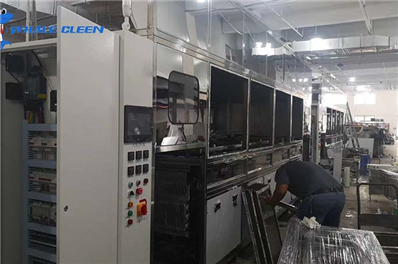 Struggling with Mold Residue That Compromises Part Quality? Discover Ultrasonic Cleaning Solutions
In precision manufacturing, the mold is the birthplace of your product. Every imperfection on the mold surface—every speck of carbon, every trace of resin, every microscopic oil residue—gets faithfully reproduced on every single part that emerges from it.
-
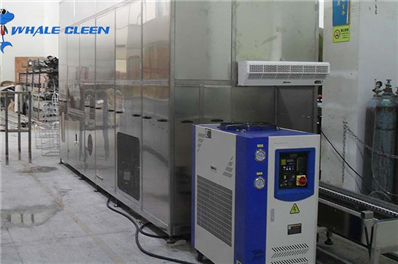 Why Ultrasonic Cleaners Remove Paint? The Science Behind Paint Stripping & Prevention Tips
When using an ultrasonic cleaner for the first time, many users are shocked to find that painted surfaces emerge stripped or damaged. This raises an important question: why do ultrasonic cleaners remove paint, and how can you prevent it? Understanding the
-
 Why Do Ultrasonic Cleaners Heat Up? The Science Behind Temperature Rise and Practical Solutions
Ultrasonic cleaners have become essential tools in various industries, from jewelry cleaning to industrial parts maintenance. Many users notice that during operation, the cleaning solution and the device itself gradually heat up. This phenomenon often rai
-
 How to Remove Rust with an Ultrasonic Cleaner: The Ultimate Guide
Rust removal is one of the most challenging cleaning tasks, butultrasonic cleanerscan make it surprisingly efficient and thorough. This guide will walk you through the science behind ultrasonic rust removal, step-by-step instructions, and expert tips to r
-
 How to Clean a Gold Ring with an Ultrasonic Cleaner: Step-by-Step Guide & Precautions
Article Content: 1. Introduction to Ultrasonic Cleaning for Gold Rings Ultrasonic cleaners use high-frequency sound waves to remove dirt and grime from jewelry. While effective, improper use can damage delicate gold rings or gemstones. Follow these
-
 How to Clean Watches with an Ultrasonic Cleaner: A Comprehensive Guide for Safe and Effective Maintenance
Article Outline 1.The Science Behind Ultrasonic Watch Cleaning How ultrasonic waves (40-60kHz) remove dirt from intricate mechanisms Benefits over traditional cleaning: 95% removal of oils and microparticles