-
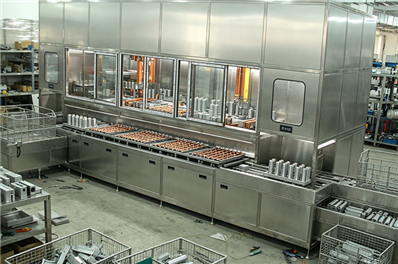 The Milling Cutter & Tap Cleaning Secret: Why Ultrasonic Outperforms Manual Methods
In any precision machining environment, the cleanliness of cutting tools like milling cutters and taps is directly linked to part quality, tool life, and production stability. Yet, the most common cleaning method—manual scrubbing with brushes, cloths, or
-
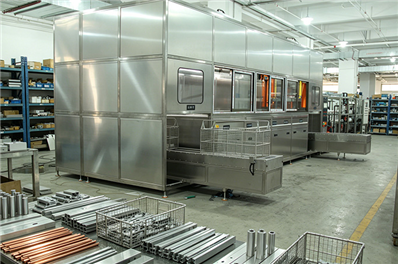 One Automatic Ultrasonic Cleaning Machine: How to Handle Milling Cutters, Calipers, and Taps with Ease
In a typical machining workshop, the tool and gauge cabinet is a study in diversity. You will find high-speed steel milling cutters with sharp, complex flutes; precision calipers with delicate measuring faces and rack teeth; and hardened taps with intrica
-
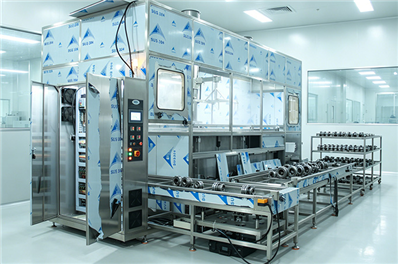 Thread Tap Residue Ruining Precision? How Ultrasonic Cleaning Eliminates Cutting Paste Without Damaging Thread Accuracy
In precision machining, few operations are as demanding as thread tapping. The cutting paste—a thick blend of lubricants, extreme-pressure additives, and fine abrasive particles—is essential for protecting taps and achieving clean thread profiles. But aft
-
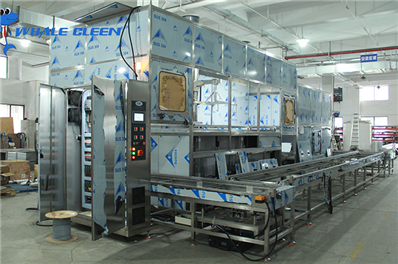 Want to Extend Turbine Disk Service Life? What Are the Key Selection Criteria for Ultrasonic Cleaning Machines?
In an aircraft engine overhaul shop, few components carry more weight—literally and metaphorically—than the turbine disk. Often described as the “backbone” of the engine, the turbine disk is a precision‑engineered component manufactured from nickel‑based
-
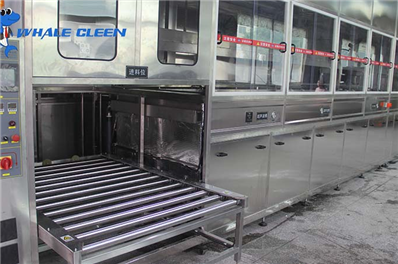 Can One Ultrasonic Cleaning Machine Really Solve Water Stain and Oxidation Problems on Die-Cast Parts?
Walk into any die-casting facility, and you will hear the same frustration from quality control inspectors and production managers alike. Aluminum die-cast parts emerge from the cleaning line looking perfectly clean—only to reveal white spots, cloudy patc
-
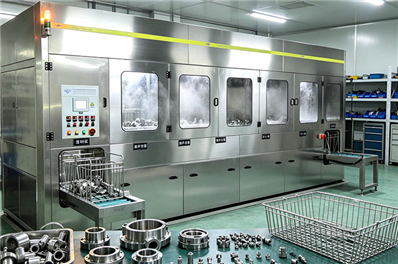 Industrial Ultrasonic Cleaning Machine: The Complete Solution for Manufacturing Precision Parts
In modern manufacturing, surface cleanliness is not merely an aesthetic consideration—it is a critical factor that directly impacts product performance, coating adhesion, and overall production yield. From automotive engine components and transmission par
-
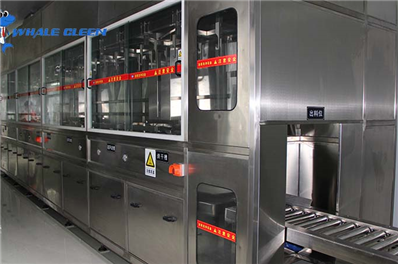 Why Does the Ultrasonic Cleaner Turn Things Black? Unveiling the Causes and Solutions
Discovering black particles floating in the water or a dark film on your items after ultrasonic cleaning can be alarming. Is your jewelry ruined? Is the machine faulty? In most cases, this "blackening" is a normal—even positive—indicator of the
-
 Why Can't Ultrasonic Cleaners Use Thin Steel Sheets? - An Engineering Analysis of Resonance Principles and Material Selection
In the field of industrial manufacturing and equipment material selection, a fundamental principle is: "The right material for the right application." For ultrasonic cleaners, the choice of material for their core working component—the tank that
-
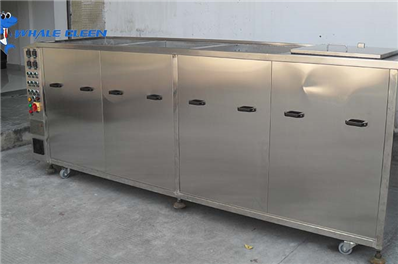 Why Did the Ultrasonic Cleaner Sound Suddenly Become Louder? Causes and Solutions
Ultrasonic cleaners are renowned for their efficiency in cleaning delicate items, from jewelry to medical instruments. However, when the device’s sound suddenly becomes louder than usual, it can be both alarming and indicative of an underlying issue. Unde
-
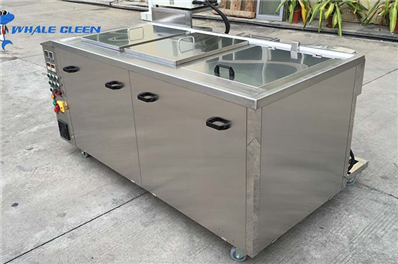 Why Did It Rust After Ultrasonic Cleaning? The Causes and Prevention Guide
You carefully place your metal items into the ultrasonic cleaner, expecting them to come out sparkling clean. Instead, you find unsightly orange or brown spots—rust. It's a frustrating and confusing experience.Why did it rust after ultrasonic cleaning
-
 What Adhesive is Used for Ultrasonic Cleaner Transducers? The Complete Bonding Guide
Ultrasonic cleaner transducers (also called piezoelectric vibrators or "振子" in Chinese) require specialized adhesives to ensure optimal performance an……
-
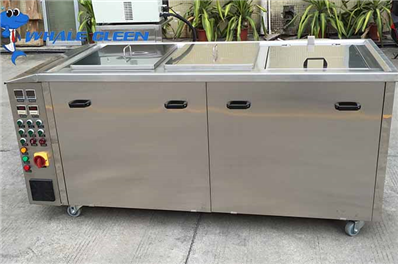 How to Use Ultrasonic Cleaners for Automotive Repair? A Step-by-Step Guide
1. Why Use Ultrasonic Cleaners in Automotive Repair? Ultrasonic cleaning is a game-changer for auto shops and DIY mechanics because: Deep Cleaning: Removes 90%+ of contaminants (oil, carbon, rust) from complex parts like fuel injectors.